
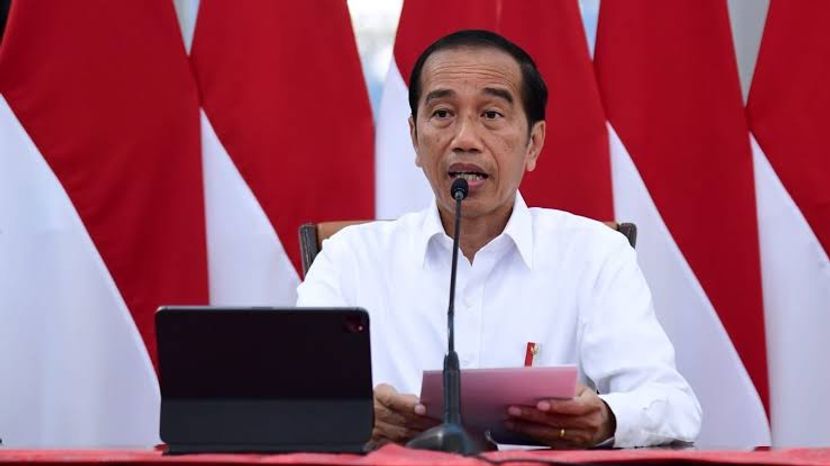
 The Joko Widodo administration has enacted new health regulations, one of which imposes excise tax on processed foods, including ready-to-eat processed foods. The regulation is contained in Article 194 of Government Regulation No. 28 of 2024 concerning the Implementing Regulations of Law No. 17 of 2023 on Health. The central government may determine excise tax on certain processed foods according to legal provisions. Processed foods refer to food or beverages processed by certain methods or means, whether or not additional ingredients are added. Meanwhile, ready-to-eat processed foods refer to food and/or beverages that have been processed and can be provided directly at or outside business premises, such as food services provided in catering, hotels, restaurants, cafeterias, canteens, street vendors, mobile food stalls, and similar businesses. The Director of Communication and Service User Guidance at the Directorate General of Customs and Excise of the Ministry of Finance stated that the provisions in the PP are still only based on recommendations from the Ministry of Health, and DJBC has not yet conducted research on processed goods as new excisable goods (BKC).
Nirwala explained that to become research material for new BKC, it must of course be approved by the House of Representatives Commission and then included in the State Budget Law (UU APBN) in the year of budget implementation. So no research has been conducted yet; what has been researched and proposed as BKC is packaged sweetened beverages, not various junk foods. However, he also reminded that there are at least four criteria for goods on which the government can impose excise tax: consumption needs to be controlled, distribution needs to be monitored, there are negative impacts on the environment and public health, and for justice and balance. As for processed foods, the Ministry of Health defines them in the PP as goods whose content of sugar, salt, and fat (GGL) needs to be limited. To control the consumption of sugar, salt, and fat, the central government sets maximum limits for sugar, salt, and fat content in processed foods, including ready-to-eat processed foods. However, he emphasized again that because excisable goods have tax implications, they must first be discussed with the DPR. Since this is a tax on the community, it must be discussed with the DPR, so there are conditions; even if it meets the BKC criteria, it cannot work without DPR approval.
The Joko Widodo administration has enacted new health regulations, one of which imposes excise tax on processed foods, including ready-to-eat processed foods. The regulation is contained in Article 194 of Government Regulation No. 28 of 2024 concerning the Implementing Regulations of Law No. 17 of 2023 on Health. The central government may determine excise tax on certain processed foods according to legal provisions. Processed foods refer to food or beverages processed by certain methods or means, whether or not additional ingredients are added. Meanwhile, ready-to-eat processed foods refer to food and/or beverages that have been processed and can be provided directly at or outside business premises, such as food services provided in catering, hotels, restaurants, cafeterias, canteens, street vendors, mobile food stalls, and similar businesses. The Director of Communication and Service User Guidance at the Directorate General of Customs and Excise of the Ministry of Finance stated that the provisions in the PP are still only based on recommendations from the Ministry of Health, and DJBC has not yet conducted research on processed goods as new excisable goods (BKC).
Nirwala explained that to become research material for new BKC, it must of course be approved by the House of Representatives Commission and then included in the State Budget Law (UU APBN) in the year of budget implementation. So no research has been conducted yet; what has been researched and proposed as BKC is packaged sweetened beverages, not various junk foods. However, he also reminded that there are at least four criteria for goods on which the government can impose excise tax: consumption needs to be controlled, distribution needs to be monitored, there are negative impacts on the environment and public health, and for justice and balance. As for processed foods, the Ministry of Health defines them in the PP as goods whose content of sugar, salt, and fat (GGL) needs to be limited. To control the consumption of sugar, salt, and fat, the central government sets maximum limits for sugar, salt, and fat content in processed foods, including ready-to-eat processed foods. However, he emphasized again that because excisable goods have tax implications, they must first be discussed with the DPR. Since this is a tax on the community, it must be discussed with the DPR, so there are conditions; even if it meets the BKC criteria, it cannot work without DPR approval.
Indonesian Government Plans to Tax Processed Foods for Health Reasons
www.indoent.com
2024-08-08
The Joko Widodo administration has enacted new health regulations, one of which imposes excise tax on processed foods, including ready-to-eat processed foods. The regulation is contained in Article 194 of Government Regulation No. 28 of 2024 concerning the Implementing Regulations of Law No. 17 of 2023 on Health. The central government may determine excise tax on certain processed foods according to legal provisions. Processed foods refer to food or beverages processed by certain methods or means, whether or not additional ingredients are added. Meanwhile, ready-to-eat processed foods refer to food and/or beverages that have been processed and can be provided directly at or outside business premises, such as food services provided in catering, hotels, restaurants, cafeterias, canteens, street vendors, mobile food stalls, and similar businesses. The Director of Communication and Service User Guidance at the Directorate General of Customs and Excise of the Ministry of Finance stated that the provisions in the PP are still only based on recommendations from the Ministry of Health, and DJBC has not yet conducted research on processed goods as new excisable goods (BKC).
The Joko Widodo administration has enacted new health regulations, one of which imposes excise tax on processed foods, including ready-to-eat processed foods. The regulation is contained in Article 194 of Government Regulation No. 28 of 2024 concerning the Implementing Regulations of Law No. 17 of 2023 on Health. The central government may determine excise tax on certain processed foods according to legal provisions. Processed foods refer to food or beverages processed by certain methods or means, whether or not additional ingredients are added. Meanwhile, ready-to-eat processed foods refer to food and/or beverages that have been processed and can be provided directly at or outside business premises, such as food services provided in catering, hotels, restaurants, cafeterias, canteens, street vendors, mobile food stalls, and similar businesses. The Director of Communication and Service User Guidance at the Directorate General of Customs and Excise of the Ministry of Finance stated that the provisions in the PP are still only based on recommendations from the Ministry of Health, and DJBC has not yet conducted research on processed goods as new excisable goods (BKC).
Nirwala explained that to become research material for new BKC, it must of course be approved by the House of Representatives Commission and then included in the State Budget Law (UU APBN) in the year of budget implementation. So no research has been conducted yet; what has been researched and proposed as BKC is packaged sweetened beverages, not various junk foods. However, he also reminded that there are at least four criteria for goods on which the government can impose excise tax: consumption needs to be controlled, distribution needs to be monitored, there are negative impacts on the environment and public health, and for justice and balance. As for processed foods, the Ministry of Health defines them in the PP as goods whose content of sugar, salt, and fat (GGL) needs to be limited. To control the consumption of sugar, salt, and fat, the central government sets maximum limits for sugar, salt, and fat content in processed foods, including ready-to-eat processed foods. However, he emphasized again that because excisable goods have tax implications, they must first be discussed with the DPR. Since this is a tax on the community, it must be discussed with the DPR, so there are conditions; even if it meets the BKC criteria, it cannot work without DPR approval.
Tags
Industry News
Share to
Related Reading
 Industry Flash
Cheap Chinese Plastics Impact Indonesia's Petrochemical Industry, Association Calls for Protection
2026-09-03 Industry News
Investment Heat in Two Key Industrial Parks in Central Java Continues to Rise
2026-08-31 Industry News