
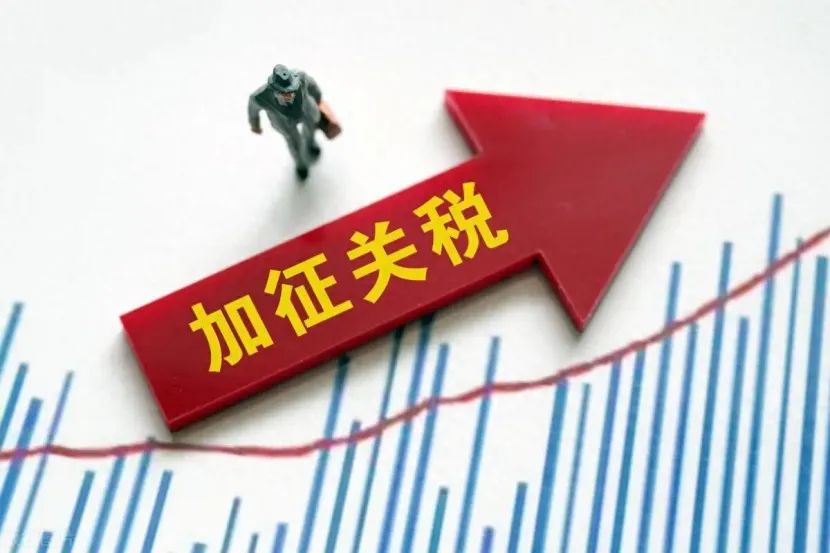
 On September 13, the Office of the United States Trade Representative issued a final decision on the Section 301 tariff hikes on Chinese goods, continuing to impose tariffs on Chinese products. This has drawn high attention from Chinese industries, including:
• 100% tariff on imported Chinese electric vehicles
• 50% tariff on solar cells
• 25% tariff on steel, aluminum, electric vehicle batteries, and critical minerals
The above will take effect on September 27;
• 50% increase in import tariffs on Chinese semiconductors
Will take effect in January 2025.
Faced with increasingly aggressive US trade protectionist policies, what should Chinese manufacturing factories do? The only option is to go overseas and set up production and assembly bases abroad to bypass Uncle Sam's trade barriers. Southeast Asia happens to be the first stop for Chinese enterprises going global. Compared to other emerging markets such as Central Asia, India, South America, and Africa, Southeast Asia is geographically and politically closer to China, with more controllable costs and risks. Among the 10 countries in Southeast Asia, Indonesia, with its stable governance, sustained economic growth of 5% annually over the past 20 years, neutral policy stance between China and the US, and the market of the world's fourth most populous country, is increasingly favored by manufacturing factories.
Over the past five years, China's industrial sectors including steel, aluminum, battery factories, electric vehicle factories, as well as consumer goods such as furniture, luggage, shoes, and toys, have often adopted a model of Chinese semi-finished products plus local assembly in Indonesia, opening up new channels for China's supply chain to go global. In the past decade, many industrial parks with Chinese investment have also been established in Indonesia, such as Tsingshan Industrial Park, China-Indonesia Economic and Trade Cooperation Zone, China Fortune Land Development Industrial Park, Maxindo Industrial Park, Yifang Park, Vip Industrial Park, and XSZ Industrial Park, providing one-stop services for Chinese factories to set up operations in Indonesia.
Therefore, against the backdrop of escalating trade tensions between China and the US and the strengthening of US trade protectionist policies, Indonesia will become an important link in the global industrial chain layout of Chinese factories. That's all. I'm Mr. Wang, with 20 years of experience in Indonesia, helping Chinese factories establish operations in Indonesia.
On September 13, the Office of the United States Trade Representative issued a final decision on the Section 301 tariff hikes on Chinese goods, continuing to impose tariffs on Chinese products. This has drawn high attention from Chinese industries, including:
• 100% tariff on imported Chinese electric vehicles
• 50% tariff on solar cells
• 25% tariff on steel, aluminum, electric vehicle batteries, and critical minerals
The above will take effect on September 27;
• 50% increase in import tariffs on Chinese semiconductors
Will take effect in January 2025.
Faced with increasingly aggressive US trade protectionist policies, what should Chinese manufacturing factories do? The only option is to go overseas and set up production and assembly bases abroad to bypass Uncle Sam's trade barriers. Southeast Asia happens to be the first stop for Chinese enterprises going global. Compared to other emerging markets such as Central Asia, India, South America, and Africa, Southeast Asia is geographically and politically closer to China, with more controllable costs and risks. Among the 10 countries in Southeast Asia, Indonesia, with its stable governance, sustained economic growth of 5% annually over the past 20 years, neutral policy stance between China and the US, and the market of the world's fourth most populous country, is increasingly favored by manufacturing factories.
Over the past five years, China's industrial sectors including steel, aluminum, battery factories, electric vehicle factories, as well as consumer goods such as furniture, luggage, shoes, and toys, have often adopted a model of Chinese semi-finished products plus local assembly in Indonesia, opening up new channels for China's supply chain to go global. In the past decade, many industrial parks with Chinese investment have also been established in Indonesia, such as Tsingshan Industrial Park, China-Indonesia Economic and Trade Cooperation Zone, China Fortune Land Development Industrial Park, Maxindo Industrial Park, Yifang Park, Vip Industrial Park, and XSZ Industrial Park, providing one-stop services for Chinese factories to set up operations in Indonesia.
Therefore, against the backdrop of escalating trade tensions between China and the US and the strengthening of US trade protectionist policies, Indonesia will become an important link in the global industrial chain layout of Chinese factories. That's all. I'm Mr. Wang, with 20 years of experience in Indonesia, helping Chinese factories establish operations in Indonesia.
Zhang Gui Says: US Tariff Hikes Drive Manufacturing Overseas to Southeast Asia for Breakthroughs
www.indoent.com
2024-09-17
On September 13, the Office of the United States Trade Representative issued a final decision on the Section 301 tariff hikes on Chinese goods, continuing to impose tariffs on Chinese products. This has drawn high attention from Chinese industries, including: • 100% tariff on imported Chinese electric vehicles • 50% tariff on solar cells • 25% tariff on steel, aluminum, electric vehicle batteries, and critical minerals The above will take effect on September 27; • 50% increase in import tariffs on Chinese semiconductors
On September 13, the Office of the United States Trade Representative issued a final decision on the Section 301 tariff hikes on Chinese goods, continuing to impose tariffs on Chinese products. This has drawn high attention from Chinese industries, including:
• 100% tariff on imported Chinese electric vehicles
• 50% tariff on solar cells
• 25% tariff on steel, aluminum, electric vehicle batteries, and critical minerals
The above will take effect on September 27;
• 50% increase in import tariffs on Chinese semiconductors
Will take effect in January 2025.
Faced with increasingly aggressive US trade protectionist policies, what should Chinese manufacturing factories do? The only option is to go overseas and set up production and assembly bases abroad to bypass Uncle Sam's trade barriers. Southeast Asia happens to be the first stop for Chinese enterprises going global. Compared to other emerging markets such as Central Asia, India, South America, and Africa, Southeast Asia is geographically and politically closer to China, with more controllable costs and risks. Among the 10 countries in Southeast Asia, Indonesia, with its stable governance, sustained economic growth of 5% annually over the past 20 years, neutral policy stance between China and the US, and the market of the world's fourth most populous country, is increasingly favored by manufacturing factories.
Over the past five years, China's industrial sectors including steel, aluminum, battery factories, electric vehicle factories, as well as consumer goods such as furniture, luggage, shoes, and toys, have often adopted a model of Chinese semi-finished products plus local assembly in Indonesia, opening up new channels for China's supply chain to go global. In the past decade, many industrial parks with Chinese investment have also been established in Indonesia, such as Tsingshan Industrial Park, China-Indonesia Economic and Trade Cooperation Zone, China Fortune Land Development Industrial Park, Maxindo Industrial Park, Yifang Park, Vip Industrial Park, and XSZ Industrial Park, providing one-stop services for Chinese factories to set up operations in Indonesia.
Therefore, against the backdrop of escalating trade tensions between China and the US and the strengthening of US trade protectionist policies, Indonesia will become an important link in the global industrial chain layout of Chinese factories. That's all. I'm Mr. Wang, with 20 years of experience in Indonesia, helping Chinese factories establish operations in Indonesia.
Tags
Industry News
Share to
Related Reading
 Industry Flash
Cheap Chinese Plastics Impact Indonesia's Petrochemical Industry, Association Calls for Protection
2026-09-03 Industry News
Investment Heat in Two Key Industrial Parks in Central Java Continues to Rise
2026-08-31 Industry News