
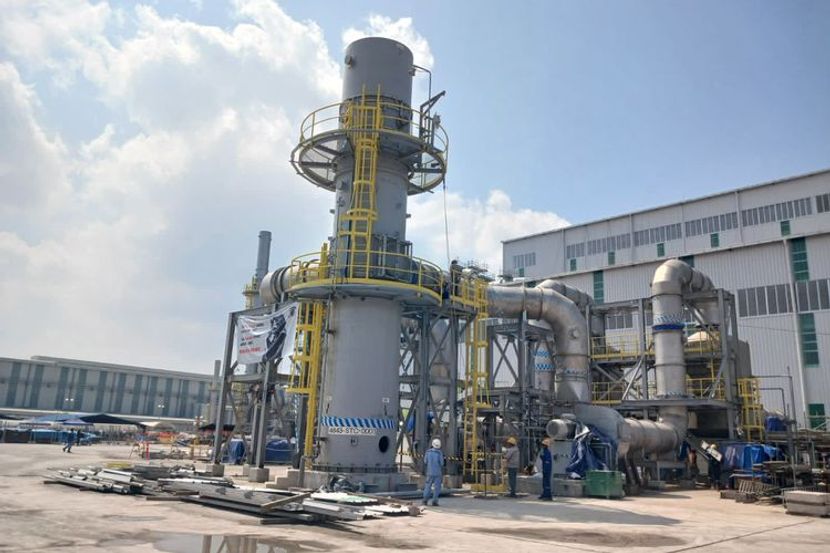
Indonesia continues to optimize its natural resource potential through the mineral industry downstreaming program. As of 2024, the program has had a significant impact on building a value-added economy, focusing on commodities such as copper, bauxite, and silica sand. The mineral downstreaming was initially achieved by constructing copper and bauxite smelters and developing silica sand raw material products. Mineral downstreaming has enabled Indonesia to no longer just export raw materials, but to start producing high-value-added products domestically, such as copper cathodes, alumina, silica sand-based products, etc., becoming an important way to achieve national economic independence. PT Freeport Indonesia has started shipping copper concentrate to specific facilities. Mineral downstreaming has shown initial results in some regions, increasing regional GDP and local revenue, and creating a large number of jobs. However, mineral downstreaming also faces challenges such as limited infrastructure and technology, lack of skilled labor, fluctuating market demand, and negative environmental impacts. The government needs to adopt strategic measures including developing human resources, R&D technology, applying environmentally friendly technologies, product diversification, and strengthening international cooperation.


