
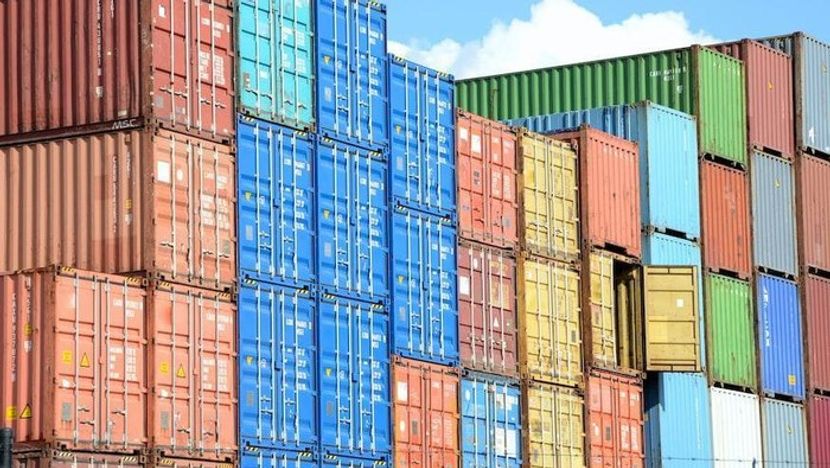
 In January 2025, Indonesia's trade surplus reached US$3.45 billion, marking 57 consecutive months of surplus since May 2020. The Head of the Fiscal Policy Agency at the Ministry of Finance stated that the trade surplus at the start of 2025 was higher than the previous month (December 2024) and also higher than the same period last year. The surplus benefited from increased product added value and trade diversification. By sector, processing industries, agriculture, and plantations contributed more to the trade balance. In January, Indonesia's exports totaled US$21.45 billion, up 4.68% year-on-year, with growth in non-oil and gas exports. Exports from the agriculture and processing industry sectors grew by 45.46% and 14.02% respectively, but exports of palm oil, coal, and steel contracted. China remains Indonesia's main non-oil and gas export market, accounting for 22.40%, followed by the United States and India. In January, Indonesia's imports totaled US$18.0 billion, down 2.67% year-on-year, with both oil and gas and non-oil and gas imports declining. By end-use, capital goods imports increased, while consumer goods and raw material imports decreased. China still dominates in imports, accounting for 40.86%, followed by Japan and the United States. The government will continue to monitor the impact of the global economic slowdown on exports and take measures to promote further processing of natural resources, among other actions.
China Remains Indonesia's Main Non-Oil and Gas Export Market
www.indoent.com
2025-02-25
In January 2025, Indonesia's trade surplus reached US$3.45 billion, marking 57 consecutive months of surplus since May 2020. The Head of the Fiscal Policy Agency at the Ministry of Finance stated that the trade surplus at the start of 2025 was higher than the previous month (December 2024) and also higher than the same period last year. The surplus benefited from increased product added value and trade diversification. By sector, processing industries, agriculture, and plantations contributed more to the trade balance. In January, Indonesia's exports totaled US$21.45 billion, up 4.68% year-on-year, with growth in non-oil and gas exports. Exports from the agriculture and processing industry sectors grew by 4
In January 2025, Indonesia's trade surplus reached US$3.45 billion, marking 57 consecutive months of surplus since May 2020. The Head of the Fiscal Policy Agency at the Ministry of Finance stated that the trade surplus at the start of 2025 was higher than the previous month (December 2024) and also higher than the same period last year. The surplus benefited from increased product added value and trade diversification. By sector, processing industries, agriculture, and plantations contributed more to the trade balance. In January, Indonesia's exports totaled US$21.45 billion, up 4.68% year-on-year, with growth in non-oil and gas exports. Exports from the agriculture and processing industry sectors grew by 45.46% and 14.02% respectively, but exports of palm oil, coal, and steel contracted. China remains Indonesia's main non-oil and gas export market, accounting for 22.40%, followed by the United States and India. In January, Indonesia's imports totaled US$18.0 billion, down 2.67% year-on-year, with both oil and gas and non-oil and gas imports declining. By end-use, capital goods imports increased, while consumer goods and raw material imports decreased. China still dominates in imports, accounting for 40.86%, followed by Japan and the United States. The government will continue to monitor the impact of the global economic slowdown on exports and take measures to promote further processing of natural resources, among other actions.
Tags
Industry News
Share to
Related Reading
 Industry Flash
Cheap Chinese Plastics Impact Indonesia's Petrochemical Industry, Association Calls for Protection
2026-09-03 Industry News
Investment Heat in Two Key Industrial Parks in Central Java Continues to Rise
2026-08-31 Industry News