
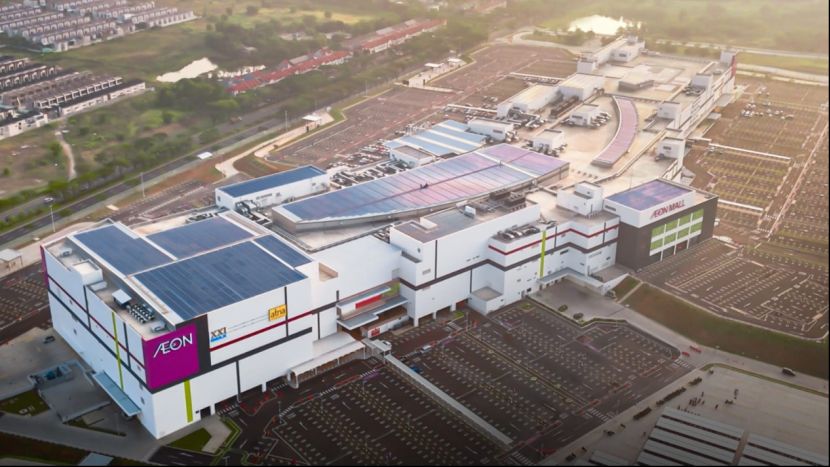
 SUN Energy is using its Energy as a Solution model to help Indonesia build green industrial parks, driving industrial parks and their tenants to reduce emissions, improve efficiency, and meet global ESG standards. This model goes beyond simply supplying solar energy, constructing a complete new energy ecosystem covering photovoltaics, energy storage, energy management, and vehicle electrification, providing a systematic low-carbon foundation for industrial parks.
Currently, SUN Energy has installed photovoltaic power stations in three major industrial zones in Indonesia—Karawang International Industrial City (KIIC), Greenland International Industrial Center (GIIC), and Jababeka Industrial Estate—with projects across more than 20 locations and a total installed capacity of tens of megawatts. As industrial parks are major energy consumers in manufacturing, promoting clean energy is crucial for national decarbonization and aligns with Indonesia's net-zero emission target by 2060.
Its solutions specifically include four major areas: commercial and industrial rooftop photovoltaics, electric vehicle fleets and charging infrastructure, energy storage and optimization systems, and energy monitoring smart platforms, which can help industrial parks reduce electricity costs in the long term, significantly reduce operational emissions, and enhance ESG value and international competitiveness.
Among them, Jababeka Industrial Estate is a typical demonstration project where SUN Energy has built a 1.8 MW photovoltaic system serving enterprises in building materials, automotive parts, pharmaceuticals, testing laboratories, packaging, and other sectors, and is considered a benchmark for low-carbon industrial parks in Indonesia.
Data from the Global Center for Sustainable Development shows that 21 industrial parks in Indonesia are using or planning to use photovoltaics as a clean energy strategy. The CEO of SUN Mobility stated that electrification of logistics and operational vehicles is also a key part of industrial park decarbonization, and the company is further improving the overall solution through an electric mobility ecosystem.
The CEO of SUN Energy emphasized that building green industrial parks is no longer an option but a necessity for Indonesian industrial zones to maintain global competitiveness. The company will continue to act as an energy transition partner with integrated, implementable solutions, helping Indonesia achieve its net-zero emission target by 2060.
SUN Energy is using its Energy as a Solution model to help Indonesia build green industrial parks, driving industrial parks and their tenants to reduce emissions, improve efficiency, and meet global ESG standards. This model goes beyond simply supplying solar energy, constructing a complete new energy ecosystem covering photovoltaics, energy storage, energy management, and vehicle electrification, providing a systematic low-carbon foundation for industrial parks.
Currently, SUN Energy has installed photovoltaic power stations in three major industrial zones in Indonesia—Karawang International Industrial City (KIIC), Greenland International Industrial Center (GIIC), and Jababeka Industrial Estate—with projects across more than 20 locations and a total installed capacity of tens of megawatts. As industrial parks are major energy consumers in manufacturing, promoting clean energy is crucial for national decarbonization and aligns with Indonesia's net-zero emission target by 2060.
Its solutions specifically include four major areas: commercial and industrial rooftop photovoltaics, electric vehicle fleets and charging infrastructure, energy storage and optimization systems, and energy monitoring smart platforms, which can help industrial parks reduce electricity costs in the long term, significantly reduce operational emissions, and enhance ESG value and international competitiveness.
Among them, Jababeka Industrial Estate is a typical demonstration project where SUN Energy has built a 1.8 MW photovoltaic system serving enterprises in building materials, automotive parts, pharmaceuticals, testing laboratories, packaging, and other sectors, and is considered a benchmark for low-carbon industrial parks in Indonesia.
Data from the Global Center for Sustainable Development shows that 21 industrial parks in Indonesia are using or planning to use photovoltaics as a clean energy strategy. The CEO of SUN Mobility stated that electrification of logistics and operational vehicles is also a key part of industrial park decarbonization, and the company is further improving the overall solution through an electric mobility ecosystem.
The CEO of SUN Energy emphasized that building green industrial parks is no longer an option but a necessity for Indonesian industrial zones to maintain global competitiveness. The company will continue to act as an energy transition partner with integrated, implementable solutions, helping Indonesia achieve its net-zero emission target by 2060.
Indonesia Builds Multiple Green Eco-Industrial Parks
www.indoent.com
2026-02-24
SUN Energy, using its Energy as a Solution model, is helping Indonesia build green industrial parks, driving industrial parks and their tenants to reduce emissions, improve efficiency, and meet global ESG standards. This model goes beyond simply supplying solar energy, constructing a complete new energy ecosystem covering photovoltaics, energy storage, energy management, and vehicle electrification, providing a systematic low-carbon foundation for industrial parks. Currently, SUN Energy has installed photovoltaic power stations in three major industrial zones in Indonesia—Karawang International Industrial City (
SUN Energy is using its Energy as a Solution model to help Indonesia build green industrial parks, driving industrial parks and their tenants to reduce emissions, improve efficiency, and meet global ESG standards. This model goes beyond simply supplying solar energy, constructing a complete new energy ecosystem covering photovoltaics, energy storage, energy management, and vehicle electrification, providing a systematic low-carbon foundation for industrial parks.
Currently, SUN Energy has installed photovoltaic power stations in three major industrial zones in Indonesia—Karawang International Industrial City (KIIC), Greenland International Industrial Center (GIIC), and Jababeka Industrial Estate—with projects across more than 20 locations and a total installed capacity of tens of megawatts. As industrial parks are major energy consumers in manufacturing, promoting clean energy is crucial for national decarbonization and aligns with Indonesia's net-zero emission target by 2060.
Its solutions specifically include four major areas: commercial and industrial rooftop photovoltaics, electric vehicle fleets and charging infrastructure, energy storage and optimization systems, and energy monitoring smart platforms, which can help industrial parks reduce electricity costs in the long term, significantly reduce operational emissions, and enhance ESG value and international competitiveness.
Among them, Jababeka Industrial Estate is a typical demonstration project where SUN Energy has built a 1.8 MW photovoltaic system serving enterprises in building materials, automotive parts, pharmaceuticals, testing laboratories, packaging, and other sectors, and is considered a benchmark for low-carbon industrial parks in Indonesia.
Data from the Global Center for Sustainable Development shows that 21 industrial parks in Indonesia are using or planning to use photovoltaics as a clean energy strategy. The CEO of SUN Mobility stated that electrification of logistics and operational vehicles is also a key part of industrial park decarbonization, and the company is further improving the overall solution through an electric mobility ecosystem.
The CEO of SUN Energy emphasized that building green industrial parks is no longer an option but a necessity for Indonesian industrial zones to maintain global competitiveness. The company will continue to act as an energy transition partner with integrated, implementable solutions, helping Indonesia achieve its net-zero emission target by 2060.
Tags
Social Trends
Share to


