
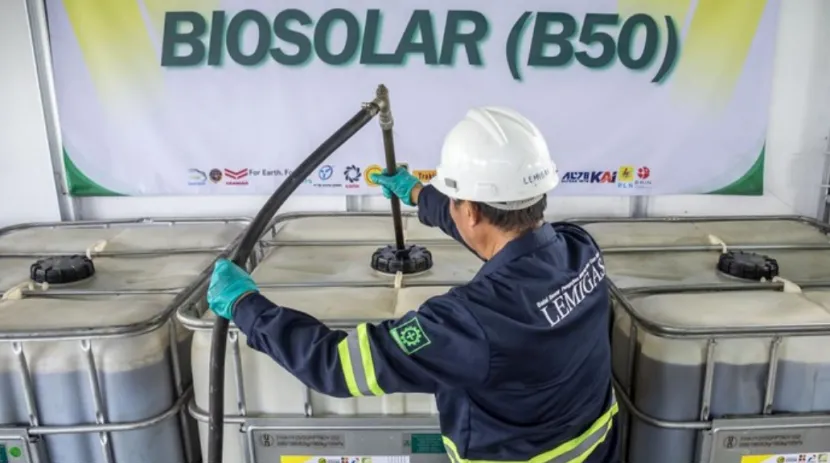
 rnrnThe Indonesian Ministry of Energy and Mineral Resources announced that the new B50 biodiesel policy, containing 50% palm oil, will be fully implemented on July 1, 2026. This policy brings multiple benefits, including saving foreign exchange, supporting the palm oil industry, expanding employment, reducing emissions and environmental protection, and enhancing national energy security, with official estimates showing considerable economic and social benefits. In a recent activity of the Jakarta government communication agency, a spokesperson from the Ministry of Energy stated that in 2025, Indonesia only implemented the B40 biodiesel policy with 40% palm oil blending, saving 133 trillion IDR in foreign exchange for the year; after upgrading to the B50 standard, in 2026, it is expected to save 157.28 trillion IDR in foreign exchange, significantly reducing the pressure on foreign exchange expenditure caused by diesel fossil fuel imports. rnrnThe policy will significantly increase the income of local palm oil smallholders. In 2025, the B40 policy drove an increase in the value of the crude palm oil (CPO) industry of 20.9 trillion IDR. After the implementation of B50 in 2026, the value added to the palm oil supply chain is expected to increase to 24.68 trillion IDR, directly benefiting a large number of palm oil practitioners. At the same time, the expansion of the industry will create a large number of jobs, estimated to absorb 2.2 million workers, alleviating rural employment pressure. In terms of environmental protection, the full use of B50 biodiesel is expected to reduce carbon emissions by 46.72 million tons annually, helping Indonesia fulfill its green development commitments and contributing to global ecological sustainable development. rnrnThe implementation of B50 is also a core measure for Indonesia to reduce dependence on fossil energy imports and achieve energy self-sufficiency. Long-term heavy dependence on diesel imports makes the domestic economy highly vulnerable to fluctuations in international oil prices and geopolitical situations, aligning with the president's proposed energy independence development plan. Indonesia plans to gradually reduce the scale of gasoline and diesel imports, and B50 biodiesel is a key lever to reduce and even stop diesel imports, leveraging the country's abundant palm oil resources to replace imported fossil energy, building a stable and self-sufficient domestic energy supply system, and comprehensively strengthening national energy resilience.
Indonesia to Fully Implement B50 Biodiesel on July 1, 2026
www.indoent.com
2026-06-22
rnrnThe Indonesian Ministry of Energy and Mineral Resources announced that the new B50 biodiesel policy, containing 50% palm oil, will be fully implemented on July 1, 2026. This policy brings multiple benefits, including saving foreign exchange, supporting the palm oil industry, expanding employment, reducing emissions and environmental protection, and enhancing national energy security. Official estimates show considerable economic and social benefits. In a recent activity of the Jakarta government communication agency, a spokesperson from the Ministry of Energy stated that in 2025, Indonesia only implemented the B40 biodiesel policy with 40% palm oil blending, saving foreign exchange of 133 trillion IDR for the year; after upgrading to the B50 standard, in 2026
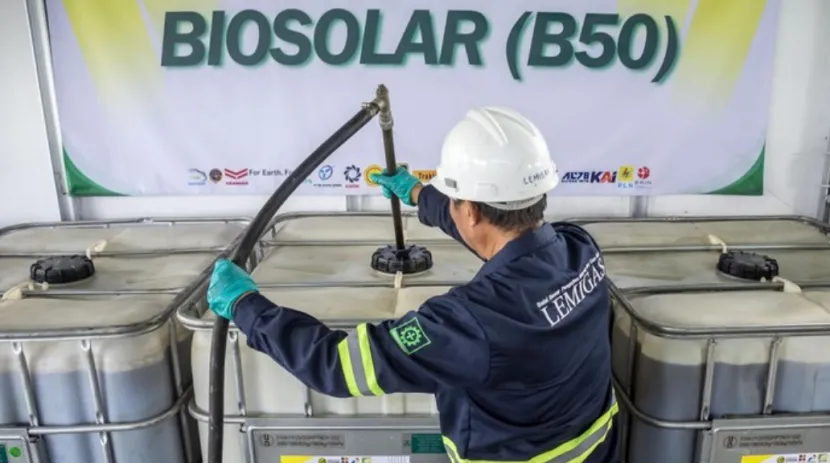
rnrnThe Indonesian Ministry of Energy and Mineral Resources announced that the new B50 biodiesel policy, containing 50% palm oil, will be fully implemented on July 1, 2026. This policy brings multiple benefits, including saving foreign exchange, supporting the palm oil industry, expanding employment, reducing emissions and environmental protection, and enhancing national energy security, with official estimates showing considerable economic and social benefits. In a recent activity of the Jakarta government communication agency, a spokesperson from the Ministry of Energy stated that in 2025, Indonesia only implemented the B40 biodiesel policy with 40% palm oil blending, saving 133 trillion IDR in foreign exchange for the year; after upgrading to the B50 standard, in 2026, it is expected to save 157.28 trillion IDR in foreign exchange, significantly reducing the pressure on foreign exchange expenditure caused by diesel fossil fuel imports. rnrnThe policy will significantly increase the income of local palm oil smallholders. In 2025, the B40 policy drove an increase in the value of the crude palm oil (CPO) industry of 20.9 trillion IDR. After the implementation of B50 in 2026, the value added to the palm oil supply chain is expected to increase to 24.68 trillion IDR, directly benefiting a large number of palm oil practitioners. At the same time, the expansion of the industry will create a large number of jobs, estimated to absorb 2.2 million workers, alleviating rural employment pressure. In terms of environmental protection, the full use of B50 biodiesel is expected to reduce carbon emissions by 46.72 million tons annually, helping Indonesia fulfill its green development commitments and contributing to global ecological sustainable development. rnrnThe implementation of B50 is also a core measure for Indonesia to reduce dependence on fossil energy imports and achieve energy self-sufficiency. Long-term heavy dependence on diesel imports makes the domestic economy highly vulnerable to fluctuations in international oil prices and geopolitical situations, aligning with the president's proposed energy independence development plan. Indonesia plans to gradually reduce the scale of gasoline and diesel imports, and B50 biodiesel is a key lever to reduce and even stop diesel imports, leveraging the country's abundant palm oil resources to replace imported fossil energy, building a stable and self-sufficient domestic energy supply system, and comprehensively strengthening national energy resilience.
Tags
Social Updates
Share to


