
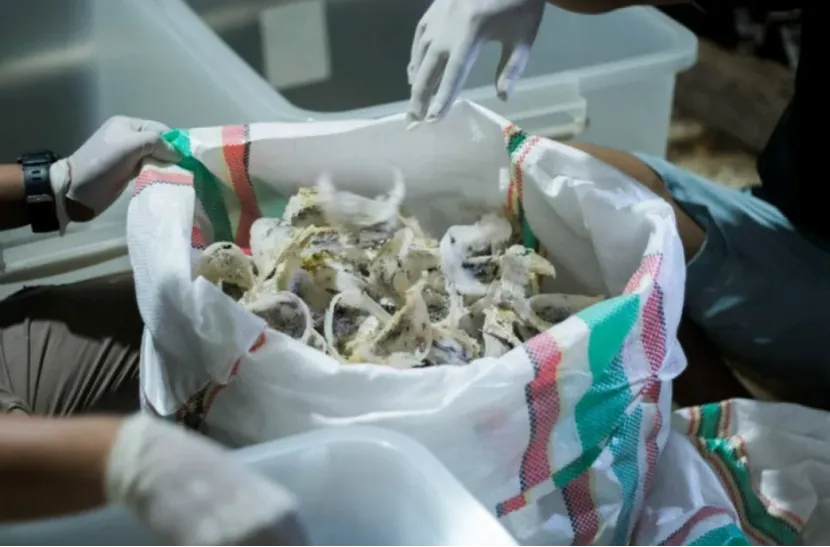
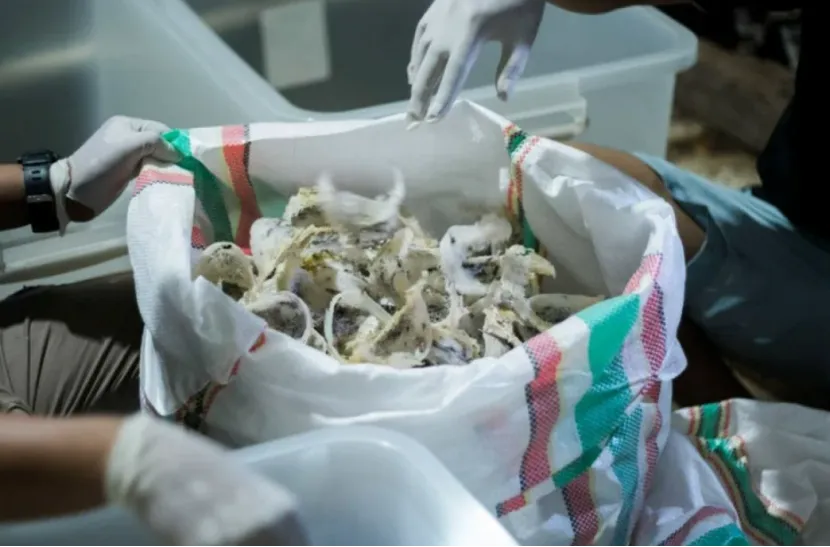
The General Administration of Customs of China (GACC) recently implemented import restriction measures, temporarily banning 19 Indonesian bird’s nest companies from exporting to China. The Indonesian Agricultural Quarantine Agency (Barantin) confirmed that the core reason for the restrictions is excessive aluminum content in the bird’s nest products of the involved companies, failing to meet China’s import food safety standards. This ban does not target all Indonesian bird’s nest exporters. Among the approximately 50 Indonesian companies qualified for export to China, most can still conduct export business normally.
China is the core overseas market for Indonesia’s bird’s nest industry, accounting for over 70% of global bird’s nest consumption and playing a vital role in Indonesia’s export industry. In 2025, Indonesia’s total bird’s nest exports reached 1,271 tons, with exports to China being a core pillar of industry revenue. This export restriction directly impacts Indonesia’s bird’s nest supply chain and has led to a clear divergence in the fortunes of two major listed bird’s nest companies on the Indonesian capital market: Esta Indonesia (NEST) and Abadi Lestari Indonesia (RLCO). NEST was included in the restricted export list, directly affecting its operations. The company has a huge export volume to China, shipping 502.471 kg of bird’s nest to China in 2025, while also covering markets such as Hong Kong (China) and Vietnam, making it a core revenue source. As of now, the company has not yet publicly responded to the restriction. In terms of business layout, NEST focuses on midstream processing and export of bird’s nest while also investing in upstream breeding bases. It has built six IoT-enabled smart breeding bases in Poso City, Central Sulawesi Province, which monitor temperature, humidity, bird’s nest population, and security status in real time to ensure raw material quality. In addition, NEST continues to improve its industrial chain by establishing a subsidiary factory in Demak City, Central Java Province, with plans to increase annual production capacity by 200%, focusing on high-end bird’s nest products. Currently, all of the company’s products are deep-processed finished goods, aligning with Indonesia’s downstream industry upgrade policies. It is actively expanding into 7 overseas markets and connecting with international buyers to mitigate single-market risks through diversification. In the future, it also plans to launch instant bird’s nest products to further enhance product added value. In contrast, RLCO has not been affected by the ban so far. The company’s GACC export qualifications and annual export quota (20,685 kg) remain valid, and its export business is running smoothly. In 2025, over 84% of RLCO’s revenue came from overseas markets, with total revenue reaching 530.52 billion rupiah, of which Chinese customers contributed 72% of sales, indicating a highly concentrated market. To avoid policy risks, RLCO continuously monitors China’s import policy changes, liaises with relevant regulatory authorities, and has initiated diversified overseas market expansion to reduce its dependence on a single market, ensuring long-term business stability.


