Jakarta Land Prices Continue to Rise
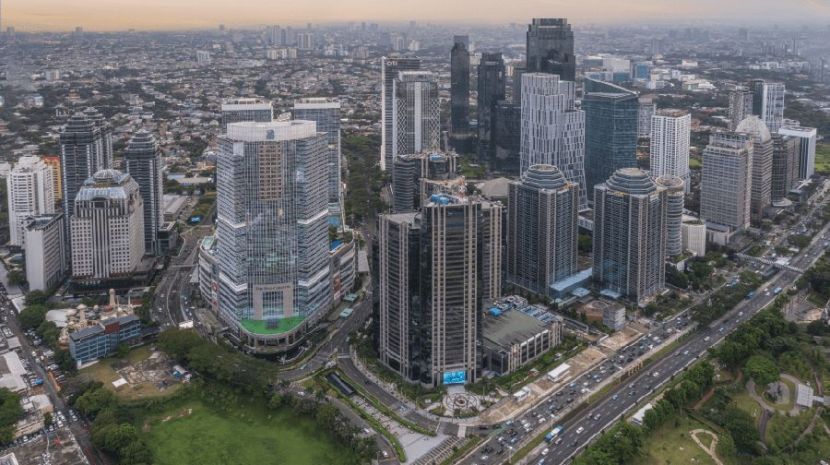
Jakarta land prices hit new highs, with the SCBD area surpassing Menteng and Sudirman. Land prices in the Jakarta Special Capital Region, especially in urban and commercial areas, continue to rise, with some land now reaching hundreds of billions of rupiah per square meter. SCBD (Sudirman Central Business District) approximately 20-30 billion rupiah per square meter (estimated, may change after transaction); Sudirman area approximately 18-20 billion rupiah per square meter; Menteng approximately 7-10 billion rupiah per square meter (due to proximity to business districts); Pondok Indah (high-end residential area) approximately 4-6 billion rupiah per square meter. The closer to the city center, the higher the land value, with the Sudirman Central Business District (SCBD) currently being the area with the highest land value in Jakarta.
Indonesia to Increase Imports of US Oil and Agricultural Products
China-Indonesia 'Two Countries, Twin Parks' Focuses on Multi-Field Cooperation
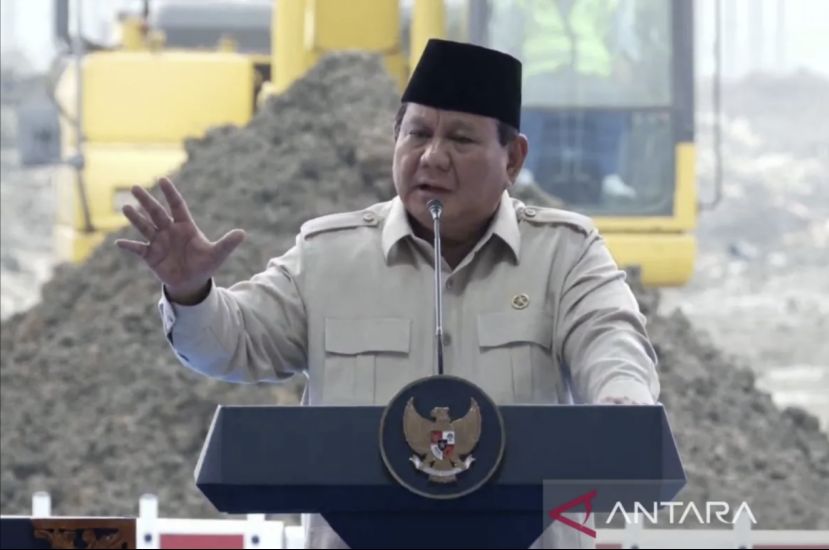
Prabowo attends groundbreaking of CATL automotive battery project
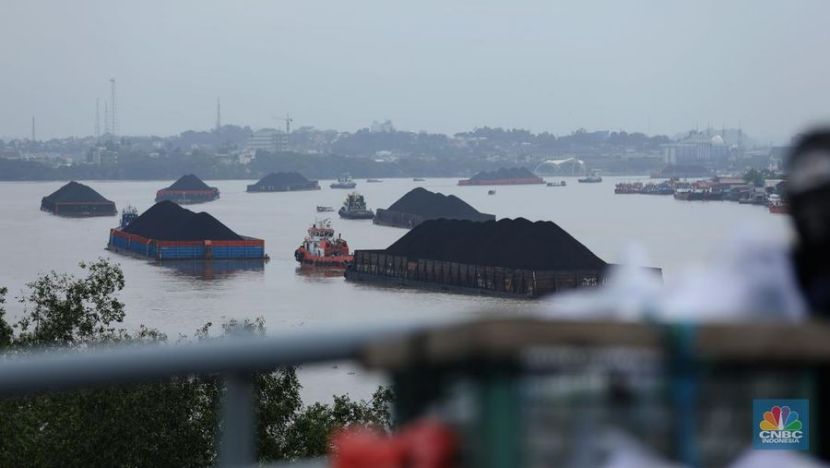
Indonesia's Coal Exports to China and India Decline
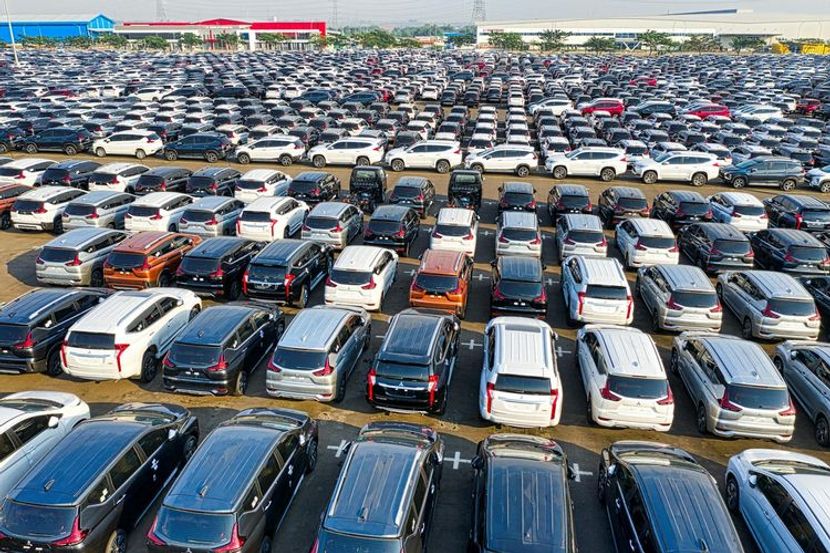
Indonesian Government Predicts Car Sales of Only 832,000 Units This Year
The Deputy Director for Infrastructure and Regional Development Coordination predicts that car sales in Indonesia in 2025 will only reach 832,000 units, below the target of 900,000 units set by the Indonesian Automotive Industry Association. This figure is based on historical sales trends for four-wheeled vehicles and above over the first five months of the past two years, combined with seasonal industry factors. Despite the overall weak automotive market, electric vehicles are showing growth. It is projected that sales of Battery Electric Vehicles (BEV) will surge from 43,000 units in 2024 to 126,000 units in 2025, while Hybrid Electric Vehicles (HEV) will increase from 57,000 to 71,000 units, with traditional internal combustion
Indonesia Conditionally Approves TikTok's Acquisition of Tokopedia
Indonesia's Business Competition Supervisory Commission (KPPU) has conditionally approved the acquisition of shares in PT Tokopedia by TikTok Nusantara Pte Ltd. Earlier speculation suggested the acquisition might trigger monopolistic behavior, and KPPU investigators had reported that the transaction could lead to monopoly or unfair business competition. Conditions imposed by KPPU include ensuring payment methods and logistics choices remain open and not tied to various promotions or discounts; prohibiting abuse of market dominance, including predatory pricing
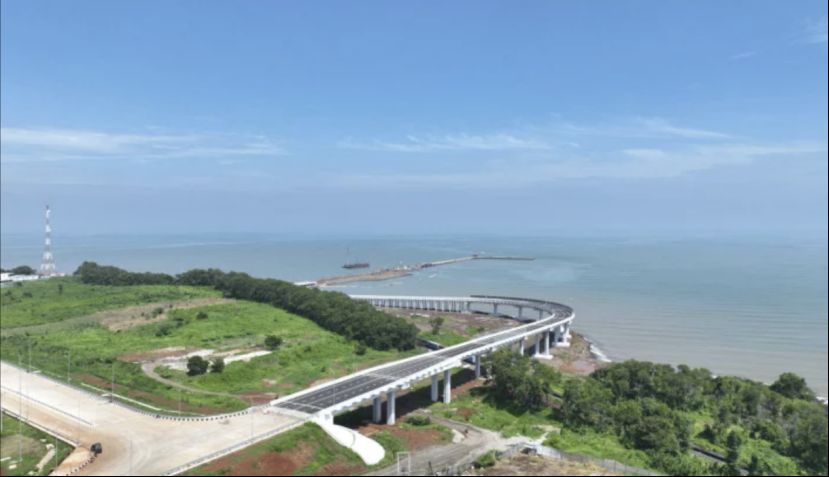
Three Key Industrial Parks under the Two-Country Twin-Park Scheme
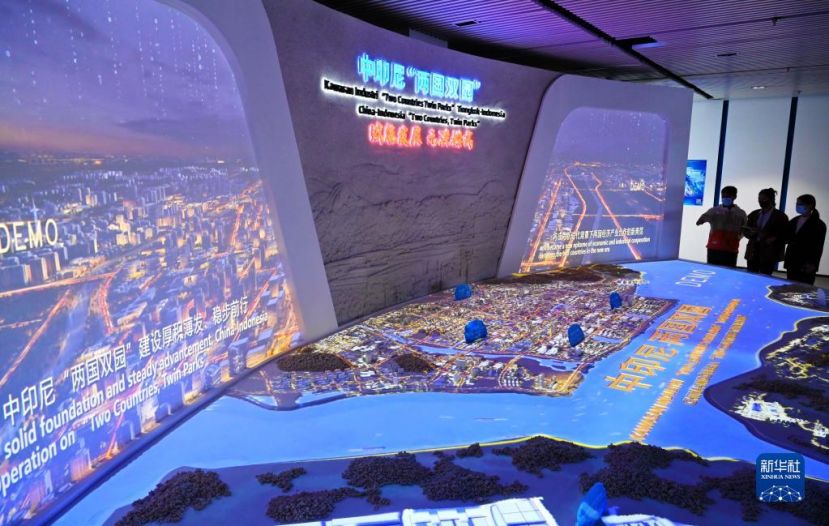
Indonesia's Coordinating Ministry for Economic Affairs has driven the signing of two strategic memorandums of understanding with China, focusing on strengthening industrial and supply chain cooperation and the implementation of the Two-Country Twin-Park project. This cooperation was reached during the Chinese Premier's visit to Indonesia. The key parks include the Batang Integrated Industrial Estate: covering approximately 500 hectares, aiming to become the "Indonesian version of Shenzhen" by drawing on the Shenzhen industrial zone development model. The Bintan Industrial Estate: located in the Riau Islands, planned to benchmark against Fujian Province's industrial zones for industrial synergy. A third unnamed park completes the total of three industrial zones included in the cooperation framework. This project is expected to attract foreign investment, with initial development investment in the Batang park estimated at
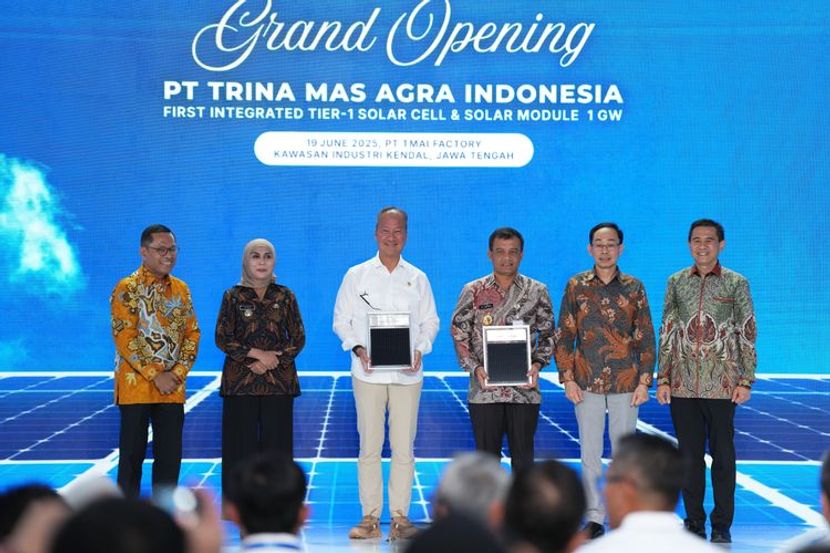
Indonesia's Largest Solar Panel Factory Officially Commences Production
The Minister of Industry recently inaugurated the solar panel factory of PT Trina Mas Agra Indonesia (TMAI) in the Kendal Special Economic Zone, Central Java. The factory, with an investment of over IDR 1.5 trillion, has an initial operating capacity of 1 GW per year, producing approximately 1.4 million solar panels annually. It adopts the latest i-Topcon technology with 23% efficiency, and each solar panel can achieve a maximum output of 720 Wp. The panels produced are among the largest in the world, and the factory is Indonesia's first integrated facility combining cell and module production.
20 Indonesian Companies Selected in Southeast Asia Top 500
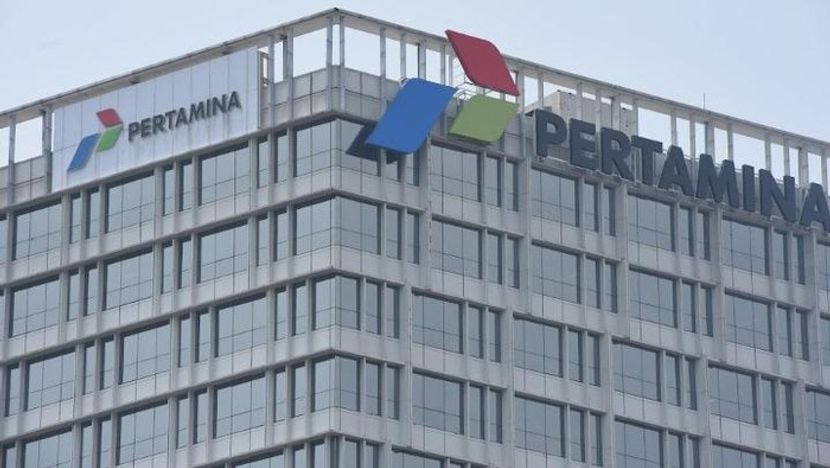
Fortune recently released the 2025 list of the top 500 companies in Southeast Asia, with 20 Indonesian enterprises making the list based on their highest revenues in 2024. Among the seven Southeast Asian countries, Indonesia contributed the largest number of companies, with 109, followed by Thailand (100), Malaysia (92), Singapore (81), Vietnam (76), the Philippines (40), and Cambodia (2). Among the top five companies by revenue in Southeast Asia, Indonesia's Pertamina ranked third. In the top 20 companies by revenue category, Indonesia's PLN and BRI ranked sixth and fourteenth respectively.
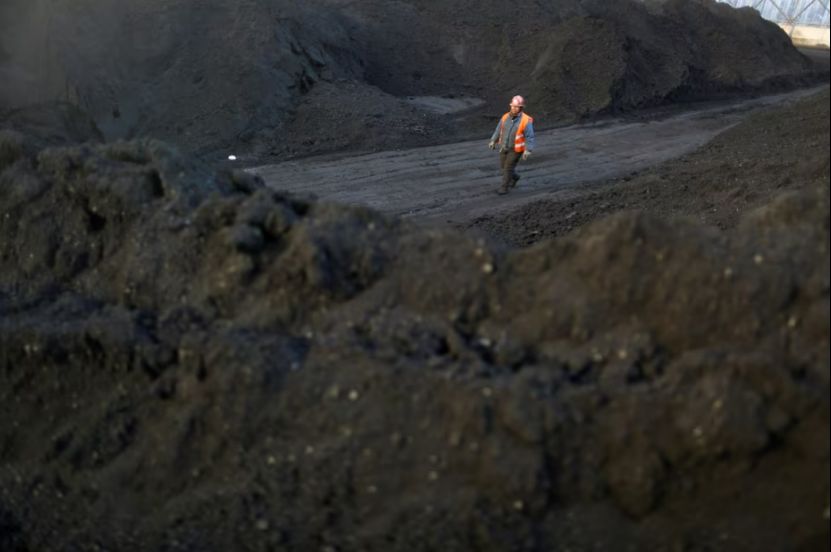
China Supplies Coking Coal to Indonesia, Breaking Old Market Pattern
In May 2025, China shipped at least three batches of coking coal to processing companies in Sulawesi, Indonesia, entering a market typically dominated by supplies from Australia and local Indonesian sources. Chinese customs monthly data shows that since early 2024, China has exported coking coal to Indonesia only three times; in April 2025, China exported 78,030 metric tons of coking coal to Indonesia, the first shipment since July 2024, with May data yet to be released. China is the world's largest importer of coking coal, not a major exporter of this steelmaking fuel. Independent consultants said the move aims to test the economic feasibility of Chinese supply

12 Indonesian Companies Listed in Global 2000
Forbes magazine released its 23rd annual Global 2000 list, ranking the world's largest public companies by sales, profits, assets, and market value. A total of 12 Indonesian companies made the list, including 5 from the banking sector. BRI is the highest-ranked Indonesian company, a state-owned bank primarily focusing on loans to micro, small, and medium enterprises, leveraging its extensive network and large national scale to sustain growth and profit stability. Mandiri, as a flagship state-owned bank, has advantages in corporate and consumer banking, and its expansion into digital services and green finance has enhanced