
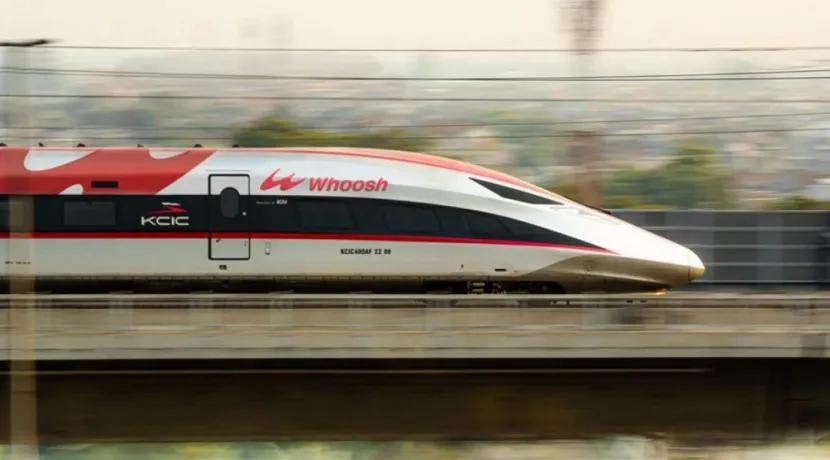
 rnrnThe Chinese Ambassador to Indonesia revealed to the media on the sidelines of the 2026 China-Indonesia Think Tank and Media Forum that the debt negotiations regarding the Jakarta-Bandung High-Speed Rail are progressing very smoothly. The Chinese side continues to maintain close communication with various relevant Indonesian ministries and agencies, and the overall negotiation process is on track. When asked about the specific content of the agreement reached between the two sides, the ambassador stated that relevant details are not yet convenient to disclose, but confirmed that all consultation procedures are advancing well. He particularly clarified the nature of the funds: the Chinese side is not directly lending to the Indonesian government, but rather the Chinese government provides funds to the China Development Bank (CDB), which then disburses the loan to support the Jakarta-Bandung High-Speed Rail (Whoosh) project. It does not constitute a direct external debt between the two governments. rnrnAs early as 2021, the then-President of the Jakarta-Bandung High-Speed Rail joint venture company KCIC explained that the project adopts a business-to-business (B2B) financing model, in which the CDB loan accounts for 75% of the total external financing. The Indonesian Finance Minister previously confirmed to the public that the debt restructuring work for the Jakarta-Bandung High-Speed Rail has been fully completed, and only awaits the official unified release of the results. He declined to disclose restructuring details in advance, including issues such as the subsequent ownership of the KCIC joint venture company, stating that such information will be announced uniformly by the relevant minister and that he is not authorized to release it early. rnrnThe Finance Minister reviewed the serious cost overrun problems that occurred during the project construction phase, noting that land acquisition delays were the core obstacle, and the Chinese side had previously raised concerns on multiple occasions. rnrnIn the early years, the project progressed slowly, with only 4 kilometers of land acquired in two years, and there was also mutual buck-passing between state-owned enterprises and the public works department in responding to various demands. Subsequent coordinated action by the Indonesian side only slightly improved the situation. He emphasized that in the future, all large-scale infrastructure projects, including high-speed rail, will be subject to strict full-process supervision to ensure smooth project delivery. Currently, all relevant negotiations and debt restructuring processes have been fully concluded, and only await the two sides to choose an opportune moment to jointly and officially announce the complete plan. The legacy issues from the early construction phase, such as sluggish land acquisition and cost overruns, have been properly resolved through these negotiations.
Debt Negotiations for China-Indonesia Jakarta-Bandung High-Speed Rail Progress Smoothly
www.indoent.com
2026-06-26
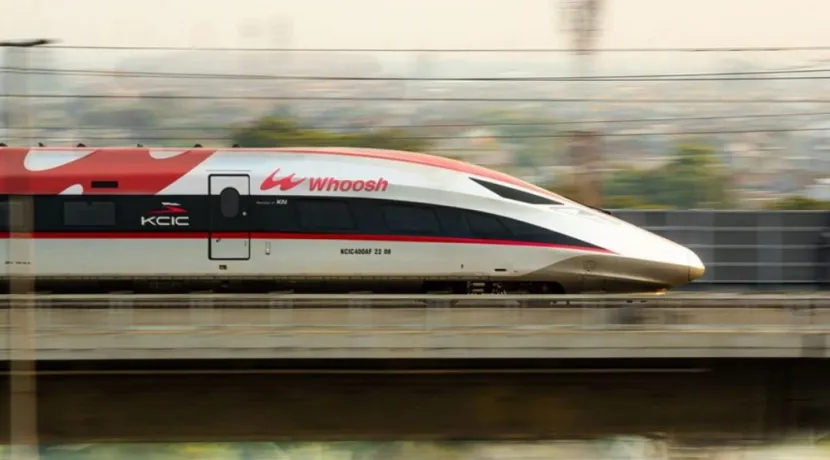
rnrnThe Chinese Ambassador to Indonesia revealed to the media on the sidelines of the 2026 China-Indonesia Think Tank and Media Forum that the debt negotiations regarding the Jakarta-Bandung High-Speed Rail are progressing very smoothly. The Chinese side continues to maintain close communication with various relevant Indonesian ministries and agencies, and the overall negotiation process is on track. When asked about the specific content of the agreement reached between the two sides, the ambassador stated that relevant details are not yet convenient to disclose, but confirmed that all consultation procedures are advancing well. He particularly clarified the nature of the funds: the Chinese side is not directly lending to the Indonesian government, but rather the Chinese government provides funds to the China Development Bank (CDB), which then disburses the loan to support the Jakarta-Bandung High-Speed Rail (Whoosh) project. It does not constitute a direct external debt between the two governments
rnrnThe Chinese Ambassador to Indonesia revealed to the media on the sidelines of the 2026 China-Indonesia Think Tank and Media Forum that the debt negotiations regarding the Jakarta-Bandung High-Speed Rail are progressing very smoothly. The Chinese side continues to maintain close communication with various relevant Indonesian ministries and agencies, and the overall negotiation process is on track. When asked about the specific content of the agreement reached between the two sides, the ambassador stated that relevant details are not yet convenient to disclose, but confirmed that all consultation procedures are advancing well. He particularly clarified the nature of the funds: the Chinese side is not directly lending to the Indonesian government, but rather the Chinese government provides funds to the China Development Bank (CDB), which then disburses the loan to support the Jakarta-Bandung High-Speed Rail (Whoosh) project. It does not constitute a direct external debt between the two governments. rnrnAs early as 2021, the then-President of the Jakarta-Bandung High-Speed Rail joint venture company KCIC explained that the project adopts a business-to-business (B2B) financing model, in which the CDB loan accounts for 75% of the total external financing. The Indonesian Finance Minister previously confirmed to the public that the debt restructuring work for the Jakarta-Bandung High-Speed Rail has been fully completed, and only awaits the official unified release of the results. He declined to disclose restructuring details in advance, including issues such as the subsequent ownership of the KCIC joint venture company, stating that such information will be announced uniformly by the relevant minister and that he is not authorized to release it early. rnrnThe Finance Minister reviewed the serious cost overrun problems that occurred during the project construction phase, noting that land acquisition delays were the core obstacle, and the Chinese side had previously raised concerns on multiple occasions. rnrnIn the early years, the project progressed slowly, with only 4 kilometers of land acquired in two years, and there was also mutual buck-passing between state-owned enterprises and the public works department in responding to various demands. Subsequent coordinated action by the Indonesian side only slightly improved the situation. He emphasized that in the future, all large-scale infrastructure projects, including high-speed rail, will be subject to strict full-process supervision to ensure smooth project delivery. Currently, all relevant negotiations and debt restructuring processes have been fully concluded, and only await the two sides to choose an opportune moment to jointly and officially announce the complete plan. The legacy issues from the early construction phase, such as sluggish land acquisition and cost overruns, have been properly resolved through these negotiations.
Tags
Social News
Share to


