
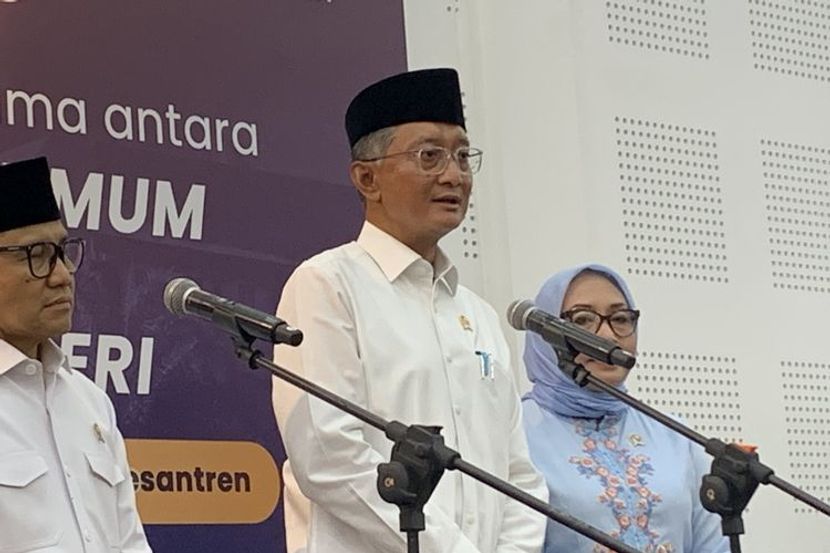
Indonesia Promotes 50 National Strategic Road Projects to Investors
The Minister of Public Works recently announced that 50 National Strategic Project (PSN) road projects will be offered to investors through the Government-Business Partnership (KPBU) scheme. These projects include cross-regional toll roads aimed at promoting the development of the national transportation network. The projects cover multiple provinces, including areas outside Java Island such as Sumatra, Kalimantan, Sulawesi, and Bali. Key projects include the Serang-Panimbang road in Banten Province, the Pandaan-Malang road in East Java, and the Manado-
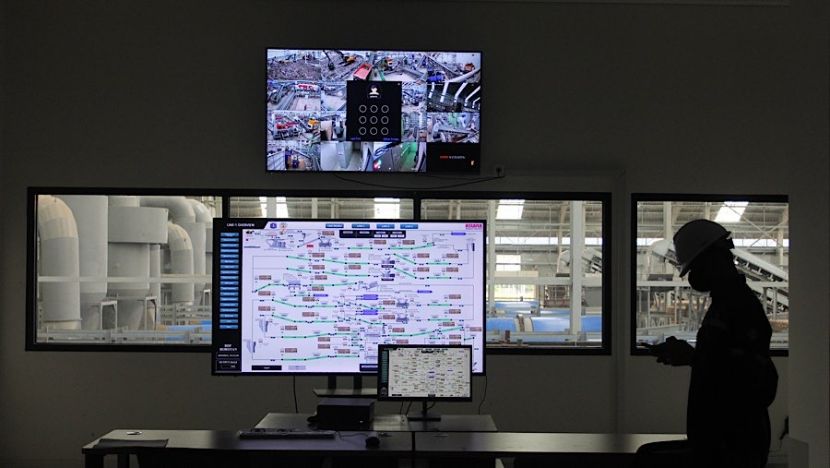
Indonesia to Launch Waste-to-Energy Project Tender, Operations Begin in 2028
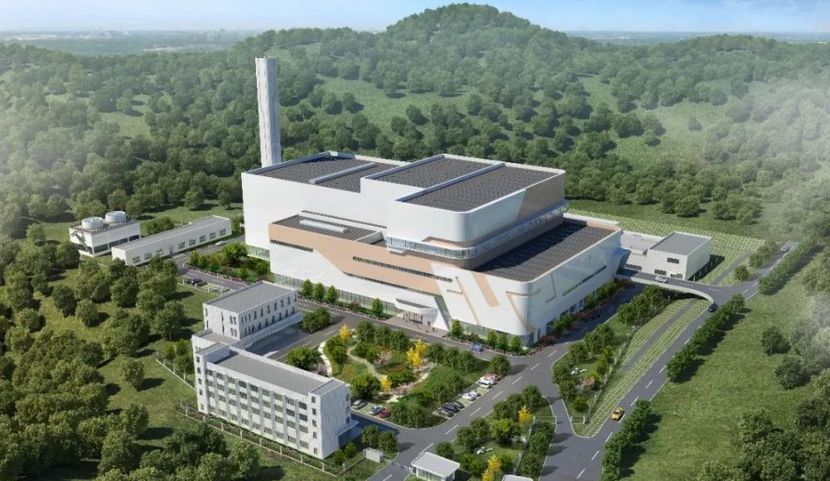
Indonesia's Waste-to-Energy Golden Era: 120 Companies Vying for Opportunities
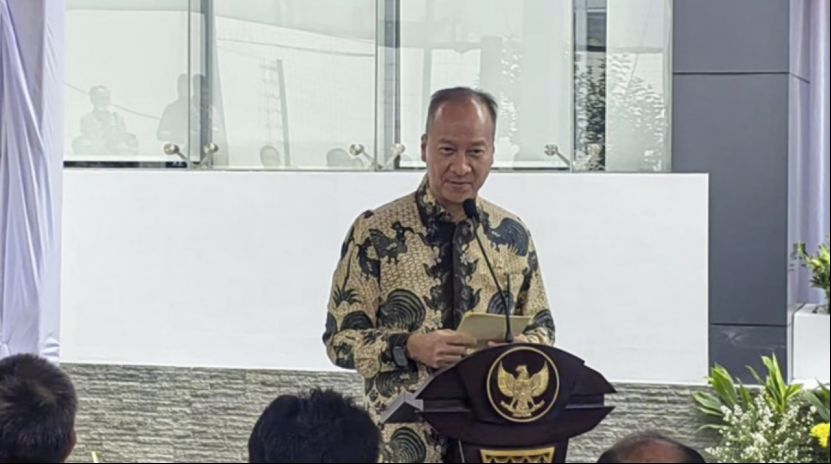
Indonesia's Ministry of Industry Issues New Regulation on Local Content Level
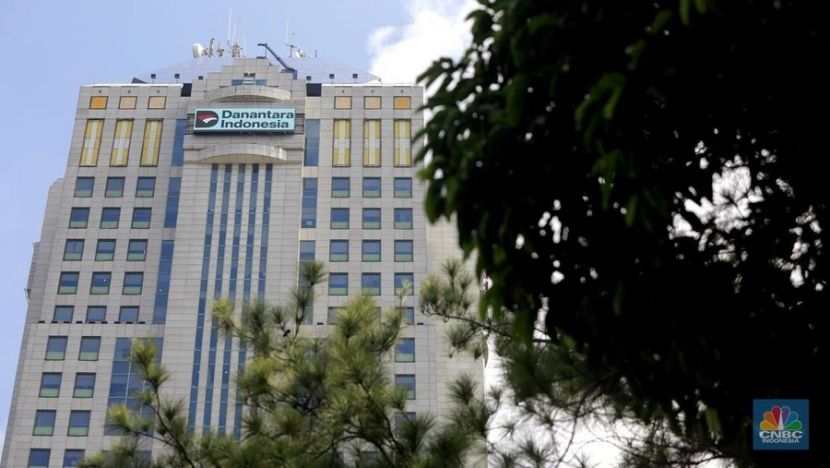
Over a Hundred Enterprises Participate in Indonesia's Waste-to-Energy Project, First Batch to Operate by Year-End
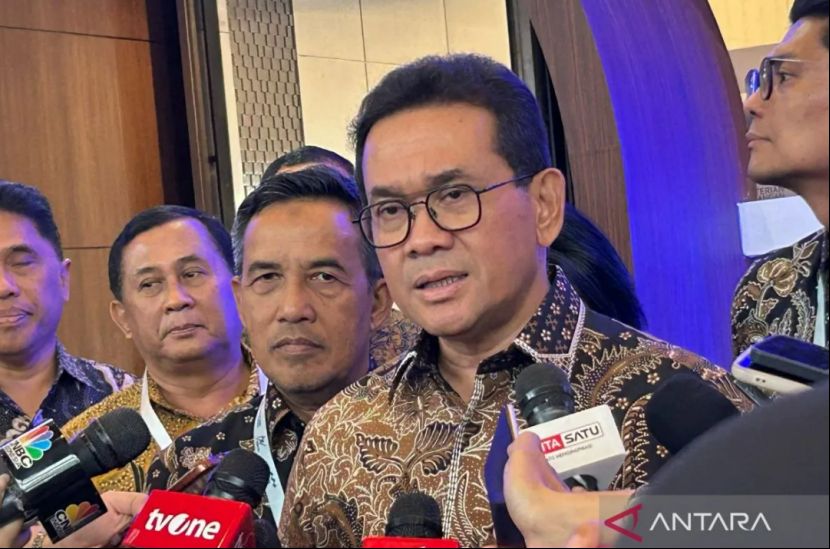
Indonesia's Exports to China Continue to Grow Amid Trade War
The Minister of Trade recently stated that despite the ongoing US-China trade war, Indonesia's exports to both countries maintained growth from January to August 2025. Data shows that Indonesia's non-oil and gas exports to China reached USD 40.44 billion, a year-on-year increase of 8.68%; exports to the US reached USD 20.6 billion, with a trade surplus of USD 12.2 billion (Indonesia's largest surplus source country). Major surplus countries are the US, India (USD 9.43 billion), Philippines (USD 5.85 billion); major deficit countries are China (USD 13.09 billion), Singapore (USD 3.55 billion). The Minister emphasized enhancing product
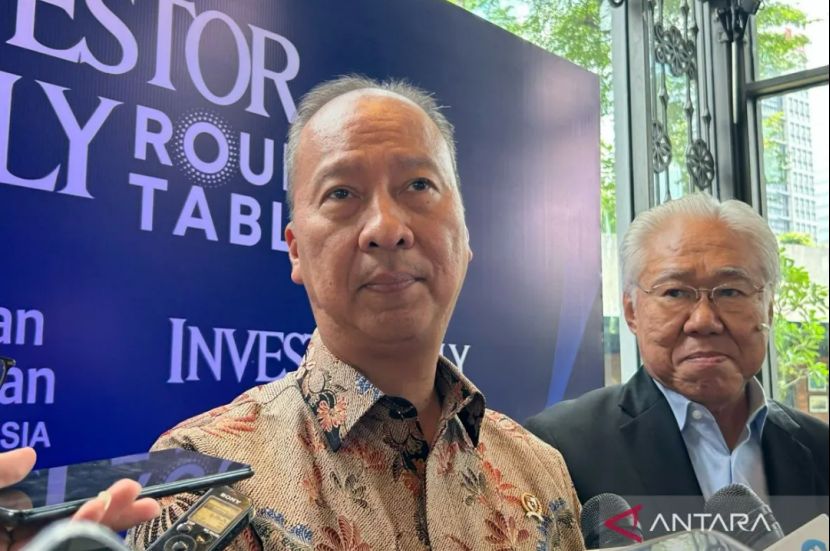
Indonesia to Issue New Industrial Radiation Monitoring Regulations
The Minister of Industry recently announced that the government is formulating new regulations requiring industrial zones and factories nationwide to submit regular radiation monitoring reports, in response to the previously discovered cesium-137 (Cs-137) radioactive contamination incident in the Cikande Industrial Zone, Banten Province. Key points of the new regulations include mandatory quarterly reports: enterprises must submit Radiation Portal Monitoring (RPM) data every three months through the National Industrial Information System (SIINas). At the same time, enterprises can choose to purchase their own testing equipment or entrust a third-party agency to complete the testing; the goal is to ensure the safety and quality of export products and maintain international trust in Indonesian industry.
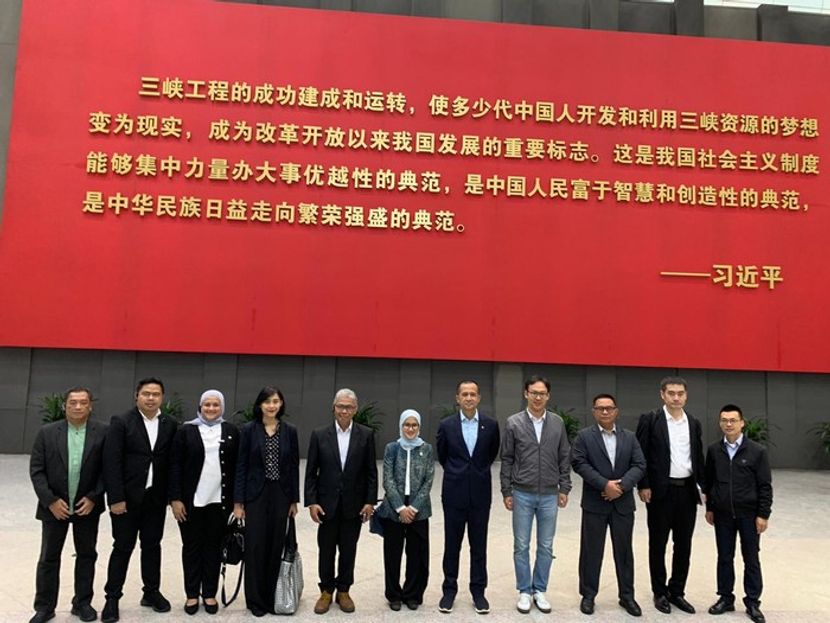
Indonesia Learns from Three Gorges Resettlement Experience to Develop Relocation Plan
Indonesia's Minister of Transmigration recently stated that the resettlement experience of the Three Gorges Project in Yichang City, Hubei Province, China (successfully relocating 1.3 million people) has provided valuable reference for Indonesia. Through 32 years of development, Yichang has transformed into an advanced resettlement area with thriving agriculture, household industries, and tourism. The welfare of migrants has increased by 8 times compared to before relocation. The Chinese government provides continuous vocational training to help migrants adapt to new industries (such as citrus planting and tea processing). Household handicraft products have achieved export scale, while ensuring that migrants are not far from their original places of residence, maintaining social networks. Indonesia plans to focus on developing resettlement villages in Papua and
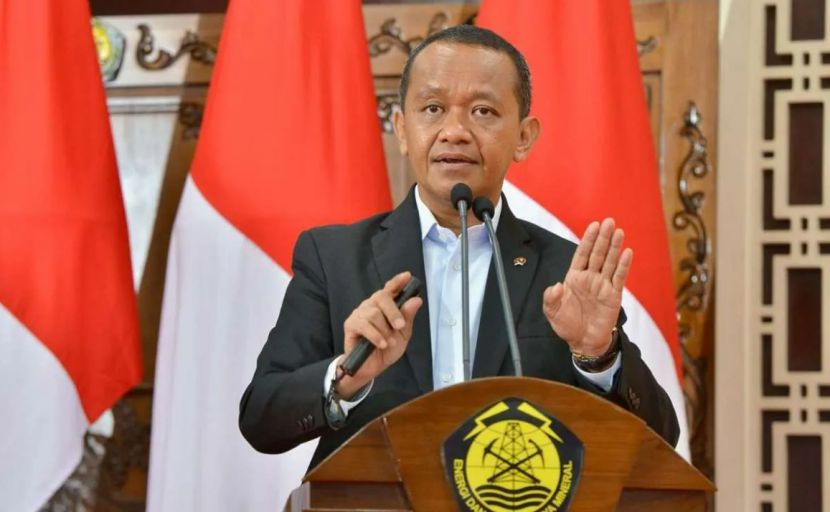
Indonesia Fully Bans Rare Earth Metal Exports
The Indonesian government has announced a full ban on the export of all rare earth metals and their by-products. The ban was issued by the Minister of Energy and Mineral Resources, aiming to implement President Prabowo's directive to strengthen state control over strategic resources. Indonesia's rare earth resources are mainly associated with tin mining by-products (such as monazite and xenotime), containing 17 rare earth elements, among which neodymium (Nd), praseodymium (Pr), and other permanent magnet materials account for more than 60% of global consumption. The newly established Mineral Industry Bureau in August will take the lead in rare earth value-added processing, prioritizing the development of mining areas without mining permits (IUP) by state-owned enterprises.
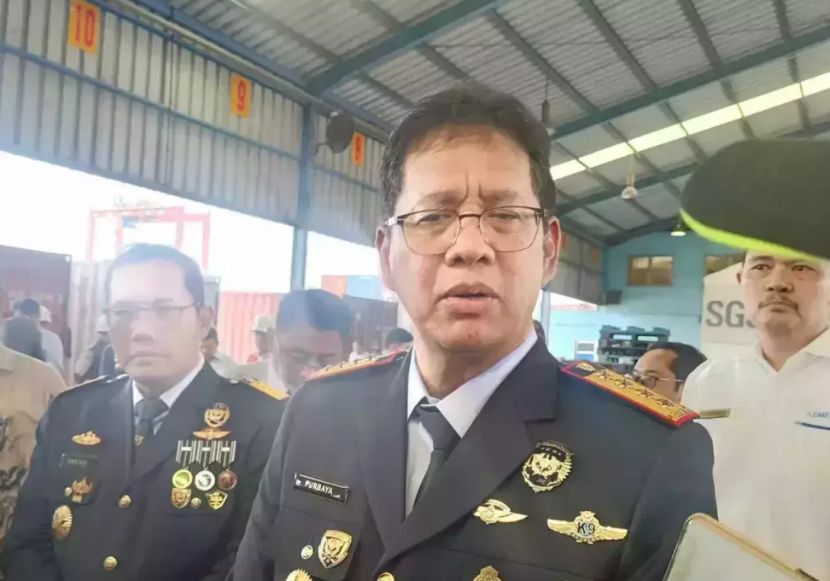
US Tariffs on China Bring New Export Opportunities for Indonesia
Indonesia's newly appointed Finance Minister believes that US President Trump's threat to impose 100% tariffs on Chinese goods has created new export opportunities for Indonesia. If Trump implements this tariff policy, it would significantly reduce the competitiveness of Chinese goods in the US market. As a major Southeast Asian economy, Indonesia has the opportunity to fill part of the market share. Indonesia possesses rich resources and diverse products, such as agricultural products, mineral products, and manufactured goods, all of which are expected to gain more opportunities in exports to the US. Indonesia should actively seize this opportunity, and the government and relevant departments need to formulate effective strategies,
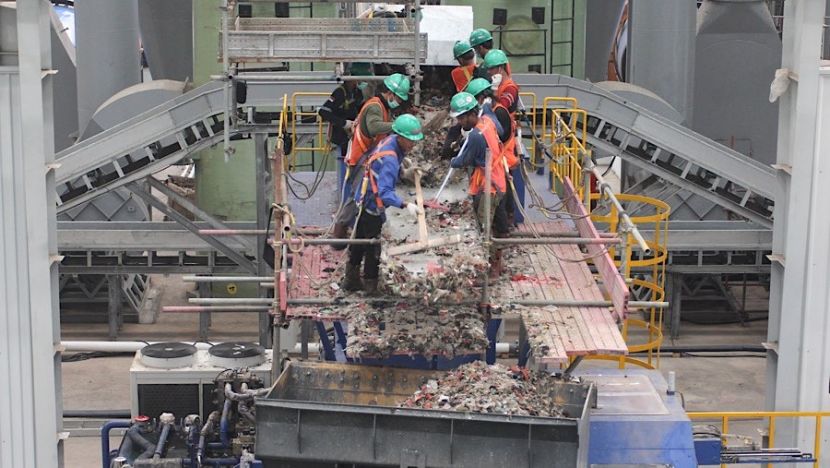
Indonesia Launches Tender for Waste-to-Energy Projects
The National Investment Management Agency (BPI) Danantara will launch an open tender for waste-to-energy (PLTSa) projects in early November 2025. Its CEO has pledged to ensure a transparent process. The projects aim to address waste accumulation in major cities and promote energy transition, targeting commercial operations by 2028. The government will revise Presidential Regulation No. 35 of 2018, fixing the electricity price at 20 US cents/kWh (originally proposed at 22 cents), eliminating local government tipping fees, and shifting the burden to state electricity company PLN. A "take and pay" contract model will also be introduced to protect investor returns.
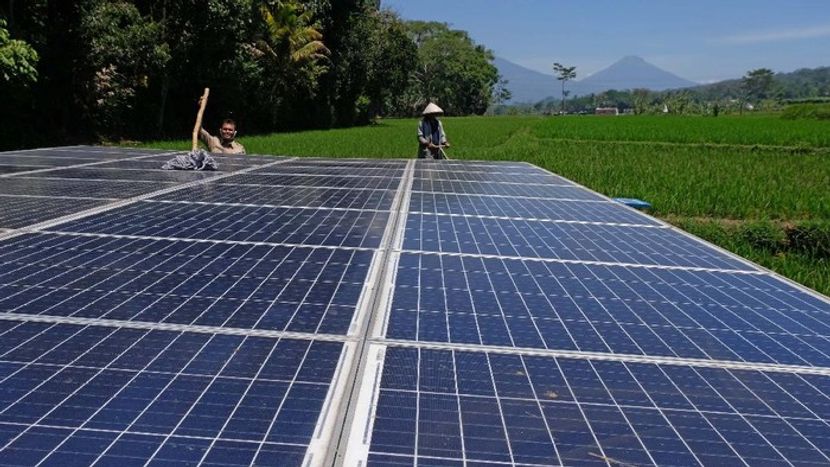
Indonesia Plans to Build Solar Power Stations in 80,000 Villages
The Coordinating Minister for Economic Affairs recently announced that President Prabowo has ordered the construction of solar power plants in 80,000 villages, with a total planned installed capacity of 80 GW. The project will be implemented through village Merah Putih cooperatives, aiming to accelerate Indonesia's energy self-sufficiency. Initially, a pilot project of 1 MW on 1 hectare of land will be launched, and after full rollout, the annual power generation is expected to be equivalent to four years of total energy subsidies. The Energy Minister revealed that the final target is 100 GW, with a total project investment estimated at $100 billion. Energy subsidies could be gradually phased out by the 5th to 6th year after completion. The plan will also be coordinated through the TPAKD mechanism.