

Chinese Mainland and Hong Kong Enterprises Eligible for Relaxed Foreign Exchange Deposit Rules in Indonesia
Indonesia's Coordinating Ministry for Economic Affairs recently held a hybrid policy briefing session to explain the implementing regulations of Article 18A of Government Regulation No. 21 of 2026, which is the third amendment to regulations on foreign exchange from natural resource export earnings (DHE SDA). Representatives from mining companies, banks, industry associations, and foreign chambers of commerce attended the event. The Secretary of the Coordinating Ministry for Economic Affairs chaired the meeting, with the Coordinating Ministry for Economic Affairs, the Ministry of Finance, and Bank Indonesia as the main speakers announcing four core implementation decisions: designated applicable countries, exporter qualification criteria, list of foreign exchange deposit banks, and exporter data reporting mechanisms.

China-Indonesia Multi-Sector Strategic Cooperation Upgrade Blueprint

Indonesia's Dual RMB Clearing Bank Model to Be Launched Soon

Investment of IDR 10 Billion in Indonesia's New Capital Qualifies for 30-Year Tax Exemption

Indonesia Terminates Anti-dumping Duty on PPH Raw Material Imports from China

Indonesia Continues to Uphold Export Bans on Bauxite and Copper Concentrate
Indonesia's Minister of Energy and Mineral Resources recently publicly stated at a book launch event in Jakarta that the Indonesian government will continue to uphold the export bans on raw bauxite and copper concentrate, and will not open up the export channels for raw materials of these two core minerals. This policy is a core strategy of Indonesia's national economic transformation and downstream industrial upgrading of minerals, aimed at fundamentally changing the extensive development model of simply exporting natural resources. He explicitly stated that the core purpose of Indonesia's insistence on banning raw mineral exports is to force local mineral resources to be processed domestically and to vigorously promote the downstream industrialization of minerals.

Indonesia Attracts Chinese Investment to Develop Kalimantan Cross-Island Railway
Indonesia's Minister of Transportation recently announced that the government is actively soliciting investment from domestic and international sources, with a focus on attracting Chinese, Russian, and local capital to push forward the new Trans-Kalimantan Railway project and the Trans-Sumatra Railway upgrade and expansion. This infrastructure acceleration stems from a special directive by President Prabowo, requiring the Ministry of Transportation and state railway company KAI to speed up the implementation of the two national railway networks and improve Indonesia's east-west main transportation system. The minister stated that the ministry has completed coordination with KAI, and the company has compiled a complete project development roadmap.

Indonesia Officially Cancels Policy of E-commerce Platforms Withholding Seller Income Tax
The Indonesian Minister of Finance recently announced the official revocation of the policy requiring e-commerce platforms to withhold Article 22 income tax (PPh Pasal 22) from online merchants. The policy was originally scheduled to take effect on August 1, 2026. The core reason for this suspension is that the Indonesian economy has not yet shown signs of rapid recovery. In a statement at his office in Jakarta, he said that the implementation of this tax regulation would be postponed for now. According to economic data, Indonesia's economic growth rate in the second quarter of 2026 was 5.29%, compared with the high growth rate of 5.61% in the first quarter of 2026. The second-quarter data did not reflect strong resilience in economic recovery.

End of September: Indonesia Introduces Duty-Free and Deposit-Free Import/Export for Returnable Packaging
Indonesia's Ministry of Finance recently issued Regulation No. 52 of 2026, specifically governing the temporary import/export procedures for reusable returnable packaging. Signed by the Minister of Finance on July 15, 2026, and officially published on July 31, the regulation will take effect 60 days after publication, i.e., at the end of September 2026. It replaces the vague and incomplete provisions of the 2017 and 2021 regulations that did not specifically cover reusable packaging, providing cross-border logistics companies with clear, unified, and standardized customs compliance guidelines.
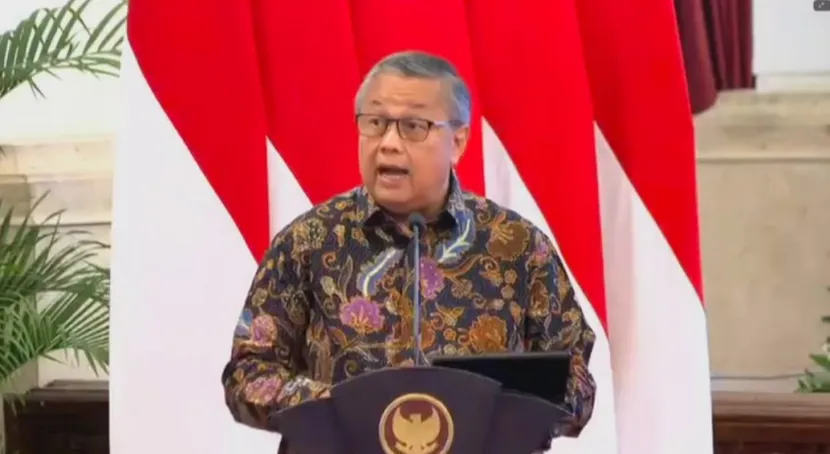
Bank Indonesia Maintains Interest Rate at 5.75% Unchanged
Bank Indonesia (BI) recently held a Board of Governors meeting, officially announcing the decision to maintain the benchmark interest rate (BI Rate) steady at 5.75%, not following the pace of rate hikes. At the same time, it introduced a number of significant financial incentive policies aimed at optimizing the foreign investment environment, stabilizing the Indonesian rupiah exchange rate, and attracting foreign capital back into the domestic financial market. This policy package replaces a direct rate hike plan and has become the core regulatory tool for Indonesia to stabilize the exchange rate, capital flows, and the economy.
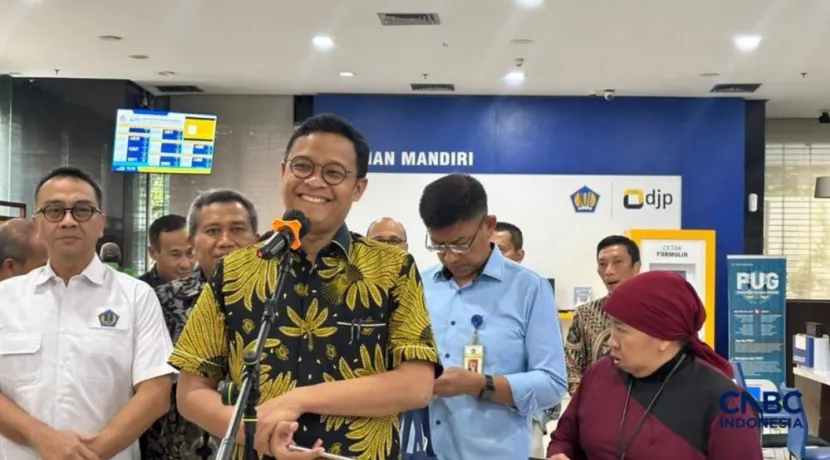
All Indonesian Tax Processes to Be Unified Online Starting July
The Director General of Taxes at the Indonesian Ministry of Finance recently confirmed that, starting July 2026, all tax administrative tasks in Indonesia will be fully handled through the Coretax digital system, which will officially become the sole core platform for Indonesia’s tax system. All tax processes, including tax supervision, enforcement and collection, tax objections, and appeals, will be gradually unified and migrated to the Coretax online platform, marking a comprehensive digital transformation of Indonesia’s tax system. During the 2026 Indonesian Tax Dialogue Forum, officials stated that this upgrade represents a transformative leap for the country’s tax system. The era of traditional paper-based and fixed office systems has come to
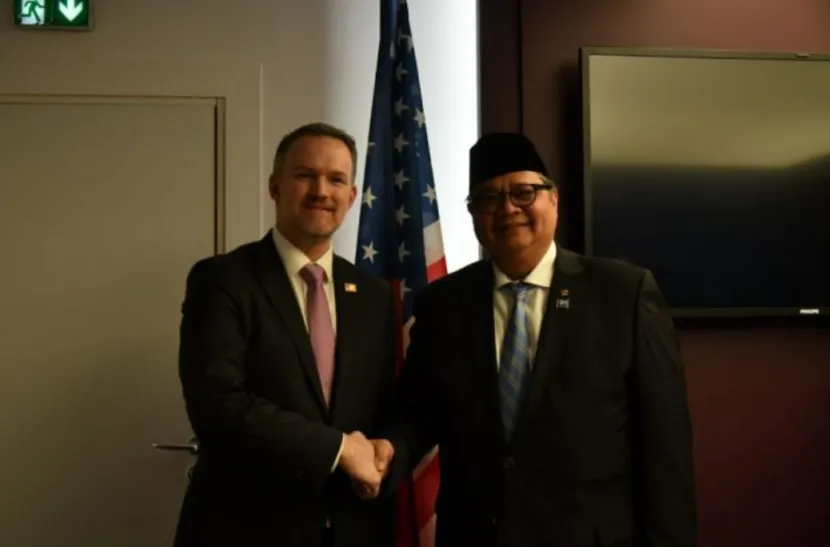
Indonesia to Receive Preferential US Tariff Treatment
The bilateral economic and trade cooperation between Indonesia and the US continues to deepen, with mutual benefits becoming increasingly prominent. The two countries have been deepening their integration into the global economic and trade system by relaxing market access and coordinating trade policies. The Office of the United States Trade Representative has fully recognized Indonesia's rectification efforts in areas such as the implementation of labor regulations, combating forced labor, and controlling imports of non-compliant products, placing Indonesia in the top tier of US tariff assessments. Among the 60 economies assessed, only Canada, Ecuador, the European Union, Indonesia, Mexico, and Pakistan have been granted preferential treatment by the US. This favorable outcome stems from a bilateral consultation between Indonesia's Coordinating Minister for Economic Affairs and the US Trade Representative during the 2026 OECD Ministerial Meeting in Paris. According to the Secretary of the Coordinating Ministry for Economic Affairs of Indonesia, based on the findings of the US Section 301 investigation, the top six countries are eligible for a 10% preferential tariff, while the remaining 54 assessed entities face a tariff rate of 12.5%.