
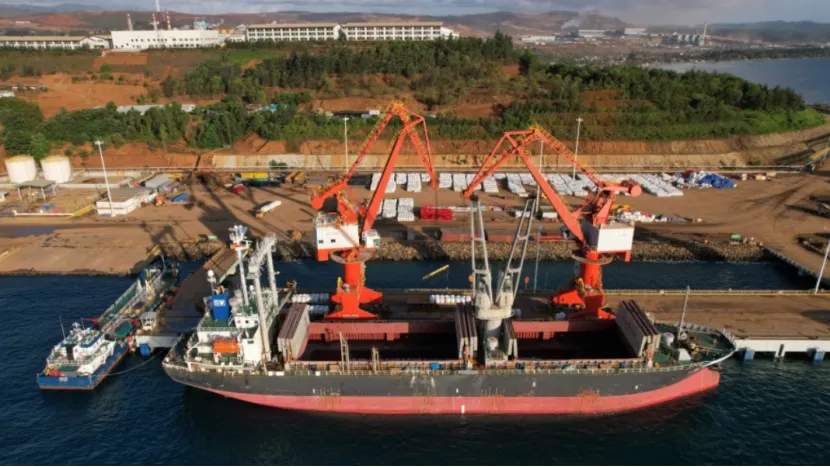
Indonesia Plans to Fill Nickel Ore Gap with Imports from Philippines
rnrnThe Indonesian Ministry of Energy and Mineral Resources has officially responded to the exhaustion of mining quotas for Weda Bay Nickel (WBN). The tightening of quotas at this mining area could lead to a shortfall of 30 million tons of nickel ore raw materials for the Indonesia Weda Bay Industrial Park (IWIP) smelters. rnrnThe Director General of Minerals and Coal stated that local smelting companies can supplement supply through two channels: purchasing ore from other private mining companies, or importing nickel ore from the Philippines. He also denied the industry perception that imported ore from the Philippines is more expensive, emphasizing that the overall price of local ore remains competitive. rnrnIn response to widespread industry concerns about the new mineral benchmark price (HPM

Three Voices from the Indonesian Government After the Chinese Chamber of Commerce Letter
For Chinese enterprises, Indonesia still has opportunities, but the next opportunities do not belong to the boldest, but to those who can calculate clearly, comply deeply, and localize steadily. Survive, endure, and wait for Indonesia's current round of policy rebalancing to complete. Only enterprises that truly take root will be qualified to share the cake of the next cycle. How did the Indonesian government react after the Chinese Chamber of Commerce letter? In the past two days, the letter from the Indonesia China Chamber of Commerce to President Prabowo has indeed stirred up waves in the Chinese business community in Jakarta. In fact, after studying Indonesia's business-government relations for many years, I have always had a judgment: when looking at Indonesian policies, you cannot just look at what they say, but more importantly, where the interests are stuck.
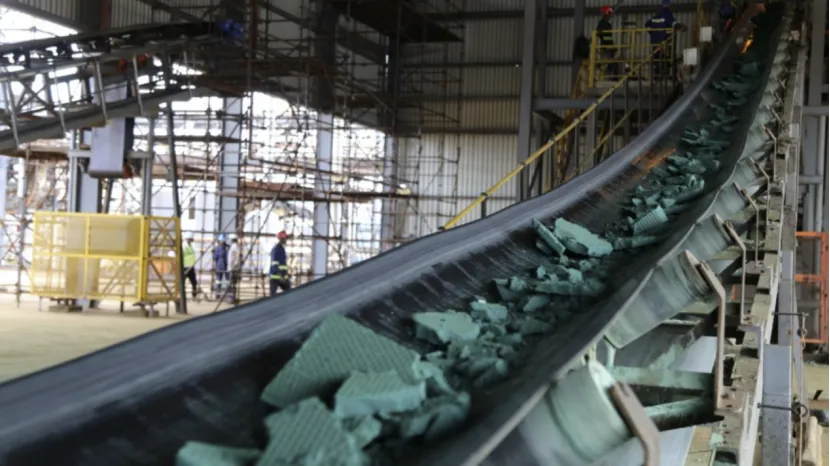
New Regulation on Indonesian Nickel Ore Benchmark Price Sparks Industry Opposition
The Indonesian Nickel Industry Forum (FINI) expressed regret and opposition to the Ministry of Energy and Mineral Resources' decision to revise the calculation formula for the nickel ore benchmark price (HPM), arguing that amid multiple cost pressures facing the nickel smelting industry, the new regulation leads to a significant increase in nickel ore prices, further burdening companies and even hindering the national nickel downstream strategy. The Chairman of FINI stated that the Indonesian nickel smelting industry is currently under tremendous operational pressure: the Middle East conflict has driven up sulfur prices, energy costs are rising, logistics expenses are increasing, and corporate profits have been severely squeezed. Against this backdrop, the increase in the nickel ore benchmark price, coupled with market rumors of an export tariff on nickel processed products, will put the downstream industry under dual pressure, severely dragging down the progress of Indonesia's nickel downstream development.
Indonesia Plans to Include Nickel By-Products in Base Price Calculation
The Ministry of Energy and Mineral Resources plans to include by-product minerals generated during nickel mining—such as cobalt and iron—into the calculation scope of the Mineral Base Price (HPM), in order to clarify the economic value of by-product resources and drive an overall increase in mineral reference prices. The Director General of Minerals and Coal at the Ministry stated in Jakarta that this adjustment is in response to a proposal from the Indonesian Nickel Miners Association (APNI), by reasonably valuing by-product minerals like cobalt and iron and incorporating them into the pricing formula, thereby raising the overall mineral reference price. He emphasized that the focus of this reform is on modifying the pricing calculation formula, not on adjusting the frequency of price announcements. Currently, Indonesia's mineral reference price
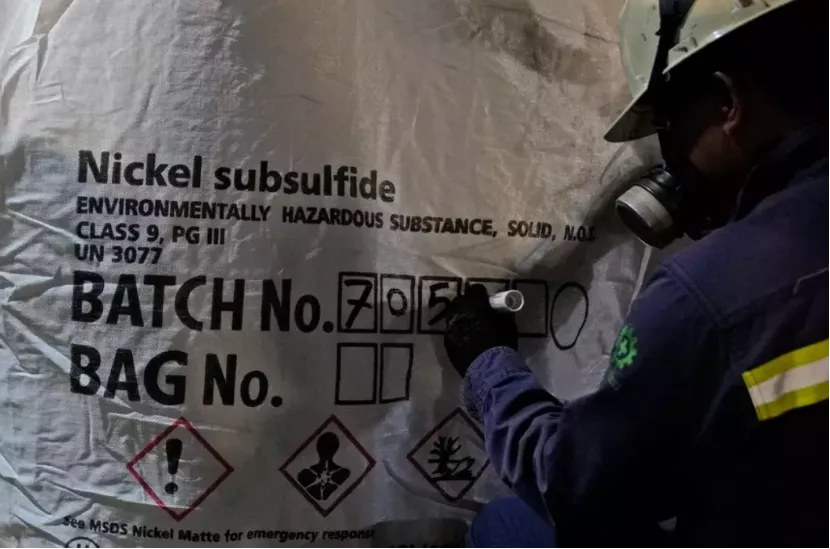
Indonesia Plans Nickel Export Tax, Causing Nickel Prices to Surge
After the world's largest nickel producer Indonesia officially approved a tax on battery metal exports, international nickel prices surged sharply. On Wednesday, March 25, 2026, nickel futures on the London Metal Exchange (LME) rose as much as 2.7% and closed up 2.1% at $17,310 per ton. The Finance Minister confirmed that President Prabowo has approved export tariffs on coal and nickel, with specific rates still under in-depth discussion. Indonesia introduced this policy primarily due to national fiscal pressure. As a net importer of crude oil and refined products, Indonesia has been affected by conflicts involving Iran, the United States, and Israel
Danantara Group Plans Nickel Smelting Projects in Indonesia
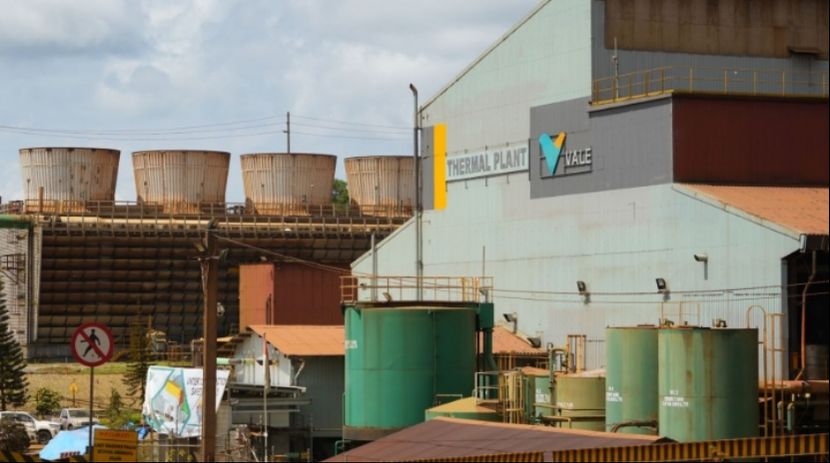
rnrnIndonesian investment group Danantara recently announced two major nickel investment plans, including an HPAL project in partnership with Chinese company GEM, signing a $1.42 billion agreement to build a wet冶炼 plant with an annual capacity of 66,000 tons of mixed hydroxide nickel, in collaboration with Brazil's Vale Indonesia. GEM has invested $30 million to jointly establish a metallurgical laboratory with Bandung Institute of Technology (ITB) to support the development of the Indonesian Green Industrial Park (IGIP), expected to create 80,000 jobs. rnrnAdditionally, there is a proposed acquisition of the GNI nickel pig iron plant, considering an injection of $20 billion to acquire PT GNI, a subsidiary of Jiangsu Delong Nickel Industry, aiming to alleviate operational difficulties caused by the parent company's financial crisis (current capacity is only 30%-40%, with 12 production lines halted). Experts believe the HPAL project holds greater strategic value, while the GNI acquisition would require assuming its legacy debts and pressure to upgrade the RKEF technology production lines. rnrnGNI currently relies on a $60 million syndicated loan to maintain medium-term liquidity, with outstanding payments to energy and nickel ore suppliers yet to be resolved. Danantara's CEO stated that both investments are in the due diligence stage, with final decisions dependent on compliance assessments. This move will strengthen Indonesia's position in the global nickel supply chain, but requires balancing short-term restructuring risks with long-term returns.
Another Chinese Enterprise Invests in Developing Indonesia's Electric Vehicle Battery Project
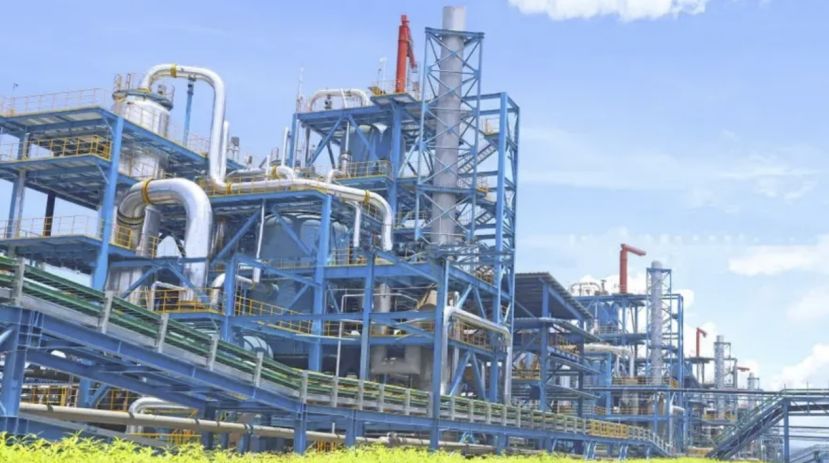
The Minister of Energy and Mineral Resources and the Minister of Investment recently stated that the electric vehicle battery project, a collaboration between China's Zhejiang Huayou Cobalt (Huayou) and Indonesia Battery Corporation (IBC), involves Indonesian state-owned companies such as Antam. The investment scale is approximately US$8 billion (around IDR 131.07 trillion), with a target completion date of the end of 2027. The Indonesian government will provide attractive incentives for this electric vehicle battery ecosystem project. Huayou Cobalt replaced Korea's LG Energy Solution (LGES), which was originally involved in the project. Due to failure to fulfill the initially agreed commitments, the Indonesian government decided to let LGES withdraw from the consortium project with IBC, Antam, Pertamina, and PLN. LGES also exited investment plans for three joint ventures, with only the fourth already operational joint venture still proceeding. To date, Huayou Cobalt's investment in Indonesia has reached US$8.8 billion, with a potential additional investment of US$2 billion (around IDR 335.56 trillion). Future expansions are planned in the Weda Bay and Morowali industrial parks, with a new industrial park planned in Pomalaa. This project is part of Indonesia's plan to become a global battery hub, with downstream processing of the nickel supply chain as a key support.
China's anti-dumping tariff on Indonesia will affect nickel ore prices
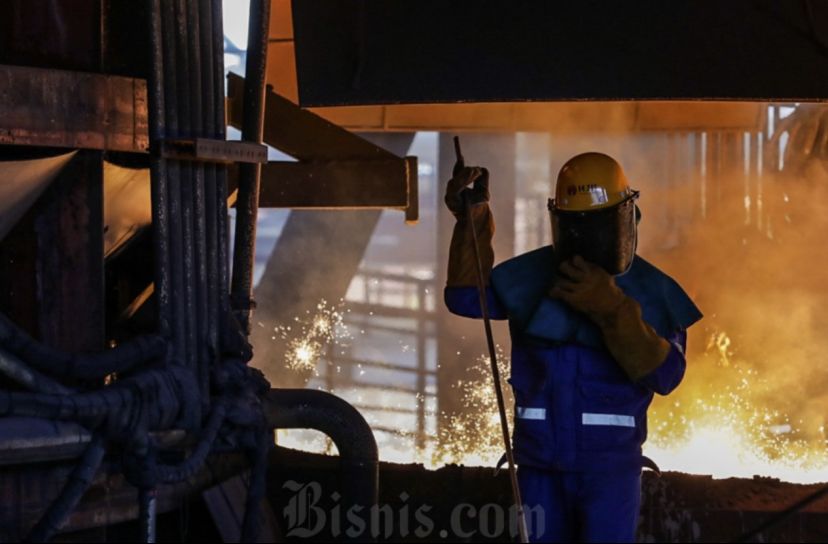
China officially imposes anti-dumping tariffs of 20.2% on Indonesian stainless steel billets, hot-rolled sheets and other products, effective from July 1, 2025, with a five-year extension until 2030. This policy targets not only Indonesia but also similar products from the European Union, the United Kingdom, and South Korea. The Indonesian Nickel Mining Association stated that this policy will lower nickel ore prices and, due to reduced demand for saprolite nickel ore as raw material, affect upstream industries, potentially lowering sales prices and state non-tax revenue. The Morowali Industrial Park (IMIP) in Central Sulawesi and the Weda Bay Industrial in North Maluku
CATL's Indonesia Battery Project to Break Ground in June
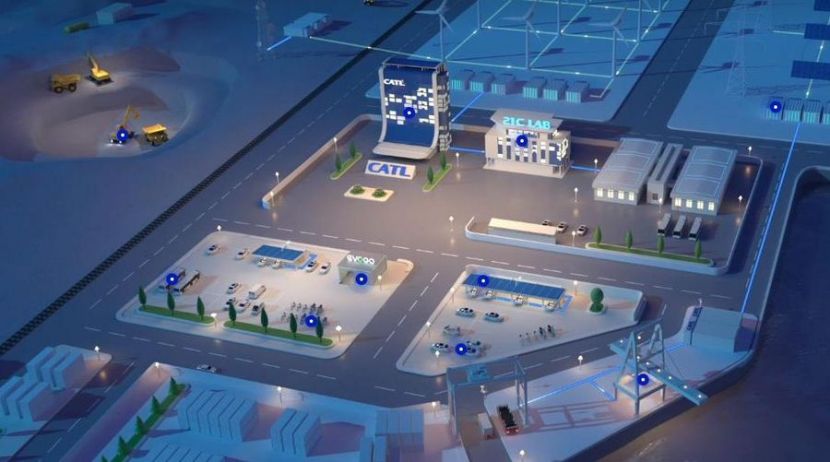
The Minister of Energy and Mineral Resources recently revealed that the upstream-downstream integrated battery project by Chinese investor Contemporary Amperex Technology Co Limited (CATL) will hold its groundbreaking ceremony in June 2025. The project, with an investment of approximately USD 6-7 billion, aims to build a complete electric vehicle battery ecosystem from upstream to downstream, including mining, high-pressure acid leaching smelters, precursors, cathodes, battery cells, and other stages. It is the first of its kind globally. He understands that some European countries want to build battery cell factories near European automobile plants, but emphasized that precursor and cathode factories must be located in Indonesia to achieve a fair and win-win situation and to safeguard Indonesia's nickel supply chain and industrial ecosystem. This project is not just an investment but a significant adjustment to the global battery industry layout, with far-reaching impacts on Indonesia's related industries and international cooperation.