

Indonesian Nickel Resource Companies' Performance Continues to Improve
PT Trimegah Bangun Persada Tbk (NCKL), known as Harita Nickel, delivered impressive financial results for the third quarter of 2024, with revenue for the first nine months reaching IDR 20.3 trillion, an increase of 18.02% year-on-year, largely contributed by the nickel processing and mining division. The Chinese Lygend-affiliated companies were the largest buyers, with transaction volumes growing significantly. Despite rising costs, gross profit and net profit still increased, and net profit attributable to the parent company's owners also grew. As a nickel enterprise, NCKL operates two mines to supply ore to its smelters, targeting the production of 120,000 tons of nickel pig iron and nickel. Through its HPAL refinery, it aims to produce 80,000-85,000 tons of MHP nickel, with ONC already operating at full capacity. NCKL is also exploring battery material development, with total assets of IDR 51.69 trillion and a manageable debt ratio, solidifying its leadership in the global nickel mining sector.
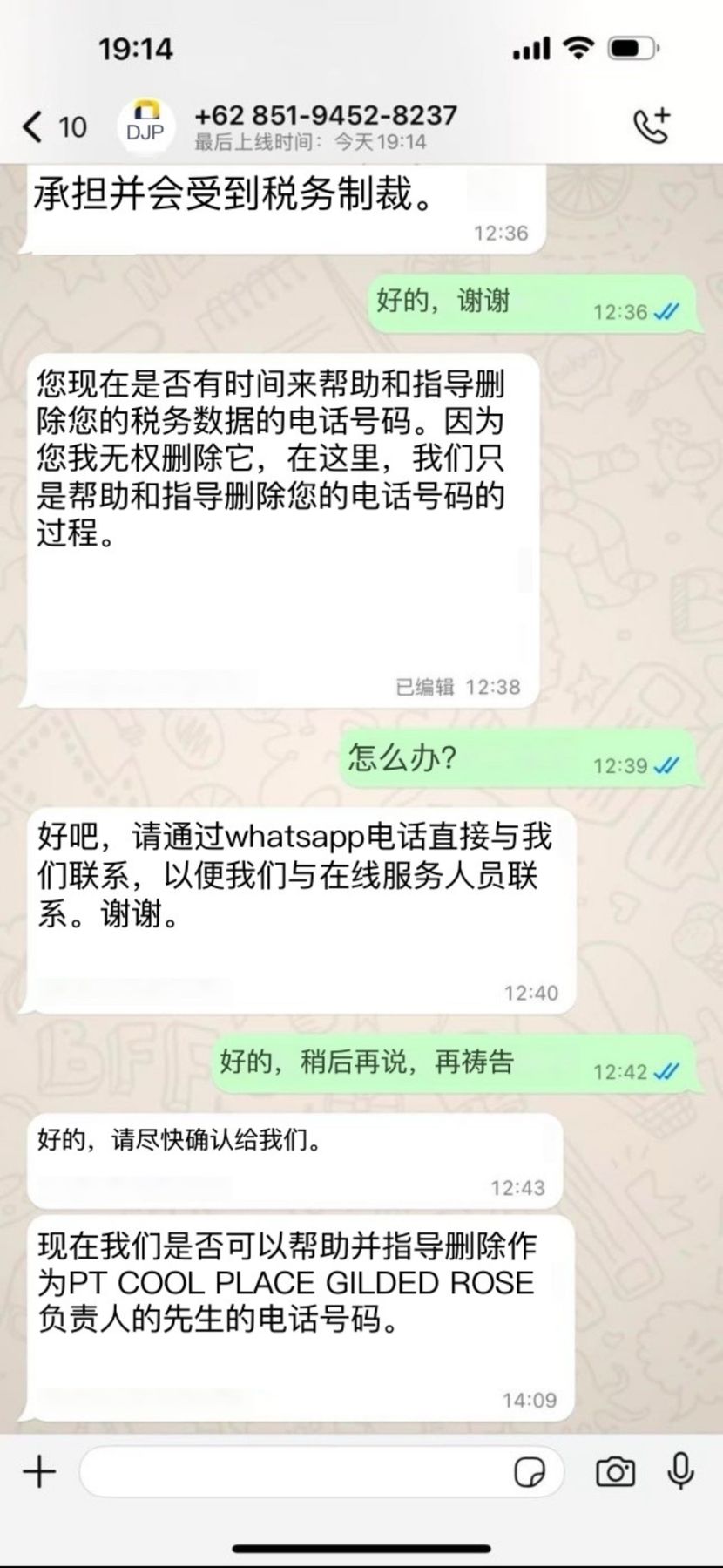
Indonesian Telecom Scammers Impersonate Tax Office Staff to Defraud
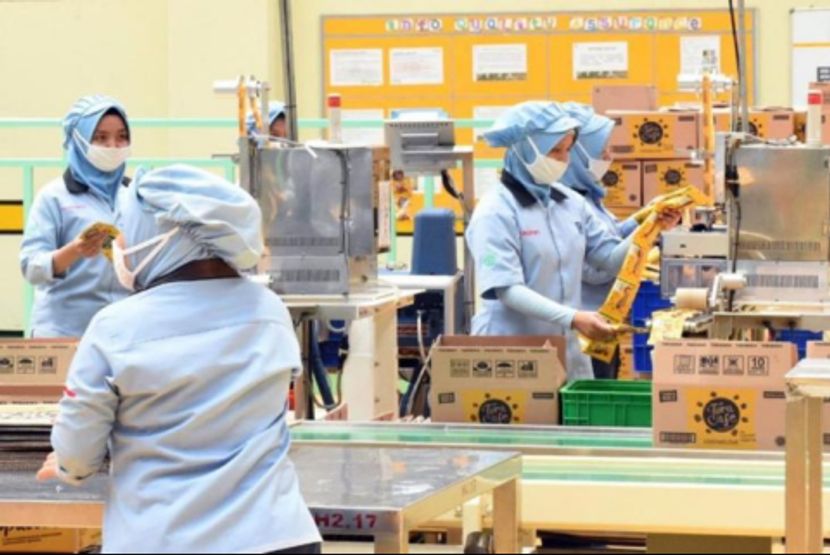
Indonesia's Investment Ministry Reminds Chinese Investors to Be Cautious in Finding Industrial Land
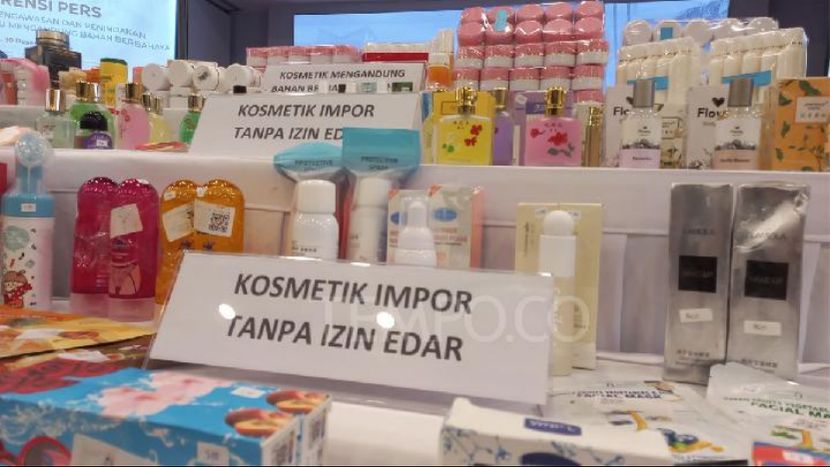
Indonesian FDA Suddenly Seizes Large Batch of This Type of Chinese Product
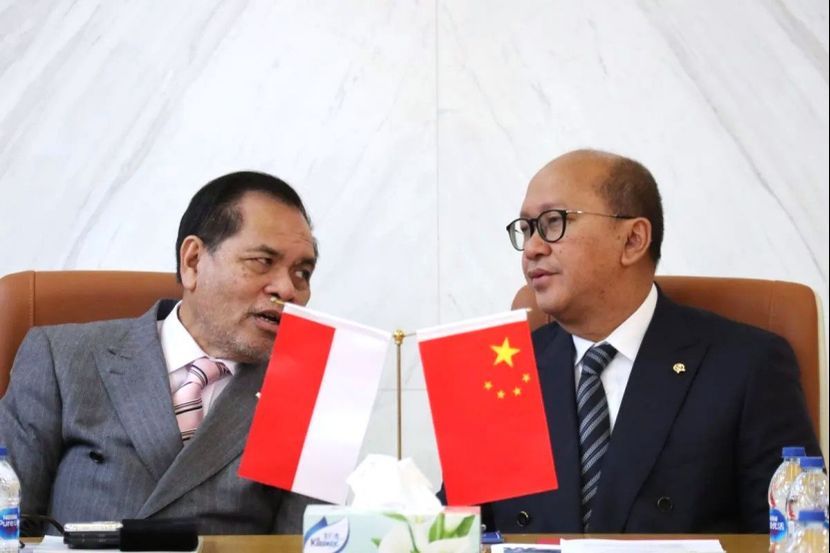
Indonesia Receives Over IDR 120 Trillion in Chinese Investment
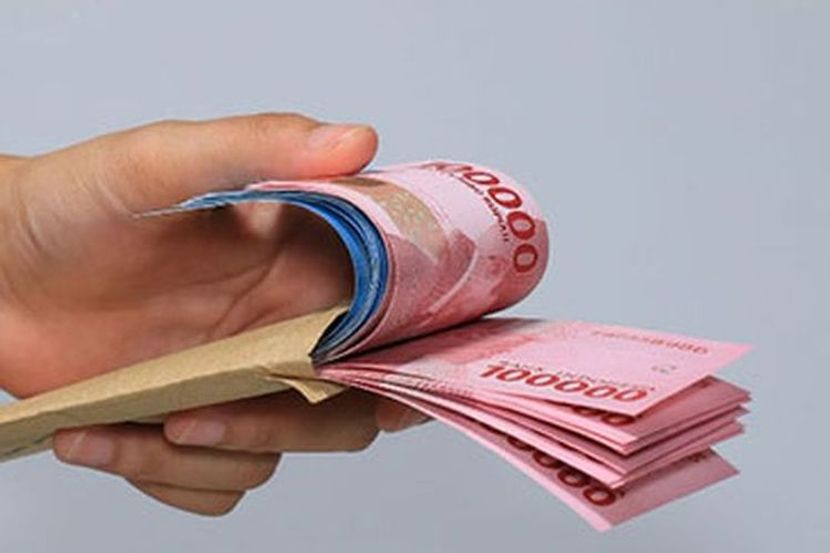
6.5% Minimum Wage Hike Poses Heavy Burden on Indonesian Businesses
The Economic Policy Analyst of the Indonesian Employers' Association assessed that a 6.5% increase in the minimum wage will place a heavy burden on the business community, especially in labor-intensive industries, which are currently a focus of the government's efforts to reduce unemployment. While the government aims to encourage a lower unemployment rate, it is simultaneously imposing excessive burdens on businesses. They hope the government can adopt a more neutral policy. The policy is intended to ensure sustained minimum wage growth while taking into account the productivity and competitiveness of national industries. Previously, President Prabowo announced an average 6.5% increase in the minimum wage for 2025.
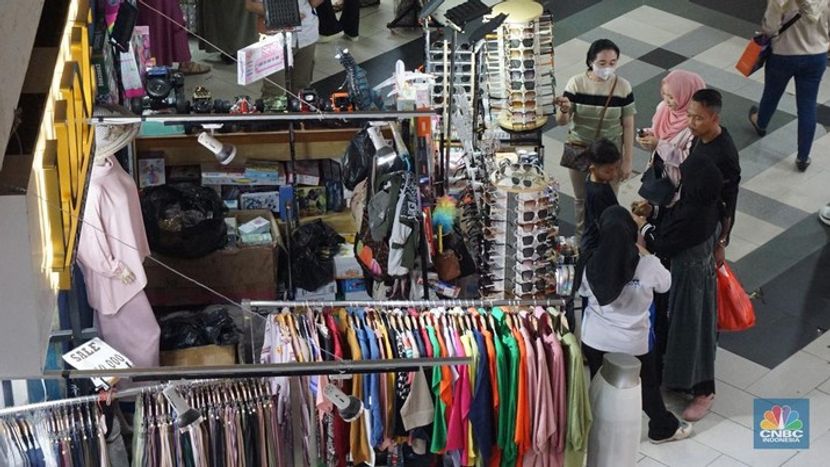
Indonesian Local Textile Industry Complains Imported Goods Impacting the Indonesian Market
The General Chairman of the Association of Counterflow Entrepreneurs stated that over the past two years, a large number of imported goods have flooded in, causing 60% of small and medium-sized enterprise members to cease operations and 50% to struggle to survive. Due to the low prices of imported goods, suspected to be illegal imports, local enterprises find it difficult to compete and have laid off workers and closed factories. He hopes to secure a larger market for textile SMEs domestically, believing that Indonesia has strong purchasing power and low inflation. If the local market controls at least 70%, SMEs will progress. The Chairman of the Indonesian Fiber and Filament Producers Association urged the government to pay attention to the wholesale/incubation import model, such as distinguishing between red and green channel imports at ports, pointing out that the government has relaxed imports, such as issuing trade regulations
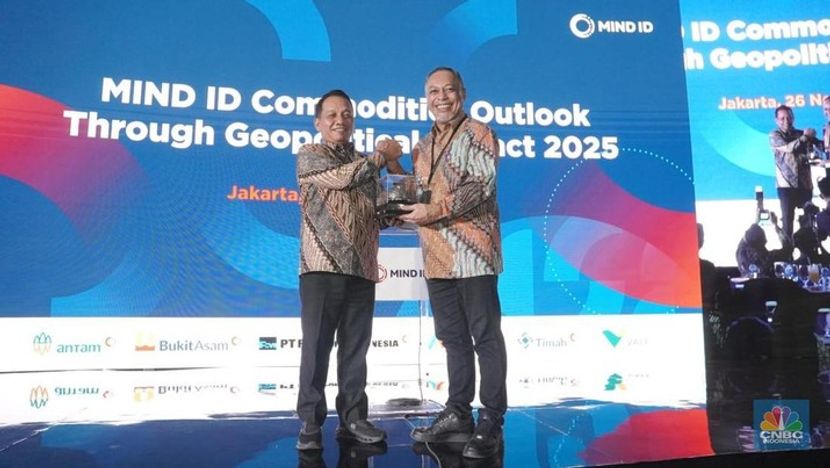
Indonesia's 267 trillion rupiah mineral downstream investment requires 5 gigawatts of electricity
Mining holding company MIND ID plans to invest 267 trillion rupiah to support downstream projects of its four members until 2029, a budget that has been planned for some time. The product director stated that the projects require a large amount of energy, with at least 5 gigawatts of electricity needed by 2029. However, this demand is not included in PLN's power supply plan, so the company will have to build its own power plants, not to mention supporting needs such as roads and housing. Taking the bauxite downstream project in West Kalimantan as an example, although production is limited, it has already boosted local per capita GDP to double digits, benefiting restaurants, boarding houses, etc., and can drive regional economic growth in the future. If entirely borne by the company, the burden would be too heavy, requiring cooperation from all parties to support President Prabowo's downstream plan. Currently, the government wants to strengthen downstream development but lacks electricity, making the provision of primary energy a top priority for industrial planning.
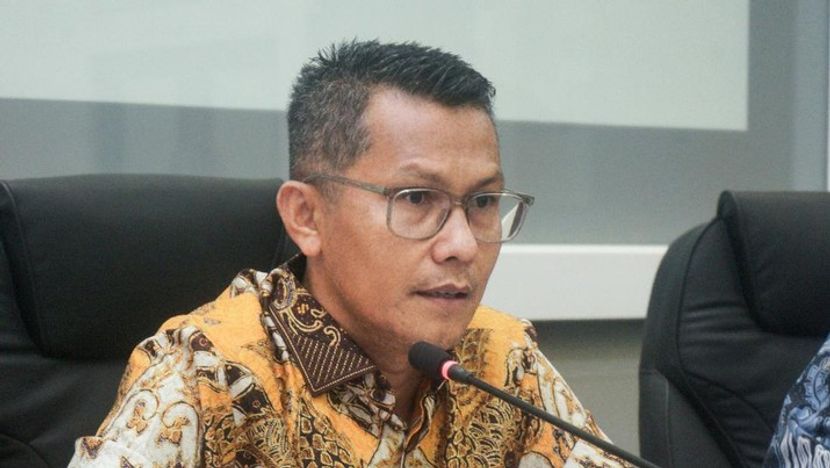
17 Indonesian companies ready to become Apple suppliers
The Ministry of Industry expects domestic companies to integrate into Apple's global supply chain, with about 17 domestic companies ready to enter Apple's value chain, covering components such as chargers and LEDs. At the same time, the government is advancing research on digital development related to Industry 4.0 and has proposed to Apple to help drive the digital transformation of Indonesia's manufacturing sector in order to achieve an 8% economic growth target. Recently, the Ministry of Industry received a $100 million investment proposal from Apple for the next two years to build a factory for AirPods Max headphone bearing components, which is related to Apple's efforts to persuade the Indonesian government to lift the ban on the iPhone 16 series. Currently, the government is considering whether the proposal is fair, comparing Apple's investments in Indonesia with those in Vietnam, India, and other countries, as well as other smartphone manufacturers. In addition, Indonesia hopes that Apple will build factories to create added value and absorb labor, rather than just using Indonesia as a product sales market.
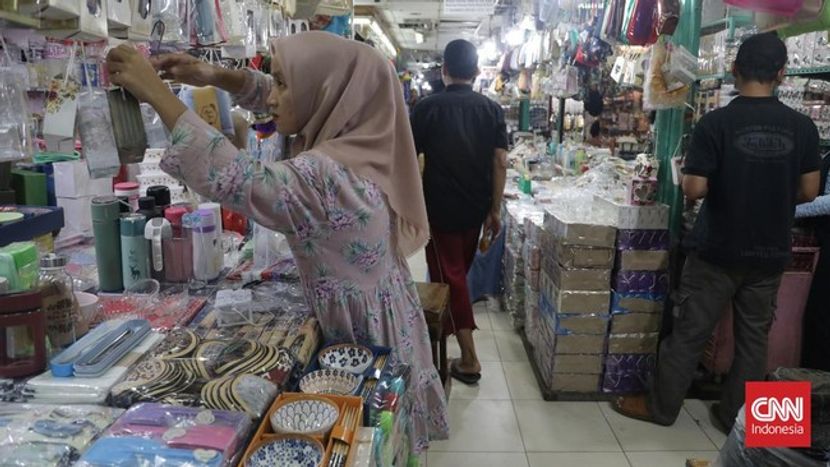
The average annual expenditure of Indonesian residents this year is 12.34 million rupiah
Data from the Central Statistics Agency shows that the average real expenditure of Indonesia's population in 2024 will be 12.34 million rupiah per person per year, representing a considerable increase compared to 2023. Indonesian people's expenditure increased by 442,000 rupiah, or 3.71%. In fact, the growth rate in 2024 is the highest compared to the average level in recent years. This increase is higher than the average growth rate (per capita real expenditure) during the 2020-2023 period, which was only 2.61%. In 2023, the average annual expenditure of Indonesian citizens was only 11.89 million rupiah, which was an improvement over the previous year.
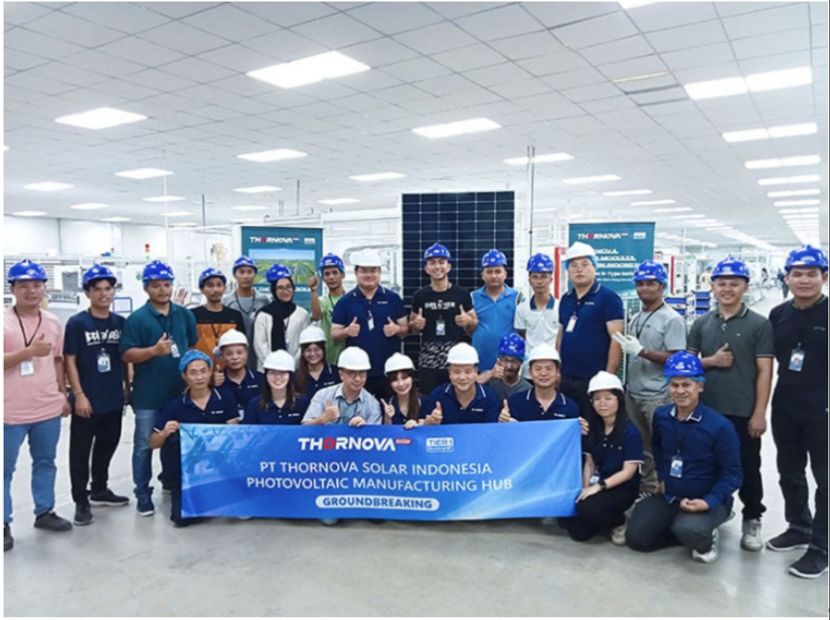
Indonesia is Becoming a Hub for Photovoltaic Production Capacity
The photovoltaic cell and module production line at the Yuncheng Photovoltaic Indonesia factory has officially commenced operations, with a nameplate capacity of 2.5GW each, capable of producing PERC and n-type products. Its CEO stated that the United States is an important market, and by mid-2025, American customers will be able to purchase products from Indonesia, Laos, or the United States, with US-made modules available by early 2026. The Batam battery factory utilizes 5G technology and automated logistics, starting operations in September 2024, and is already meeting customer demand for advanced solar technology. Indonesia is becoming a new hotspot for photovoltaic production capacity. A 5GW ingot-to-module factory in Central Java started construction in September 2024, with Phase I expected to be completed in Q2 2025
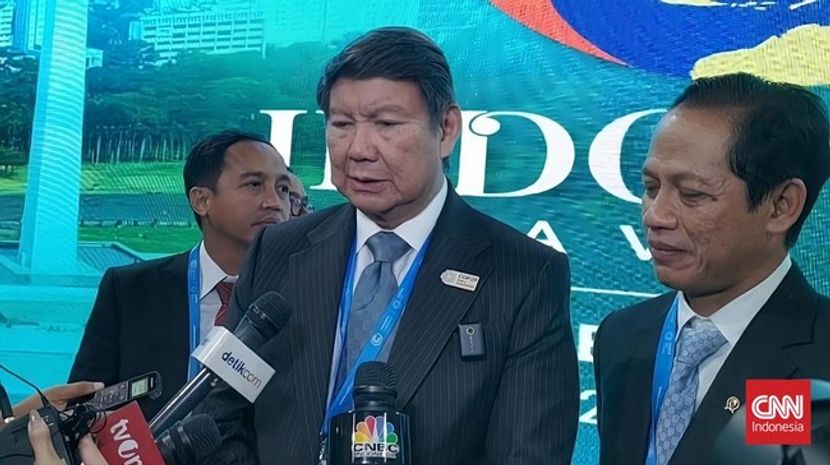
Indonesia's Nuclear Power Plant Plan to be Located in Western Regions
The Indonesian government is selecting sites in western regions and elsewhere for nuclear power plants. Last year, the parliament confirmed nuclear energy as a new energy option, and the Prabowo government will advance it. Plans include nuclear plants of various capacities, with large 1-2 GW plants in the west and small modular reactors (SMRs) to serve small industries. Previously abandoned due to the rise of renewable energy, the nuclear plan has been revived now due to energy demand and geopolitical factors. Discussions stalled during the Susilo era are being reconsidered. According to the national energy policy, the first nuclear plant will operate in 2032 with a capacity of 250 MW, falling under SMR category, with construction taking about 5 years, while large plants will need 7-10 years. Indonesia's nuclear power development is progressing steadily.