
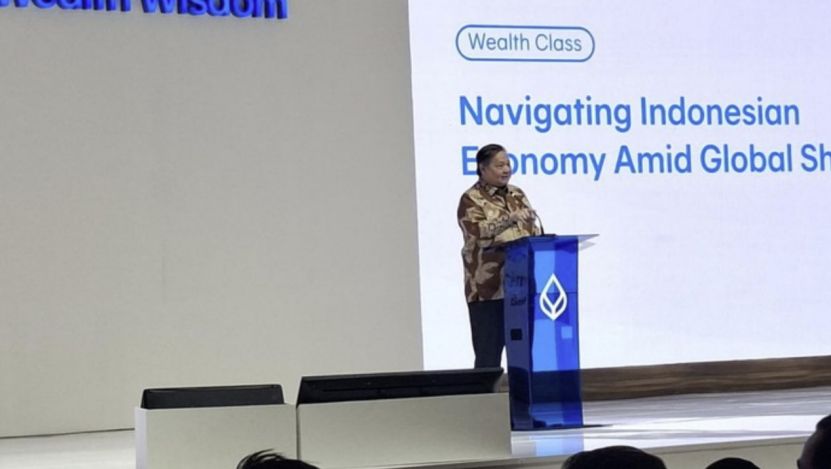
Indonesia's H1 Investment Exceeds IDR 942 Trillion
The Coordinating Minister for Economic Affairs recently announced at the "Navigating Indonesia's Economy Amid Global Shifts" forum that the national investment value for the first half of 2025 reached IDR 942 trillion, a year-on-year increase of 13.6%. The data confirms the critical role of investment in job creation and economic growth. Despite heightened global economic uncertainty, Indonesia maintained GDP growth of 5.12% in the second quarter, standing out among G20 countries. The Jakarta Composite Index even hit a record high, reflecting international capital confidence. He revealed, following discussions with the Investment Minister and Head of the Investment Coordinating Board, that the third quarter
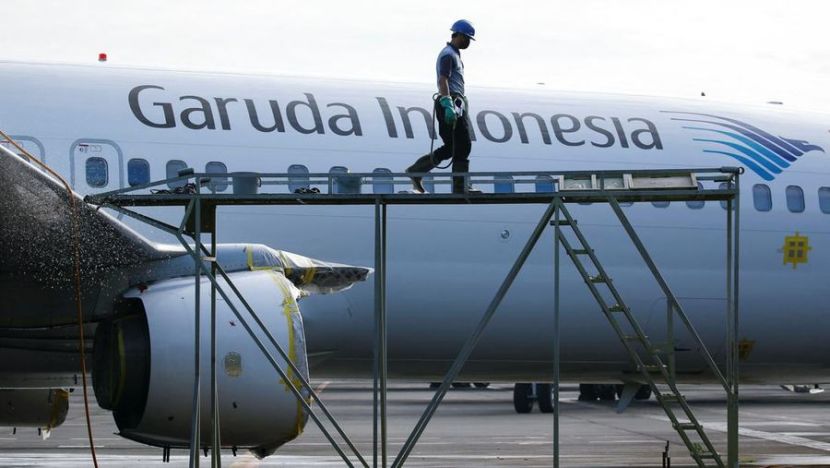
Indonesian Government Injects IDR 30 Trillion into Garuda Indonesia for Financial Restructuring
Indonesia Plans to Invest $10 Billion in the Next Three Months
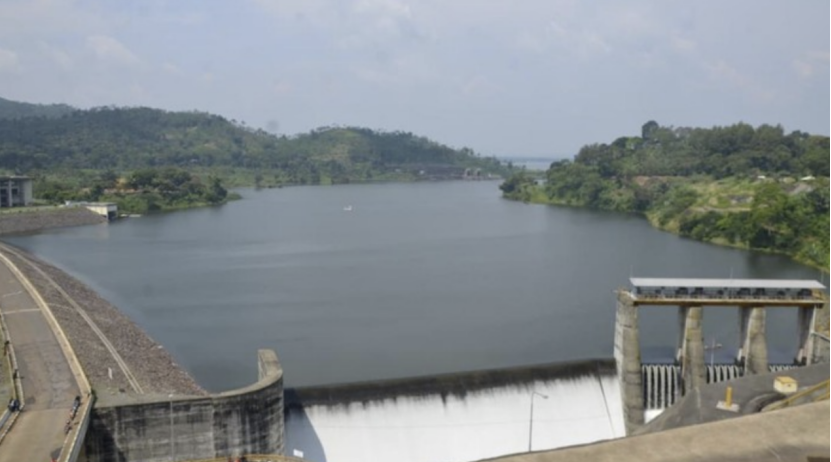
West Java Floating Solar Power Plant Officially Under Construction
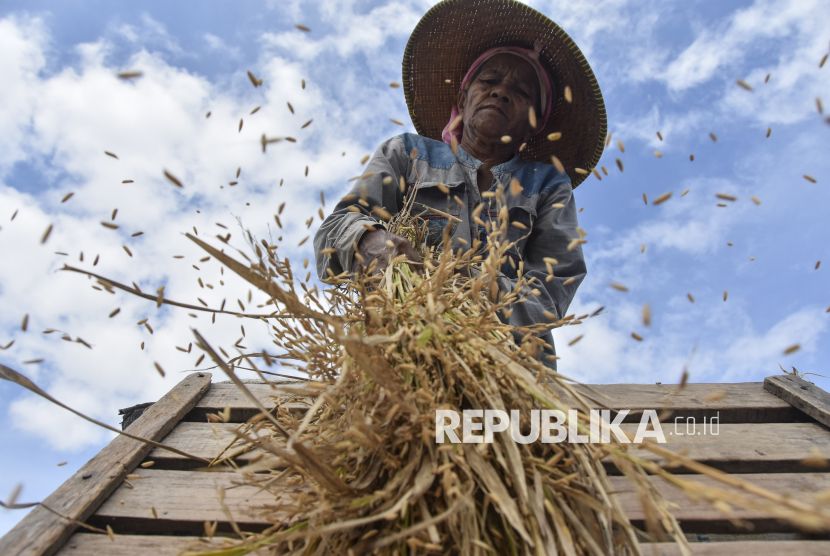
China-Indonesia Cooperation to Boost Rice Production Development

Surge in Indonesia's Crude Oil Exports to China Raises Questions
According to Chinese customs data for August 2025, Indonesia's crude oil exports to China surged to 2.7 million tons (approximately 630,000 barrels per day), far exceeding Indonesia's domestic daily production of 580,000 barrels and the total exports of 1.3 million tons from January to July. After four tankers docked at non-major oil ports in Batam, they conducted ship-to-ship transfers near Johor, Malaysia, with draft changes indicating they were not loaded with Indonesian crude. At the same time, this batch of "Indonesian crude" was USD 11 per barrel cheaper than Saudi crude, consistent with the discount characteristics of Iranian crude. China has not officially reported Iranian crude imports since mid-2022,
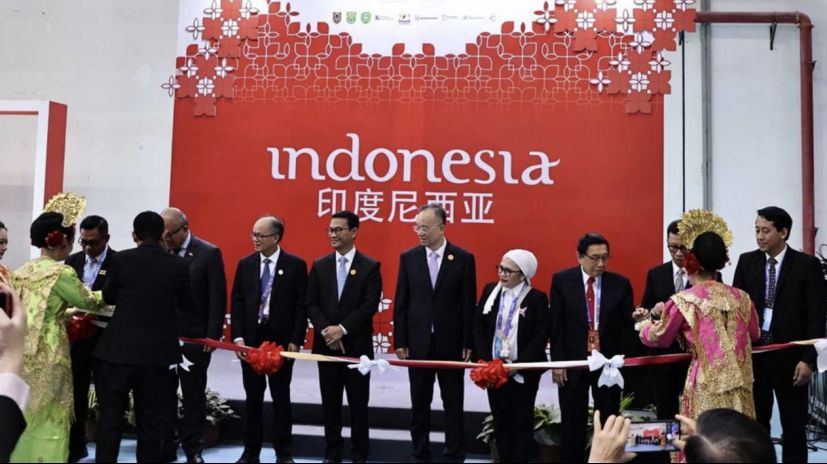
Indonesia Secures US$70.2 Million in Transactions at China-ASEAN Expo
The Indonesian Ministry of Trade recently announced that it achieved a potential transaction value of US$70.2 million at the 22nd China-ASEAN Expo (CAEXPO) and signed 9 strategic Memoranda of Understanding covering trade, investment, education, halal certification, and AI technology development. Its three themed pavilions showcased commodities, regional economic potential, and AI innovations from local tech companies, while the retail goods pavilion achieved US$182,000 in on-site sales. Popular Indonesian products at the expo included coal, palm oil, edible bird's nest, coconut shell charcoal, and coffee. The Director General of National Export Development
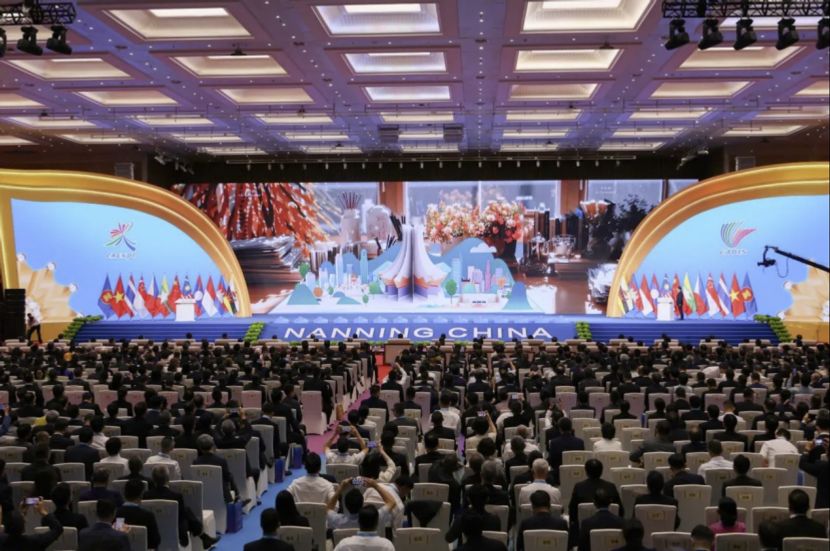
Indonesia and China Deepen Regional Economic and Trade Cooperation
The 22nd China-ASEAN Expo (CAEXPO) was recently held in Nanning, Guangxi (September 17-21, 2025). South Kalimantan Province participated as Indonesia's "City of Charm," promoting the internationalization of the local economy. Liuzhou Vocational and Technical College reached vocational education cooperation with Universitas Lambung Mangkurat, and Guangxi Kehong Company signed an MOU on agriculture with Indonesia's CV Menata Citra Selaras. Both sides focus on new energy, green industry, and agricultural product processing (including the palm oil industry chain), exploring cross-border industrial chain construction and investment

Indonesian Ambassador Says China-Indonesia Economic and Trade Cooperation Has Bright Prospects
2025 marks the 75th anniversary of the establishment of diplomatic relations between China and Indonesia. Indonesian Ambassador to China Djauhari Oratmangun recently stated that economic and trade cooperation between Indonesia and China continues to improve with broad prospects. Indonesia welcomes high-quality investments from Chinese companies in sectors such as mining, agriculture and fisheries, digital trade, and smart logistics. He expressed that Indonesia looks forward to achieving fair, inclusive, and sustainable economic growth, with China being a crucial partner. During an interview, he quoted the Chinese idiom “同舟共济” (helping each other in the same boat) to describe the China-Indonesia relationship: “We are in the same boat, and our river keeps changing. If we row in rhythm, we will reach the eternal shore."
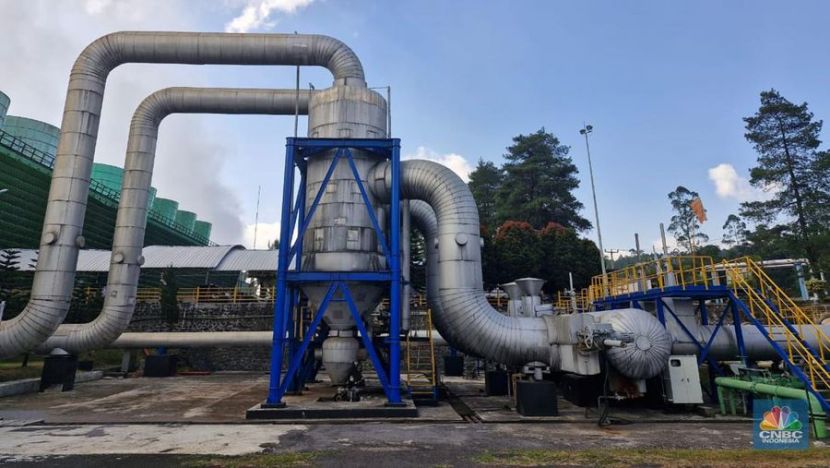
Indonesia to Become World's Largest Geothermal Energy Producer within 5 Years
The Ministry of Energy and Mineral Resources recently announced its target to surpass the United States as the world's largest user of geothermal energy within 5 years. Currently, Indonesia's geothermal power installed capacity is 2.71 GW, ranking second globally; while the US ranks first with 3.6 GW installed capacity. The short-term target is to add 1 GW of installed capacity within 5 years, reaching a total of 3.71 GW to overtake the US; the long-term 10-year target is to increase total installed capacity to 5.2 GW (based on the 2025-2034 Electricity Supply General Plan). The government has shortened the development permit process for Geothermal Working Areas (WK

Indonesia's Waste-to-Energy Projects Face Financial and Technical Challenges
The Indonesian government plans to build waste-to-energy (WtE) plants in 33 provinces nationwide to address urban waste issues and increase green energy supply. The total investment for this project is estimated at 300 trillion rupiah, with funding primarily coming from the state investment management agency (Danantara). The Coordinating Minister for Economic Affairs confirmed the project will be fully funded by Danantara, though the Finance Minister previously stated it might use the state budget (APBN). Additionally, local governments must provide land and ensure a 20-year waste supply. The current waste treatment rate is only 60%, with 40% still being discarded indiscriminately; 70% of Indonesia's waste is high-moisture organic waste requiring pretreatment, increasing costs; meanwhile, waste-to-energy generation costs (5–13 million USD per plant) are higher than solar/hydroelectric power. UGM scholars point out that if waste management responsibility is shifted to developers, it will become economically unfeasible; IESR emphasizes that dozens of facilities must be built simultaneously to achieve the 2029 'zero waste' target; Celios notes that waste sorting and transportation costs may drive up electricity prices. The government is currently revising presidential regulations, aiming to abolish waste processing fees paid by local governments and have developers assume the risk instead. Analysts believe that if poorly planned, this project could become a new financial burden on the state.

Chinese Investor Deported for Illegally Trading Palm Oil Fruits
The Kotabumi Immigration Office in Lampung Province recently deported a Chinese investor working for a local company. He was found to have illegally engaged in private trading of palm oil fruits while the company was suspended. He held a company investment residence permit (limited to business visits and investment activities), but an investigation revealed that he conducted palm oil fruit trading during the company's shutdown from July to August 2025. The local immigration office had earlier received public reports. The immigration intelligence team confirmed that the company had been suspended for two months, subsequently issued a deportation order, and repatriated him via Jakarta's Soekarno-Hatta Airport. The immigration