
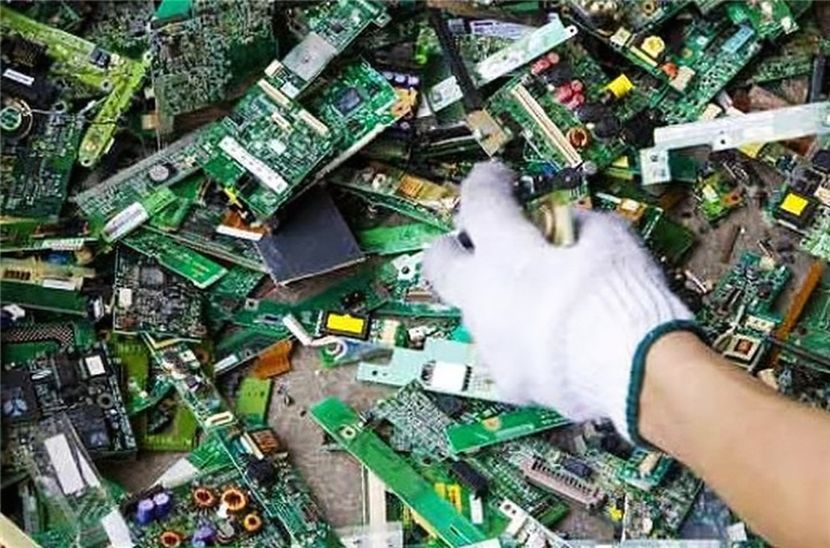
 On July 26, the Indonesian Minister of Trade led the special task force for rectifying illegal imports and sealed a warehouse in North Jakarta. The suspected illegally imported products in this warehouse have a value of up to 40 billion Indonesian rupiah, approximately 20 million RMB. The products include:
Mobile phones and tablets worth 2.7 billion IDR, approximately 1.35 million RMB
Clothing and garments worth 20 billion IDR, approximately 10 million RMB
Electronic products worth 12.3 billion IDR, approximately 6.15 million RMB
Children's toys worth 5 billion IDR, approximately 250,000 RMB
Indonesian Trade Minister Hasan stated that the importer of this warehouse is a foreigner who rented the warehouse, packaged the goods, and sold them online. This method not only affects national tax revenue but also harms Indonesia's local industries. The special task force has received many reports, and it is said that each province has 30-40 such large warehouses supplying e-commerce platforms. Warehouse owners must also be cautious and not rent warehouses to companies engaged in illegal business.
The Indonesian Trade Minister demanded that the illegal import task force conduct an in-depth investigation and take decisive action, not just destroying samples but destroying all goods to serve as a deterrent.
At the same time, the Indonesian Trade Minister will report the final investigation results to President Joko Widodo and will work together with the Attorney General, the National Police Chief, and the Minister of Finance to explore the root causes of issues related to imported goods and seek practical solutions.
The Indonesian government, in collaboration with 11 ministries and institutions, established the special task force for rectifying illegal imports on July 19. It is expected to conduct a joint large-scale inspection for six months, targeting importers and distributors. The regulated industries include textiles, electronic products, footwear, clothing, ceramics, and cosmetics. The inspection will cover business licenses, product certifications, and tax payment status of practitioners.
It seems that the Indonesian government is taking this action seriously, which has a significant impact on e-commerce and trade practitioners in Indonesia. Many related companies have chosen to suspend operations to avoid the inspection turmoil. At the same time, this also prompts practitioners to rethink and reposition their business strategies in the Indonesian market, moving away from the past model of arbitrage and low-price competition, adhering to long-termism, maintaining compliance and legal operations, building local supply chains, and jointly maintaining market order. This is the long-term solution.
On July 26, the Indonesian Minister of Trade led the special task force for rectifying illegal imports and sealed a warehouse in North Jakarta. The suspected illegally imported products in this warehouse have a value of up to 40 billion Indonesian rupiah, approximately 20 million RMB. The products include:
Mobile phones and tablets worth 2.7 billion IDR, approximately 1.35 million RMB
Clothing and garments worth 20 billion IDR, approximately 10 million RMB
Electronic products worth 12.3 billion IDR, approximately 6.15 million RMB
Children's toys worth 5 billion IDR, approximately 250,000 RMB
Indonesian Trade Minister Hasan stated that the importer of this warehouse is a foreigner who rented the warehouse, packaged the goods, and sold them online. This method not only affects national tax revenue but also harms Indonesia's local industries. The special task force has received many reports, and it is said that each province has 30-40 such large warehouses supplying e-commerce platforms. Warehouse owners must also be cautious and not rent warehouses to companies engaged in illegal business.
The Indonesian Trade Minister demanded that the illegal import task force conduct an in-depth investigation and take decisive action, not just destroying samples but destroying all goods to serve as a deterrent.
At the same time, the Indonesian Trade Minister will report the final investigation results to President Joko Widodo and will work together with the Attorney General, the National Police Chief, and the Minister of Finance to explore the root causes of issues related to imported goods and seek practical solutions.
The Indonesian government, in collaboration with 11 ministries and institutions, established the special task force for rectifying illegal imports on July 19. It is expected to conduct a joint large-scale inspection for six months, targeting importers and distributors. The regulated industries include textiles, electronic products, footwear, clothing, ceramics, and cosmetics. The inspection will cover business licenses, product certifications, and tax payment status of practitioners.
It seems that the Indonesian government is taking this action seriously, which has a significant impact on e-commerce and trade practitioners in Indonesia. Many related companies have chosen to suspend operations to avoid the inspection turmoil. At the same time, this also prompts practitioners to rethink and reposition their business strategies in the Indonesian market, moving away from the past model of arbitrage and low-price competition, adhering to long-termism, maintaining compliance and legal operations, building local supply chains, and jointly maintaining market order. This is the long-term solution.
Illegal Import Goods Worth 40 Billion IDR Seized
www.indoent.com
2024-07-29
On July 26, the Indonesian Minister of Trade led the special task force for rectifying illegal imports and sealed a warehouse in North Jakarta. The suspected illegally imported products in this warehouse have a value of up to 40 billion Indonesian rupiah, approximately 20 million RMB. The products include: Mobile phones and tablets worth 2.7 billion IDR, approximately 1.35 million RMB Clothing and garments worth 20 billion IDR, approximately 10 million RMB Electronic products worth 12.3 billion IDR, approximately 6.15 million RMB
On July 26, the Indonesian Minister of Trade led the special task force for rectifying illegal imports and sealed a warehouse in North Jakarta. The suspected illegally imported products in this warehouse have a value of up to 40 billion Indonesian rupiah, approximately 20 million RMB. The products include:
Mobile phones and tablets worth 2.7 billion IDR, approximately 1.35 million RMB
Clothing and garments worth 20 billion IDR, approximately 10 million RMB
Electronic products worth 12.3 billion IDR, approximately 6.15 million RMB
Children's toys worth 5 billion IDR, approximately 250,000 RMB
Indonesian Trade Minister Hasan stated that the importer of this warehouse is a foreigner who rented the warehouse, packaged the goods, and sold them online. This method not only affects national tax revenue but also harms Indonesia's local industries. The special task force has received many reports, and it is said that each province has 30-40 such large warehouses supplying e-commerce platforms. Warehouse owners must also be cautious and not rent warehouses to companies engaged in illegal business.
The Indonesian Trade Minister demanded that the illegal import task force conduct an in-depth investigation and take decisive action, not just destroying samples but destroying all goods to serve as a deterrent.
At the same time, the Indonesian Trade Minister will report the final investigation results to President Joko Widodo and will work together with the Attorney General, the National Police Chief, and the Minister of Finance to explore the root causes of issues related to imported goods and seek practical solutions.
The Indonesian government, in collaboration with 11 ministries and institutions, established the special task force for rectifying illegal imports on July 19. It is expected to conduct a joint large-scale inspection for six months, targeting importers and distributors. The regulated industries include textiles, electronic products, footwear, clothing, ceramics, and cosmetics. The inspection will cover business licenses, product certifications, and tax payment status of practitioners.
It seems that the Indonesian government is taking this action seriously, which has a significant impact on e-commerce and trade practitioners in Indonesia. Many related companies have chosen to suspend operations to avoid the inspection turmoil. At the same time, this also prompts practitioners to rethink and reposition their business strategies in the Indonesian market, moving away from the past model of arbitrage and low-price competition, adhering to long-termism, maintaining compliance and legal operations, building local supply chains, and jointly maintaining market order. This is the long-term solution.
Tags
Social Dynamics
Share to


