
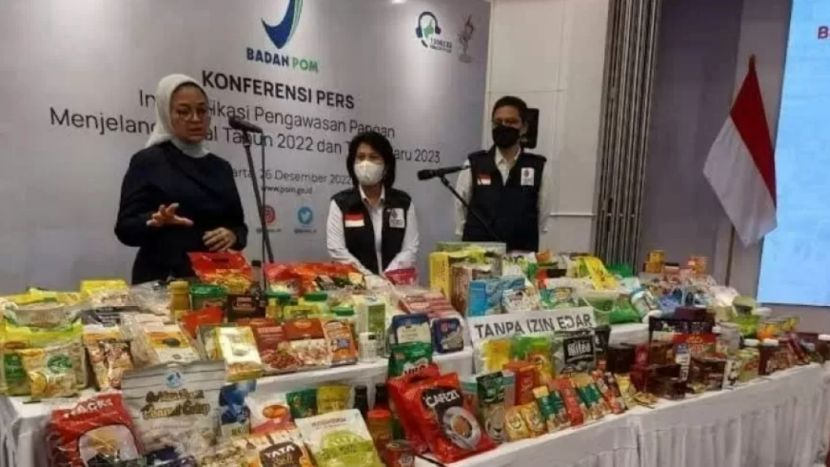
 The Indonesian Consumer Foundation (YLKI) urges the public to be vigilant against illegal food and beverage products from China, as these products can harm people's health. A YLKI researcher stated that people must be more careful when purchasing food, and one way is to check the distribution permit from the Food and Drug Monitoring Agency (BPOM) to avoid buying illegal food. He called on consumers not to buy food or beverages without a BPOM distribution permit. He highlighted numerous health problem cases caused by illegal food from China in recent decades, due to frequent quality and safety issues in such illegal food products. For example, in May 2024, six students in Sukabumi experienced dizziness, nausea, and vomiting after purchasing spicy snack products from a Chinese brand. A similar case occurred in South Sumatra, where 18 students experienced headaches and bloating after eating soft candy snacks from China.
A recent case found cooking oil from China mixed with fuel, which occurred because tankers deliberately did not clean out fuel residue when transporting cooking oil to reduce costs. He suggested people consume more local products, as the quality of local food and beverage products is superior to that of foreign products like those from China, and in fact, local products are safer. The Singapore Food Agency (SFA) stopped selling Chinese imported peanut products in 500g and 1kg packages in May 2024, as the recalled products contained high levels of artificial sweeteners cyclamate and acesulfame potassium exceeding safety limits. The biggest food scandal in China was the 2008 milk scandal, where several Chinese milk producers were found to contain the chemical melamine. This case involved 300,000 victims, of which 54,000 were hospitalized, and six infants died from kidney failure, leading to low public trust in dairy products.
The Indonesian Consumer Foundation (YLKI) urges the public to be vigilant against illegal food and beverage products from China, as these products can harm people's health. A YLKI researcher stated that people must be more careful when purchasing food, and one way is to check the distribution permit from the Food and Drug Monitoring Agency (BPOM) to avoid buying illegal food. He called on consumers not to buy food or beverages without a BPOM distribution permit. He highlighted numerous health problem cases caused by illegal food from China in recent decades, due to frequent quality and safety issues in such illegal food products. For example, in May 2024, six students in Sukabumi experienced dizziness, nausea, and vomiting after purchasing spicy snack products from a Chinese brand. A similar case occurred in South Sumatra, where 18 students experienced headaches and bloating after eating soft candy snacks from China.
A recent case found cooking oil from China mixed with fuel, which occurred because tankers deliberately did not clean out fuel residue when transporting cooking oil to reduce costs. He suggested people consume more local products, as the quality of local food and beverage products is superior to that of foreign products like those from China, and in fact, local products are safer. The Singapore Food Agency (SFA) stopped selling Chinese imported peanut products in 500g and 1kg packages in May 2024, as the recalled products contained high levels of artificial sweeteners cyclamate and acesulfame potassium exceeding safety limits. The biggest food scandal in China was the 2008 milk scandal, where several Chinese milk producers were found to contain the chemical melamine. This case involved 300,000 victims, of which 54,000 were hospitalized, and six infants died from kidney failure, leading to low public trust in dairy products.
YLKI Urges Consumers to Beware of Illegal Imported Food from China
www.indoent.com
2024-08-11
The Indonesian Consumer Foundation (YLKI) urges the public to be vigilant against illegal food and beverage products from China, as these products can harm people's health. A YLKI researcher stated that people must be more careful when purchasing food, and one way is to check the distribution permit from the Food and Drug Monitoring Agency (BPOM) to avoid buying illegal food. He called on consumers not to buy food or beverages without a BPOM distribution permit. He highlighted numerous health problem cases caused by illegal food from China in recent decades, due to frequent quality and safety issues in such illegal food products.
The Indonesian Consumer Foundation (YLKI) urges the public to be vigilant against illegal food and beverage products from China, as these products can harm people's health. A YLKI researcher stated that people must be more careful when purchasing food, and one way is to check the distribution permit from the Food and Drug Monitoring Agency (BPOM) to avoid buying illegal food. He called on consumers not to buy food or beverages without a BPOM distribution permit. He highlighted numerous health problem cases caused by illegal food from China in recent decades, due to frequent quality and safety issues in such illegal food products. For example, in May 2024, six students in Sukabumi experienced dizziness, nausea, and vomiting after purchasing spicy snack products from a Chinese brand. A similar case occurred in South Sumatra, where 18 students experienced headaches and bloating after eating soft candy snacks from China.
A recent case found cooking oil from China mixed with fuel, which occurred because tankers deliberately did not clean out fuel residue when transporting cooking oil to reduce costs. He suggested people consume more local products, as the quality of local food and beverage products is superior to that of foreign products like those from China, and in fact, local products are safer. The Singapore Food Agency (SFA) stopped selling Chinese imported peanut products in 500g and 1kg packages in May 2024, as the recalled products contained high levels of artificial sweeteners cyclamate and acesulfame potassium exceeding safety limits. The biggest food scandal in China was the 2008 milk scandal, where several Chinese milk producers were found to contain the chemical melamine. This case involved 300,000 victims, of which 54,000 were hospitalized, and six infants died from kidney failure, leading to low public trust in dairy products.
Tags
Social Updates
Share to


