
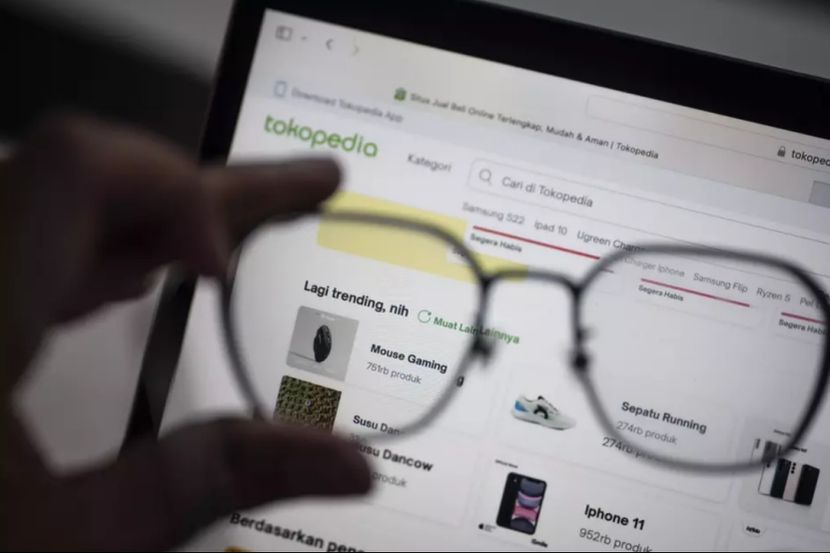
 The Executive Director of CELIOS explained that e-commerce products imported through distributors and cross-border channels have increased significantly, posing a threat to local producers. According to CELIOS data, total e-commerce imports soared from 6.1 million items in 2017 to 100 million items in 2022. The increase in e-commerce import packages indicates the expansion of imports from China in the online market. In addition, there are signs of large-scale piracy of local products, especially Muslim clothing and accessories. Multiple policy options are needed to control the increase in e-commerce imports from China, one of which is implementing non-tariff barrier policies, SNI, halal certification, and other certifications as effective import barriers.
The government needs to strengthen supervision of cross-border dumping practices, as imported goods are cheaper than in the country of origin. This requires concrete evidence, because proving dumping involves additional work. For MSMEs, producers entering e-commerce platforms need to continuously improve the competitiveness of local products by integrating with all MSME digitalization programs. Then there is the creation of aggregators, and a 0% KUR program for business participants. The government has taken several measures to encourage local businesses to participate in e-commerce, one of which is prohibiting promotions and discounts on imported products that have local substitutes. KPPU needs to conduct stricter supervision and impose severe sanctions on unfair business competition practices, then monitor the use of personal data, e-commerce and social commerce algorithms by third parties, protect the copyright of local producers, and prevent the distribution of counterfeit/imitation goods on platforms.
The Executive Director of CELIOS explained that e-commerce products imported through distributors and cross-border channels have increased significantly, posing a threat to local producers. According to CELIOS data, total e-commerce imports soared from 6.1 million items in 2017 to 100 million items in 2022. The increase in e-commerce import packages indicates the expansion of imports from China in the online market. In addition, there are signs of large-scale piracy of local products, especially Muslim clothing and accessories. Multiple policy options are needed to control the increase in e-commerce imports from China, one of which is implementing non-tariff barrier policies, SNI, halal certification, and other certifications as effective import barriers.
The government needs to strengthen supervision of cross-border dumping practices, as imported goods are cheaper than in the country of origin. This requires concrete evidence, because proving dumping involves additional work. For MSMEs, producers entering e-commerce platforms need to continuously improve the competitiveness of local products by integrating with all MSME digitalization programs. Then there is the creation of aggregators, and a 0% KUR program for business participants. The government has taken several measures to encourage local businesses to participate in e-commerce, one of which is prohibiting promotions and discounts on imported products that have local substitutes. KPPU needs to conduct stricter supervision and impose severe sanctions on unfair business competition practices, then monitor the use of personal data, e-commerce and social commerce algorithms by third parties, protect the copyright of local producers, and prevent the distribution of counterfeit/imitation goods on platforms.
Indonesian Industry Calls for Restrictions on E-commerce Goods Imported from China
www.indoent.com
2024-09-20
The Executive Director of CELIOS explained that e-commerce products imported through distributors and cross-border channels have increased significantly, posing a threat to local producers. According to CELIOS data, total e-commerce imports soared from 6.1 million items in 2017 to 100 million items in 2022. The increase in e-commerce import packages indicates the expansion of imports from China in the online market. In addition, there are signs of large-scale piracy of local products, especially Muslim clothing and accessories. Multiple policy options are needed to control the increase in e-commerce imports from China, one of which is
The Executive Director of CELIOS explained that e-commerce products imported through distributors and cross-border channels have increased significantly, posing a threat to local producers. According to CELIOS data, total e-commerce imports soared from 6.1 million items in 2017 to 100 million items in 2022. The increase in e-commerce import packages indicates the expansion of imports from China in the online market. In addition, there are signs of large-scale piracy of local products, especially Muslim clothing and accessories. Multiple policy options are needed to control the increase in e-commerce imports from China, one of which is implementing non-tariff barrier policies, SNI, halal certification, and other certifications as effective import barriers.
The government needs to strengthen supervision of cross-border dumping practices, as imported goods are cheaper than in the country of origin. This requires concrete evidence, because proving dumping involves additional work. For MSMEs, producers entering e-commerce platforms need to continuously improve the competitiveness of local products by integrating with all MSME digitalization programs. Then there is the creation of aggregators, and a 0% KUR program for business participants. The government has taken several measures to encourage local businesses to participate in e-commerce, one of which is prohibiting promotions and discounts on imported products that have local substitutes. KPPU needs to conduct stricter supervision and impose severe sanctions on unfair business competition practices, then monitor the use of personal data, e-commerce and social commerce algorithms by third parties, protect the copyright of local producers, and prevent the distribution of counterfeit/imitation goods on platforms.
Tags
Social Trends
Share to


