
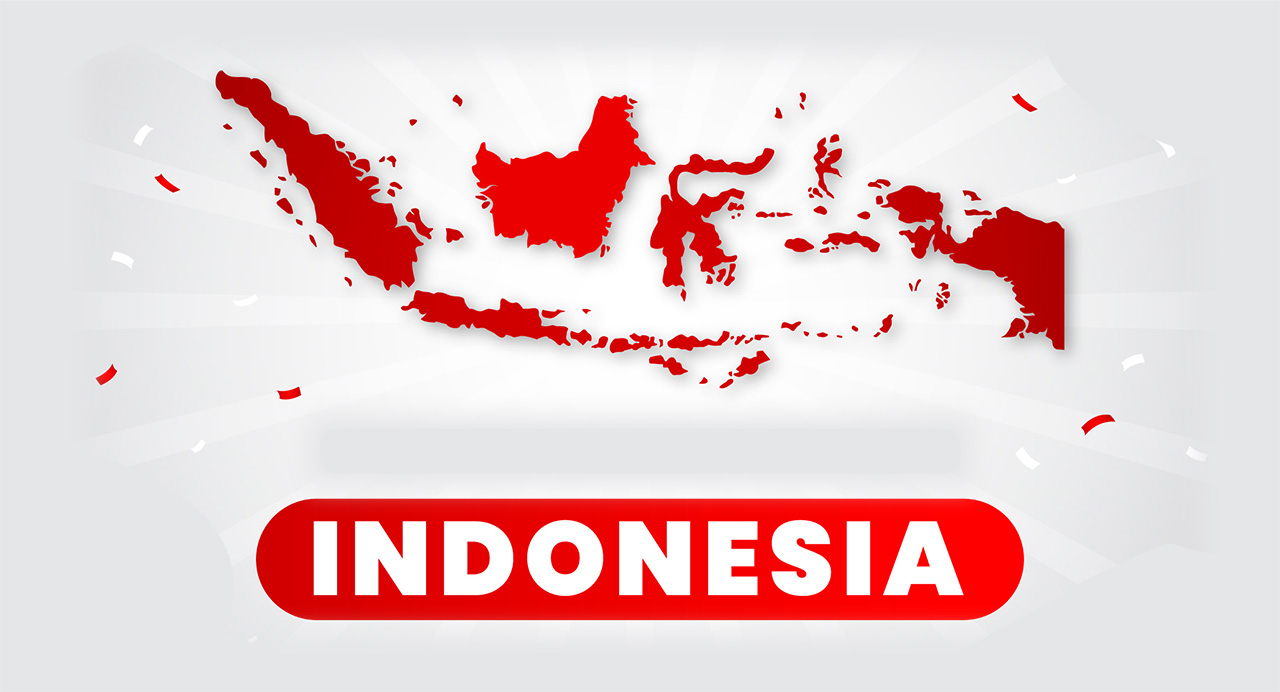
 I. Indonesia's Industrialization Journey:
In 1967, Indonesia experienced a government change when the military intervened, and the government under President Suharto became strong, thus starting the industrialization process. Indonesia imposed high tariff protection on textiles. In 1967, textile production was 100 million meters per year, and by 1980, this output had increased 100 times in ten years to 10 billion meters per year, transforming from an importer to an exporter. Major investment came from Japan, which introduced technology to Indonesia by selling machinery and equipment, covering everything from weaving to finished products. Subsequently, the housing construction industry, food industry, food processing, and transportation sectors also developed rapidly. At that time, Indonesia achieved rice self-sufficiency, changing from an importer to an exporter. Automobile manufacturing, especially parts production, also grew rapidly, mainly due to Indonesia's cheap labor and large population base, with high demand for motor vehicles, especially motorcycles and small cars.
This led Toyota, Honda, and Daihatsu to make large-scale investments in Indonesia. These brands entered Indonesia in the 1970s, so the 1970s and 1980s were the golden period of Indonesian industry, with significant development of domestic products. In 1989, the government began to propose the establishment of industrial estates to accommodate the relocation of companies, mainly from Japan, as Japan was experiencing a currency crisis and the yen was affected. Therefore, from the 1990s, Japan's economy stagnated, and manufacturing needed to move abroad, with Southeast Asia, especially Indonesia, Thailand, and Malaysia, becoming primary targets. Starting in 1989, especially in the Bekasi and Karawang areas, the Jababeka Industrial Estate became a pioneer. Since then, with the influx of foreign direct investment, Indonesia's industrialization accelerated. The 1997 Asian financial crisis erupted, leading to the fall of the Suharto regime, and the authoritarian government transformed into a democratic one, implementing reforms. Suharto ruled for 32 years. From 1998, presidents began to change frequently: Habibie served for one year, Wahid for one year, Megawati for three years, then Susilo for ten years, and Jokowi for ten years. Thus, within less than 20 years, Indonesia had five presidents, whereas in the previous nearly 50 years, there were only two presidents from Sukarno to Suharto.
With these changes, the industrialization process was affected, investment decreased because protection measures were lifted, and Indonesia had joined the WTO and could no longer protect its domestic industries. At the same time, China rose, Vietnam emerged, and goods from China flooded into Indonesia, gradually reducing the competitiveness of Indonesian industry, especially the textile industry, which began to collapse due to a lack of funds to purchase new machinery and technology.
II. Opportunities for Chinese Enterprises in Indonesia
After 2000, due to changes in the political system and foreign investors' concerns about Indonesia's political instability, investment declined, except for South Korea. South Korea also faced problems like Japan in 2000 and thus made large-scale investments in Indonesia, with four to five times more factories entering Indonesia than Japan. This greatly benefited industrial estates in Bekasi and Karawang from South Korean investment. However, in the automotive sector, Japan still had strong distribution centers and continued to increase capacity. At this time, Indonesia's focus was no longer on the production of food, clothing, and housing, but on infrastructure development. Infrastructure development led to a slowdown in industrialization but prepared for a new wave of investment. After the Belt and Road Initiative entered Indonesia in 2013, President Jokowi became the most suitable leader because he promoted infrastructure development to prepare for re-industrialization. Without improving infrastructure, Indonesia's competitiveness would be weak, and industrialization could not be achieved. At the same time, this provided opportunities for countries wishing to relocate their factories, such as China, which now faces a situation similar to Japan in the 1990s and South Korea in the 2000s, so Indonesia is the most prepared in terms of infrastructure.
III. How to Enter Indonesia with Low Risk
Now Indonesia has become a more mature democracy, and the way to enter the market is different from the past. 25 years ago, as long as you dealt with the central government, things could be resolved; now, you need to communicate with governments at all levels, including district, provincial, and central governments. Therefore, entering the Indonesian market requires a partner, unless you are a large enterprise like Tsingshan Group, but even Tsingshan has partners in Indonesia. To invest in Indonesia, you must have a suitable partner.
Good partners can be provided by the government in special economic zones or industrial estates, which can serve as partners for small and medium-sized enterprises. For very large enterprises, they can actually build their own industrial zones, but for medium to large enterprises, it is best to enter industrial estates to obtain legal protection and complete infrastructure, just like other modern cities. These are all within special economic zones. Therefore, for foreign companies wanting to enter Indonesia, although there are difficulties, there are also solutions.
Japanese investors have always sought local partners, and now this need is stronger. Small and medium-sized enterprises do not have the resources of large enterprises, so the simplest way is to buy an existing business or lease first, which is easier, especially starting with trade, which is safer. Through trade, you can build friendships, understand Indonesia's distribution system, culture, how to do business in Indonesia, how to apply for government permits, and understand the Indonesian market. Therefore, the first step to entering Indonesia is trade, which is the safest. Then comes investment. In the investment process, choosing the right partner is very important. An ideal partner should already have distribution channels and customers. This requires time to judge and find the most suitable partner.
IV. Differences in Business Operations among China, Japan, and South Korea in Indonesia
Due to Indonesia's long-standing relationship with Japan, Indonesians have learned that negotiations with Japanese take longer, but once an agreement is reached, the Japanese are very committed and can build long-term relationships. In contrast, experiences with Chinese are different: Chinese make decisions quickly but then change, which makes Indonesians less comfortable. South Korea's cooperative relationships are relatively few because most South Korean enterprises entering Indonesia are large corporations, and their supply chains are protected by large companies like Samsung and Hyundai, almost forming their own small communities. As for China, due to less experience, but with over 1,000 years of coexistence with Chinese Indonesians, there is already a certain understanding.
Therefore, Chinese Indonesians have become an important bridge for Chinese companies entering Indonesia. Many of them have intermarried with locals and are considered patriotic Indonesians. However, it is difficult to distinguish them because they look similar, so having an experienced partner in Indonesia is the best way to understand how to do business in Indonesia.
I. Indonesia's Industrialization Journey:
In 1967, Indonesia experienced a government change when the military intervened, and the government under President Suharto became strong, thus starting the industrialization process. Indonesia imposed high tariff protection on textiles. In 1967, textile production was 100 million meters per year, and by 1980, this output had increased 100 times in ten years to 10 billion meters per year, transforming from an importer to an exporter. Major investment came from Japan, which introduced technology to Indonesia by selling machinery and equipment, covering everything from weaving to finished products. Subsequently, the housing construction industry, food industry, food processing, and transportation sectors also developed rapidly. At that time, Indonesia achieved rice self-sufficiency, changing from an importer to an exporter. Automobile manufacturing, especially parts production, also grew rapidly, mainly due to Indonesia's cheap labor and large population base, with high demand for motor vehicles, especially motorcycles and small cars.
This led Toyota, Honda, and Daihatsu to make large-scale investments in Indonesia. These brands entered Indonesia in the 1970s, so the 1970s and 1980s were the golden period of Indonesian industry, with significant development of domestic products. In 1989, the government began to propose the establishment of industrial estates to accommodate the relocation of companies, mainly from Japan, as Japan was experiencing a currency crisis and the yen was affected. Therefore, from the 1990s, Japan's economy stagnated, and manufacturing needed to move abroad, with Southeast Asia, especially Indonesia, Thailand, and Malaysia, becoming primary targets. Starting in 1989, especially in the Bekasi and Karawang areas, the Jababeka Industrial Estate became a pioneer. Since then, with the influx of foreign direct investment, Indonesia's industrialization accelerated. The 1997 Asian financial crisis erupted, leading to the fall of the Suharto regime, and the authoritarian government transformed into a democratic one, implementing reforms. Suharto ruled for 32 years. From 1998, presidents began to change frequently: Habibie served for one year, Wahid for one year, Megawati for three years, then Susilo for ten years, and Jokowi for ten years. Thus, within less than 20 years, Indonesia had five presidents, whereas in the previous nearly 50 years, there were only two presidents from Sukarno to Suharto.
With these changes, the industrialization process was affected, investment decreased because protection measures were lifted, and Indonesia had joined the WTO and could no longer protect its domestic industries. At the same time, China rose, Vietnam emerged, and goods from China flooded into Indonesia, gradually reducing the competitiveness of Indonesian industry, especially the textile industry, which began to collapse due to a lack of funds to purchase new machinery and technology.
II. Opportunities for Chinese Enterprises in Indonesia
After 2000, due to changes in the political system and foreign investors' concerns about Indonesia's political instability, investment declined, except for South Korea. South Korea also faced problems like Japan in 2000 and thus made large-scale investments in Indonesia, with four to five times more factories entering Indonesia than Japan. This greatly benefited industrial estates in Bekasi and Karawang from South Korean investment. However, in the automotive sector, Japan still had strong distribution centers and continued to increase capacity. At this time, Indonesia's focus was no longer on the production of food, clothing, and housing, but on infrastructure development. Infrastructure development led to a slowdown in industrialization but prepared for a new wave of investment. After the Belt and Road Initiative entered Indonesia in 2013, President Jokowi became the most suitable leader because he promoted infrastructure development to prepare for re-industrialization. Without improving infrastructure, Indonesia's competitiveness would be weak, and industrialization could not be achieved. At the same time, this provided opportunities for countries wishing to relocate their factories, such as China, which now faces a situation similar to Japan in the 1990s and South Korea in the 2000s, so Indonesia is the most prepared in terms of infrastructure.
III. How to Enter Indonesia with Low Risk
Now Indonesia has become a more mature democracy, and the way to enter the market is different from the past. 25 years ago, as long as you dealt with the central government, things could be resolved; now, you need to communicate with governments at all levels, including district, provincial, and central governments. Therefore, entering the Indonesian market requires a partner, unless you are a large enterprise like Tsingshan Group, but even Tsingshan has partners in Indonesia. To invest in Indonesia, you must have a suitable partner.
Good partners can be provided by the government in special economic zones or industrial estates, which can serve as partners for small and medium-sized enterprises. For very large enterprises, they can actually build their own industrial zones, but for medium to large enterprises, it is best to enter industrial estates to obtain legal protection and complete infrastructure, just like other modern cities. These are all within special economic zones. Therefore, for foreign companies wanting to enter Indonesia, although there are difficulties, there are also solutions.
Japanese investors have always sought local partners, and now this need is stronger. Small and medium-sized enterprises do not have the resources of large enterprises, so the simplest way is to buy an existing business or lease first, which is easier, especially starting with trade, which is safer. Through trade, you can build friendships, understand Indonesia's distribution system, culture, how to do business in Indonesia, how to apply for government permits, and understand the Indonesian market. Therefore, the first step to entering Indonesia is trade, which is the safest. Then comes investment. In the investment process, choosing the right partner is very important. An ideal partner should already have distribution channels and customers. This requires time to judge and find the most suitable partner.
IV. Differences in Business Operations among China, Japan, and South Korea in Indonesia
Due to Indonesia's long-standing relationship with Japan, Indonesians have learned that negotiations with Japanese take longer, but once an agreement is reached, the Japanese are very committed and can build long-term relationships. In contrast, experiences with Chinese are different: Chinese make decisions quickly but then change, which makes Indonesians less comfortable. South Korea's cooperative relationships are relatively few because most South Korean enterprises entering Indonesia are large corporations, and their supply chains are protected by large companies like Samsung and Hyundai, almost forming their own small communities. As for China, due to less experience, but with over 1,000 years of coexistence with Chinese Indonesians, there is already a certain understanding.
Therefore, Chinese Indonesians have become an important bridge for Chinese companies entering Indonesia. Many of them have intermarried with locals and are considered patriotic Indonesians. However, it is difficult to distinguish them because they look similar, so having an experienced partner in Indonesia is the best way to understand how to do business in Indonesia.
Sutanto: Indonesia's Industrialization, Big Opportunities for Chinese Enterprises
www.indoent.com
2024-10-07
I. Indonesia's Industrialization Journey: In 1967, Indonesia experienced a government change when the military intervened, and the government under President Suharto became strong, thus starting the industrialization process. Indonesia imposed high tariff protection on textiles. In 1967, textile production was 100 million meters per year, and by 1980, this output had increased 100 times in ten years to 10 billion meters per year, transforming from an importer to an exporter. Major investment came from Japan, which introduced technology to Indonesia by selling machinery and equipment, covering everything from weaving to finished products. Subsequently, the housing construction industry, food industry, food processing, and transportation sectors also developed rapidly. At that time, Indonesia achieved rice self-sufficiency, changing from an importer to an exporter. Automobile manufacturing, especially parts production, also grew rapidly, mainly due to Indonesia's cheap labor and large population base, with high demand for motor vehicles, especially motorcycles and small cars.
I. Indonesia's Industrialization Journey:
In 1967, Indonesia experienced a government change when the military intervened, and the government under President Suharto became strong, thus starting the industrialization process. Indonesia imposed high tariff protection on textiles. In 1967, textile production was 100 million meters per year, and by 1980, this output had increased 100 times in ten years to 10 billion meters per year, transforming from an importer to an exporter. Major investment came from Japan, which introduced technology to Indonesia by selling machinery and equipment, covering everything from weaving to finished products. Subsequently, the housing construction industry, food industry, food processing, and transportation sectors also developed rapidly. At that time, Indonesia achieved rice self-sufficiency, changing from an importer to an exporter. Automobile manufacturing, especially parts production, also grew rapidly, mainly due to Indonesia's cheap labor and large population base, with high demand for motor vehicles, especially motorcycles and small cars.
This led Toyota, Honda, and Daihatsu to make large-scale investments in Indonesia. These brands entered Indonesia in the 1970s, so the 1970s and 1980s were the golden period of Indonesian industry, with significant development of domestic products. In 1989, the government began to propose the establishment of industrial estates to accommodate the relocation of companies, mainly from Japan, as Japan was experiencing a currency crisis and the yen was affected. Therefore, from the 1990s, Japan's economy stagnated, and manufacturing needed to move abroad, with Southeast Asia, especially Indonesia, Thailand, and Malaysia, becoming primary targets. Starting in 1989, especially in the Bekasi and Karawang areas, the Jababeka Industrial Estate became a pioneer. Since then, with the influx of foreign direct investment, Indonesia's industrialization accelerated. The 1997 Asian financial crisis erupted, leading to the fall of the Suharto regime, and the authoritarian government transformed into a democratic one, implementing reforms. Suharto ruled for 32 years. From 1998, presidents began to change frequently: Habibie served for one year, Wahid for one year, Megawati for three years, then Susilo for ten years, and Jokowi for ten years. Thus, within less than 20 years, Indonesia had five presidents, whereas in the previous nearly 50 years, there were only two presidents from Sukarno to Suharto.
With these changes, the industrialization process was affected, investment decreased because protection measures were lifted, and Indonesia had joined the WTO and could no longer protect its domestic industries. At the same time, China rose, Vietnam emerged, and goods from China flooded into Indonesia, gradually reducing the competitiveness of Indonesian industry, especially the textile industry, which began to collapse due to a lack of funds to purchase new machinery and technology.
II. Opportunities for Chinese Enterprises in Indonesia
After 2000, due to changes in the political system and foreign investors' concerns about Indonesia's political instability, investment declined, except for South Korea. South Korea also faced problems like Japan in 2000 and thus made large-scale investments in Indonesia, with four to five times more factories entering Indonesia than Japan. This greatly benefited industrial estates in Bekasi and Karawang from South Korean investment. However, in the automotive sector, Japan still had strong distribution centers and continued to increase capacity. At this time, Indonesia's focus was no longer on the production of food, clothing, and housing, but on infrastructure development. Infrastructure development led to a slowdown in industrialization but prepared for a new wave of investment. After the Belt and Road Initiative entered Indonesia in 2013, President Jokowi became the most suitable leader because he promoted infrastructure development to prepare for re-industrialization. Without improving infrastructure, Indonesia's competitiveness would be weak, and industrialization could not be achieved. At the same time, this provided opportunities for countries wishing to relocate their factories, such as China, which now faces a situation similar to Japan in the 1990s and South Korea in the 2000s, so Indonesia is the most prepared in terms of infrastructure.
III. How to Enter Indonesia with Low Risk
Now Indonesia has become a more mature democracy, and the way to enter the market is different from the past. 25 years ago, as long as you dealt with the central government, things could be resolved; now, you need to communicate with governments at all levels, including district, provincial, and central governments. Therefore, entering the Indonesian market requires a partner, unless you are a large enterprise like Tsingshan Group, but even Tsingshan has partners in Indonesia. To invest in Indonesia, you must have a suitable partner.
Good partners can be provided by the government in special economic zones or industrial estates, which can serve as partners for small and medium-sized enterprises. For very large enterprises, they can actually build their own industrial zones, but for medium to large enterprises, it is best to enter industrial estates to obtain legal protection and complete infrastructure, just like other modern cities. These are all within special economic zones. Therefore, for foreign companies wanting to enter Indonesia, although there are difficulties, there are also solutions.
Japanese investors have always sought local partners, and now this need is stronger. Small and medium-sized enterprises do not have the resources of large enterprises, so the simplest way is to buy an existing business or lease first, which is easier, especially starting with trade, which is safer. Through trade, you can build friendships, understand Indonesia's distribution system, culture, how to do business in Indonesia, how to apply for government permits, and understand the Indonesian market. Therefore, the first step to entering Indonesia is trade, which is the safest. Then comes investment. In the investment process, choosing the right partner is very important. An ideal partner should already have distribution channels and customers. This requires time to judge and find the most suitable partner.
IV. Differences in Business Operations among China, Japan, and South Korea in Indonesia
Due to Indonesia's long-standing relationship with Japan, Indonesians have learned that negotiations with Japanese take longer, but once an agreement is reached, the Japanese are very committed and can build long-term relationships. In contrast, experiences with Chinese are different: Chinese make decisions quickly but then change, which makes Indonesians less comfortable. South Korea's cooperative relationships are relatively few because most South Korean enterprises entering Indonesia are large corporations, and their supply chains are protected by large companies like Samsung and Hyundai, almost forming their own small communities. As for China, due to less experience, but with over 1,000 years of coexistence with Chinese Indonesians, there is already a certain understanding.
Therefore, Chinese Indonesians have become an important bridge for Chinese companies entering Indonesia. Many of them have intermarried with locals and are considered patriotic Indonesians. However, it is difficult to distinguish them because they look similar, so having an experienced partner in Indonesia is the best way to understand how to do business in Indonesia.
Tags
Industry News
Share to
Related Reading
 Industry Flash
Cheap Chinese Plastics Impact Indonesia's Petrochemical Industry, Association Calls for Protection
2026-09-03 Industry News
Investment Heat in Two Key Industrial Parks in Central Java Continues to Rise
2026-08-31 Industry News