


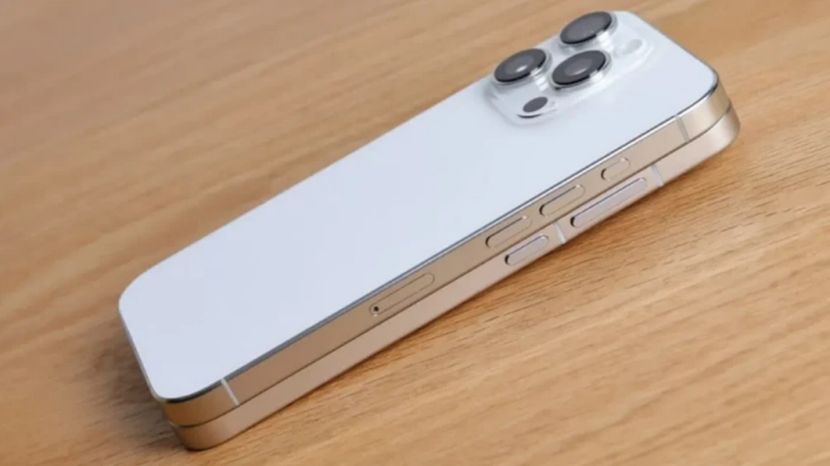
 Indonesian consumers may need to be more patient when waiting for Apple's latest iPhone 16 smartphone, as not only has the phone not been approved for sale, but there is also the threat of IMEI blocking. The Ministry of Industry is preparing to prevent the iPhone 16 from being sold in the country, so Indonesian citizens who own an iPhone 16, whether purchased from e-commerce platforms or abroad, must be prepared for the possibility that the new phone will not work. The Ministry estimates that since its launch in the United States, approximately 9,000 iPhone 16 units have entered Indonesia. This latest series of products manufactured by Apple is not allowed to be sold in Indonesia. Furthermore, due to suspected violations of Article 35 of Government Regulation No. 46 of 2021 concerning Postal, Telecommunications, and Broadcasting, the Ministry will take legal action against parties who promote the iPhone 16 series on online marketplaces. A Ministry spokesperson stated that iPhone 16 series units brought in by travelers are legal, but selling them domestically is illegal because it no longer aligns with the intended purpose of obtaining an import permit for mobile phones in Indonesia, which is for personal use. Therefore, they are considering deactivating the IMEI for iPhone 16 series units that enter through passenger luggage if they are proven to have been bought or sold in Indonesia.
To date, Apple has obtained permits to import and sell mobile phone and tablet products. From 2023 to 2024, Indonesia imported a total of 3.8 million Apple products. Assuming the average selling price of Apple electronic devices in Indonesia is IDR 5 million per unit, annual sales would reach IDR 19 trillion. If the import and sale of its HKT products since 2017 are included, the sales figure would be even higher. Ironically, despite such high sales value, Apple has struggled to fully realize its investment commitment of IDR 1.7 trillion in Indonesia within 8 years. To date, the iPhone is the only 4G technology mobile phone product that still relies on imports. Mobile phones produced by other manufacturers such as Samsung, Oppo, Vivo, and Xiaomi are fully assembled in Indonesia to meet the minimum local content (TKDN) requirement. Apple can sell iPhones in Indonesia without establishing a production facility by using the investment pathway TKDN fulfillment program, which involves setting up Apple Academy training centers. However, the permit has expired, and Apple must increase its investment if it wishes to import and sell the iPhone 16 in Indonesia again.
Indonesian consumers may need to be more patient when waiting for Apple's latest iPhone 16 smartphone, as not only has the phone not been approved for sale, but there is also the threat of IMEI blocking. The Ministry of Industry is preparing to prevent the iPhone 16 from being sold in the country, so Indonesian citizens who own an iPhone 16, whether purchased from e-commerce platforms or abroad, must be prepared for the possibility that the new phone will not work. The Ministry estimates that since its launch in the United States, approximately 9,000 iPhone 16 units have entered Indonesia. This latest series of products manufactured by Apple is not allowed to be sold in Indonesia. Furthermore, due to suspected violations of Article 35 of Government Regulation No. 46 of 2021 concerning Postal, Telecommunications, and Broadcasting, the Ministry will take legal action against parties who promote the iPhone 16 series on online marketplaces. A Ministry spokesperson stated that iPhone 16 series units brought in by travelers are legal, but selling them domestically is illegal because it no longer aligns with the intended purpose of obtaining an import permit for mobile phones in Indonesia, which is for personal use. Therefore, they are considering deactivating the IMEI for iPhone 16 series units that enter through passenger luggage if they are proven to have been bought or sold in Indonesia.
To date, Apple has obtained permits to import and sell mobile phone and tablet products. From 2023 to 2024, Indonesia imported a total of 3.8 million Apple products. Assuming the average selling price of Apple electronic devices in Indonesia is IDR 5 million per unit, annual sales would reach IDR 19 trillion. If the import and sale of its HKT products since 2017 are included, the sales figure would be even higher. Ironically, despite such high sales value, Apple has struggled to fully realize its investment commitment of IDR 1.7 trillion in Indonesia within 8 years. To date, the iPhone is the only 4G technology mobile phone product that still relies on imports. Mobile phones produced by other manufacturers such as Samsung, Oppo, Vivo, and Xiaomi are fully assembled in Indonesia to meet the minimum local content (TKDN) requirement. Apple can sell iPhones in Indonesia without establishing a production facility by using the investment pathway TKDN fulfillment program, which involves setting up Apple Academy training centers. However, the permit has expired, and Apple must increase its investment if it wishes to import and sell the iPhone 16 in Indonesia again.
Indonesian consumers may need to be more patient when waiting for Apple's latest iPhone 16 smartphone, as not only has the phone not been approved for sale, but there is also the threat of IMEI blocking. The Ministry of Industry is preparing to prevent the iPhone 16 from being sold in the country, so Indonesian citizens who own an iPhone 16, whether purchased from e-commerce platforms or abroad, must be prepared for the possibility that the new phone will not work. The Ministry estimates that since its launch in the United States, approximately 9,000 iPhone 16 units have entered Indonesia. This latest series of products manufactured by Apple is not allowed to be sold in Indonesia. Furthermore, due to suspected violations of Article 35 of Government Regulation No. 46 of 2021 concerning Postal, Telecommunications, and Broadcasting, the Ministry will take legal action against parties who promote the iPhone 16 series on online marketplaces. A Ministry spokesperson stated that iPhone 16 series units brought in by travelers are legal, but selling them domestically is illegal because it no longer aligns with the intended purpose of obtaining an import permit for mobile phones in Indonesia, which is for personal use. Therefore, they are considering deactivating the IMEI for iPhone 16 series units that enter through passenger luggage if they are proven to have been bought or sold in Indonesia.
To date, Apple has obtained permits to import and sell mobile phone and tablet products. From 2023 to 2024, Indonesia imported a total of 3.8 million Apple products. Assuming the average selling price of Apple electronic devices in Indonesia is IDR 5 million per unit, annual sales would reach IDR 19 trillion. If the import and sale of its HKT products since 2017 are included, the sales figure would be even higher. Ironically, despite such high sales value, Apple has struggled to fully realize its investment commitment of IDR 1.7 trillion in Indonesia within 8 years. To date, the iPhone is the only 4G technology mobile phone product that still relies on imports. Mobile phones produced by other manufacturers such as Samsung, Oppo, Vivo, and Xiaomi are fully assembled in Indonesia to meet the minimum local content (TKDN) requirement. Apple can sell iPhones in Indonesia without establishing a production facility by using the investment pathway TKDN fulfillment program, which involves setting up Apple Academy training centers. However, the permit has expired, and Apple must increase its investment if it wishes to import and sell the iPhone 16 in Indonesia again.
Indonesian consumers may need to be more patient when waiting for Apple's latest iPhone 16 smartphone, as not only has the phone not been approved for sale, but there is also the threat of IMEI blocking. The Ministry of Industry is preparing to prevent the iPhone 16 from being sold in the country, so Indonesian citizens who own an iPhone 16, whether purchased from e-commerce platforms or abroad, must be prepared for the possibility that the new phone will not work. The Ministry estimates that since its launch in the United States, approximately 9,000 iPhone 16 units have entered Indonesia. This latest series of products manufactured by Apple is not allowed to be sold in Indonesia. Furthermore, due to suspected violations of Article 35 of Government Regulation No. 46 of 2021 concerning Postal, Telecommunications, and Broadcasting, the Ministry will take legal action against parties who promote the iPhone 16 series on online marketplaces. A Ministry spokesperson stated that iPhone 16 series units brought in by travelers are legal, but selling them domestically is illegal because it no longer aligns with the intended purpose of obtaining an import permit for mobile phones in Indonesia, which is for personal use. Therefore, they are considering deactivating the IMEI for iPhone 16 series units that enter through passenger luggage if they are proven to have been bought or sold in Indonesia.
To date, Apple has obtained permits to import and sell mobile phone and tablet products. From 2023 to 2024, Indonesia imported a total of 3.8 million Apple products. Assuming the average selling price of Apple electronic devices in Indonesia is IDR 5 million per unit, annual sales would reach IDR 19 trillion. If the import and sale of its HKT products since 2017 are included, the sales figure would be even higher. Ironically, despite such high sales value, Apple has struggled to fully realize its investment commitment of IDR 1.7 trillion in Indonesia within 8 years. To date, the iPhone is the only 4G technology mobile phone product that still relies on imports. Mobile phones produced by other manufacturers such as Samsung, Oppo, Vivo, and Xiaomi are fully assembled in Indonesia to meet the minimum local content (TKDN) requirement. Apple can sell iPhones in Indonesia without establishing a production facility by using the investment pathway TKDN fulfillment program, which involves setting up Apple Academy training centers. However, the permit has expired, and Apple must increase its investment if it wishes to import and sell the iPhone 16 in Indonesia again.