


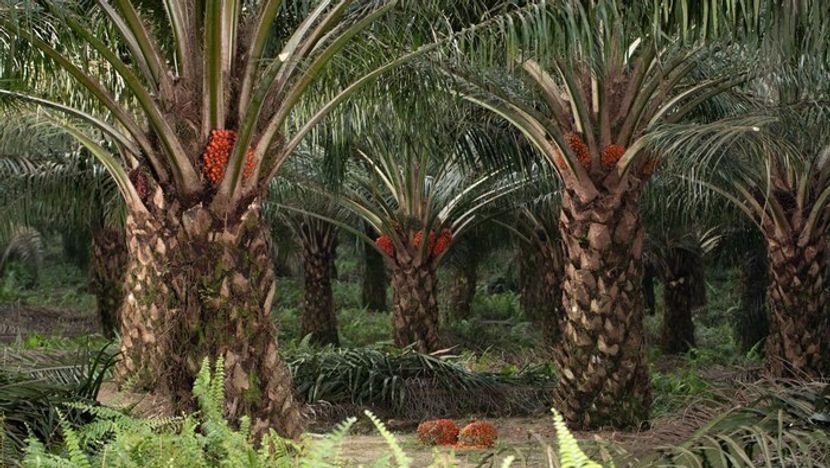
 The government continues to promote the industrial downstream program, one of which is the agribusiness sector such as palm oil, as the export value of this commodity reaches hundreds of trillions of Indonesian rupiah. The Director General of Agricultural Industry at the Ministry of Industry stated that to date, palm oil is one of the commodities that has successfully implemented the industrial downstream program. This can be seen from the significant increase in the number of palm oil downstream products developed over the past decade. Previously, the downstream palm oil industry only produced 45 products; now, there are over 200 downstream palm oil products. Palm oil is a model and success story for industrial downstream, whether in producing palm oil derivative products for food (oleofood), non-food (oleochemical), renewable fuel (biofuel), or new environmentally friendly materials (biomaterial), with sustainable industrial scale. In addition, the economic growth results from Indonesia's upstream and downstream palm oil industry are further proof of the downstream industry's performance, so palm oil is now classified as a highly competitive agro-processing sub-sector. 2023 data shows that palm oil and its derivative exports reached IDR 450 trillion, accounting for 11.6% of total non-oil and gas exports. Overall, this business reached IDR 800 trillion. The sector also absorbed 16.2 million workers, including indirect labor involving plantation enterprises or smallholders.
Seeing this enormous potential, they will continue to strive to support all parties in developing technological innovations for the palm oil processing industry, whether in upstream cultivation or downstream processing sectors. They are also trying to promote industrial technology development through policies favorable to innovation and the matching of various parties in the commercialization of new innovations. The government will form a multi-party consortium for research activities. A successful example of a research consortium driven by the Ministry of Industry is the palm oil-based edible coating technology to extend the shelf life of tropical fruits. This research, supported by the Ministry of Industry, successfully linked industrial needs with research innovation, and is currently undergoing food-grade certification for commercialization. In addition, to encourage the use of modern technology and promote research activities, the Ministry of Industry has carried out various strategic efforts, such as implementing a restructuring program for production machinery and equipment, and establishing the Indonesia Manufacturing Center (IMC) to support this research collaboration. The government is very open to using the IMC to facilitate the follow-up development of research results until they are commercialized. They also encourage palm oil processing industry companies to establish research centers in Indonesia.
The government continues to promote the industrial downstream program, one of which is the agribusiness sector such as palm oil, as the export value of this commodity reaches hundreds of trillions of Indonesian rupiah. The Director General of Agricultural Industry at the Ministry of Industry stated that to date, palm oil is one of the commodities that has successfully implemented the industrial downstream program. This can be seen from the significant increase in the number of palm oil downstream products developed over the past decade. Previously, the downstream palm oil industry only produced 45 products; now, there are over 200 downstream palm oil products. Palm oil is a model and success story for industrial downstream, whether in producing palm oil derivative products for food (oleofood), non-food (oleochemical), renewable fuel (biofuel), or new environmentally friendly materials (biomaterial), with sustainable industrial scale. In addition, the economic growth results from Indonesia's upstream and downstream palm oil industry are further proof of the downstream industry's performance, so palm oil is now classified as a highly competitive agro-processing sub-sector. 2023 data shows that palm oil and its derivative exports reached IDR 450 trillion, accounting for 11.6% of total non-oil and gas exports. Overall, this business reached IDR 800 trillion. The sector also absorbed 16.2 million workers, including indirect labor involving plantation enterprises or smallholders.
Seeing this enormous potential, they will continue to strive to support all parties in developing technological innovations for the palm oil processing industry, whether in upstream cultivation or downstream processing sectors. They are also trying to promote industrial technology development through policies favorable to innovation and the matching of various parties in the commercialization of new innovations. The government will form a multi-party consortium for research activities. A successful example of a research consortium driven by the Ministry of Industry is the palm oil-based edible coating technology to extend the shelf life of tropical fruits. This research, supported by the Ministry of Industry, successfully linked industrial needs with research innovation, and is currently undergoing food-grade certification for commercialization. In addition, to encourage the use of modern technology and promote research activities, the Ministry of Industry has carried out various strategic efforts, such as implementing a restructuring program for production machinery and equipment, and establishing the Indonesia Manufacturing Center (IMC) to support this research collaboration. The government is very open to using the IMC to facilitate the follow-up development of research results until they are commercialized. They also encourage palm oil processing industry companies to establish research centers in Indonesia.
The government continues to promote the industrial downstream program, one of which is the agribusiness sector such as palm oil, as the export value of this commodity reaches hundreds of trillions of Indonesian rupiah. The Director General of Agricultural Industry at the Ministry of Industry stated that to date, palm oil is one of the commodities that has successfully implemented the industrial downstream program. This can be seen from the significant increase in the number of palm oil downstream products developed over the past decade. Previously, the downstream palm oil industry only produced 45 products; now, there are over 200 downstream palm oil products. Palm oil is a model and success story for industrial downstream, whether in producing palm oil derivative products for food (oleofood), non-food (oleochemical), renewable fuel (biofuel), or new environmentally friendly materials (biomaterial), with sustainable industrial scale. In addition, the economic growth results from Indonesia's upstream and downstream palm oil industry are further proof of the downstream industry's performance, so palm oil is now classified as a highly competitive agro-processing sub-sector. 2023 data shows that palm oil and its derivative exports reached IDR 450 trillion, accounting for 11.6% of total non-oil and gas exports. Overall, this business reached IDR 800 trillion. The sector also absorbed 16.2 million workers, including indirect labor involving plantation enterprises or smallholders.
Seeing this enormous potential, they will continue to strive to support all parties in developing technological innovations for the palm oil processing industry, whether in upstream cultivation or downstream processing sectors. They are also trying to promote industrial technology development through policies favorable to innovation and the matching of various parties in the commercialization of new innovations. The government will form a multi-party consortium for research activities. A successful example of a research consortium driven by the Ministry of Industry is the palm oil-based edible coating technology to extend the shelf life of tropical fruits. This research, supported by the Ministry of Industry, successfully linked industrial needs with research innovation, and is currently undergoing food-grade certification for commercialization. In addition, to encourage the use of modern technology and promote research activities, the Ministry of Industry has carried out various strategic efforts, such as implementing a restructuring program for production machinery and equipment, and establishing the Indonesia Manufacturing Center (IMC) to support this research collaboration. The government is very open to using the IMC to facilitate the follow-up development of research results until they are commercialized. They also encourage palm oil processing industry companies to establish research centers in Indonesia.
The government continues to promote the industrial downstream program, one of which is the agribusiness sector such as palm oil, as the export value of this commodity reaches hundreds of trillions of Indonesian rupiah. The Director General of Agricultural Industry at the Ministry of Industry stated that to date, palm oil is one of the commodities that has successfully implemented the industrial downstream program. This can be seen from the significant increase in the number of palm oil downstream products developed over the past decade. Previously, the downstream palm oil industry only produced 45 products; now, there are over 200 downstream palm oil products. Palm oil is a model and success story for industrial downstream, whether in producing palm oil derivative products for food (oleofood), non-food (oleochemical), renewable fuel (biofuel), or new environmentally friendly materials (biomaterial), with sustainable industrial scale. In addition, the economic growth results from Indonesia's upstream and downstream palm oil industry are further proof of the downstream industry's performance, so palm oil is now classified as a highly competitive agro-processing sub-sector. 2023 data shows that palm oil and its derivative exports reached IDR 450 trillion, accounting for 11.6% of total non-oil and gas exports. Overall, this business reached IDR 800 trillion. The sector also absorbed 16.2 million workers, including indirect labor involving plantation enterprises or smallholders.
Seeing this enormous potential, they will continue to strive to support all parties in developing technological innovations for the palm oil processing industry, whether in upstream cultivation or downstream processing sectors. They are also trying to promote industrial technology development through policies favorable to innovation and the matching of various parties in the commercialization of new innovations. The government will form a multi-party consortium for research activities. A successful example of a research consortium driven by the Ministry of Industry is the palm oil-based edible coating technology to extend the shelf life of tropical fruits. This research, supported by the Ministry of Industry, successfully linked industrial needs with research innovation, and is currently undergoing food-grade certification for commercialization. In addition, to encourage the use of modern technology and promote research activities, the Ministry of Industry has carried out various strategic efforts, such as implementing a restructuring program for production machinery and equipment, and establishing the Indonesia Manufacturing Center (IMC) to support this research collaboration. The government is very open to using the IMC to facilitate the follow-up development of research results until they are commercialized. They also encourage palm oil processing industry companies to establish research centers in Indonesia.