


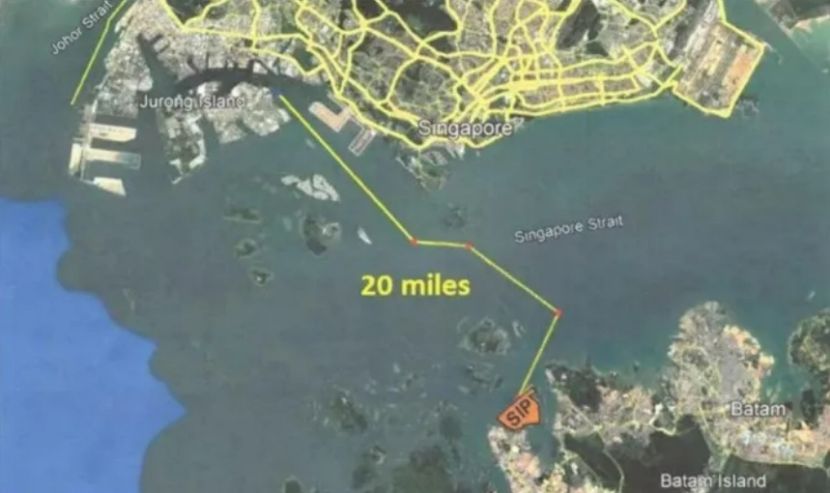
 The consortium of China Energy Engineering Corporation (CEEC) Zhongdian Engineering International Company and Northeast Electric Power Design Institute recently signed an EPC contract for the Batam Island Green Synthetic Ammonia Renewable Energy Project in Indonesia. Located on Batam Island, Indonesia, the project plans to build onshore and floating photovoltaic power stations with a total installed capacity of 240 MW, as well as a green synthetic ammonia facility with an annual output of 37,500 tons. This is the first project in Southeast Asia to implement CEEC Zhongdian Engineering's advanced green electricity, hydrogen, ammonia and methanol technology, providing an integrated solution covering technical scheme design, equipment supply, engineering construction and operation management to ensure efficient implementation and long-term stable operation. The green synthetic ammonia produced will be transported to Singapore. As a globally leading enterprise, CEEC Zhongdian Engineering actively responds to Southeast Asian market demand, keeps pace with industry trends, and contributes to regional energy decarbonization through technological and model innovation. This contract signing marks another important milestone in the internationalization layout of CEEC Zhongdian Engineering International Company, and the project will become a key support for promoting energy transition and optimizing energy structure in Southeast Asia.
In the future, the company will further strengthen its influence in Southeast Asia, promote the implementation of more high-quality new energy projects, and inject strong momentum into the vigorous development of local green energy. Green ammonia is produced by using renewable energy to generate electricity for water electrolysis to produce green hydrogen, which is then synthesized with nitrogen from the air, truly achieving sustainability and carbon-free operation. As a clean fuel and excellent hydrogen storage carrier, green ammonia can be used for power generation and providing power for vehicles and ships, effectively reducing carbon emissions from shipping and facilitating energy transition.
The consortium of China Energy Engineering Corporation (CEEC) Zhongdian Engineering International Company and Northeast Electric Power Design Institute recently signed an EPC contract for the Batam Island Green Synthetic Ammonia Renewable Energy Project in Indonesia. Located on Batam Island, Indonesia, the project plans to build onshore and floating photovoltaic power stations with a total installed capacity of 240 MW, as well as a green synthetic ammonia facility with an annual output of 37,500 tons. This is the first project in Southeast Asia to implement CEEC Zhongdian Engineering's advanced green electricity, hydrogen, ammonia and methanol technology, providing an integrated solution covering technical scheme design, equipment supply, engineering construction and operation management to ensure efficient implementation and long-term stable operation. The green synthetic ammonia produced will be transported to Singapore. As a globally leading enterprise, CEEC Zhongdian Engineering actively responds to Southeast Asian market demand, keeps pace with industry trends, and contributes to regional energy decarbonization through technological and model innovation. This contract signing marks another important milestone in the internationalization layout of CEEC Zhongdian Engineering International Company, and the project will become a key support for promoting energy transition and optimizing energy structure in Southeast Asia.
In the future, the company will further strengthen its influence in Southeast Asia, promote the implementation of more high-quality new energy projects, and inject strong momentum into the vigorous development of local green energy. Green ammonia is produced by using renewable energy to generate electricity for water electrolysis to produce green hydrogen, which is then synthesized with nitrogen from the air, truly achieving sustainability and carbon-free operation. As a clean fuel and excellent hydrogen storage carrier, green ammonia can be used for power generation and providing power for vehicles and ships, effectively reducing carbon emissions from shipping and facilitating energy transition.
中资快讯
Chinese Enterprise Signs Southeast Asia's First Green Electricity, Hydrogen, Ammonia and Methanol Project
The consortium of China Energy Engineering Corporation (CEEC) Zhongdian Engineering International Company and Northeast Electric Power Design Institute recently signed an EPC contract for the Batam Island Green Synthetic Ammonia Renewable Energy Project in Indonesia. Located on Batam Island, Indonesia, the project plans to build onshore and floating photovoltaic power stations with a total installed capacity of 240 MW, as well as a green synthetic ammonia facility with an annual output of 37,500 tons. This is the first project in Southeast Asia to implement CEEC Zhongdian Engineering's advanced green electricity, hydrogen, ammonia and methanol technology, providing an integrated solution covering technical scheme design, equipment supply, engineering construction and operation management to ensure efficient implementation and long-term stable operation. The green synthetic ammonia produced will be transported to Singapore. As a globally leading enterprise, CEEC Zhongdian Engineering actively responds to Southeast Asian market demand, keeps pace with industry trends, and contributes to regional energy decarbonization through technological and model innovation. This contract signing marks another important milestone in the internationalization layout of CEEC Zhongdian Engineering International Company, and the project will become a key support for promoting energy transition and optimizing energy structure in Southeast Asia.
In the future, the company will further strengthen its influence in Southeast Asia, promote the implementation of more high-quality new energy projects, and inject strong momentum into the vigorous development of local green energy. Green ammonia is produced by using renewable energy to generate electricity for water electrolysis to produce green hydrogen, which is then synthesized with nitrogen from the air, truly achieving sustainability and carbon-free operation. As a clean fuel and excellent hydrogen storage carrier, green ammonia can be used for power generation and providing power for vehicles and ships, effectively reducing carbon emissions from shipping and facilitating energy transition.