
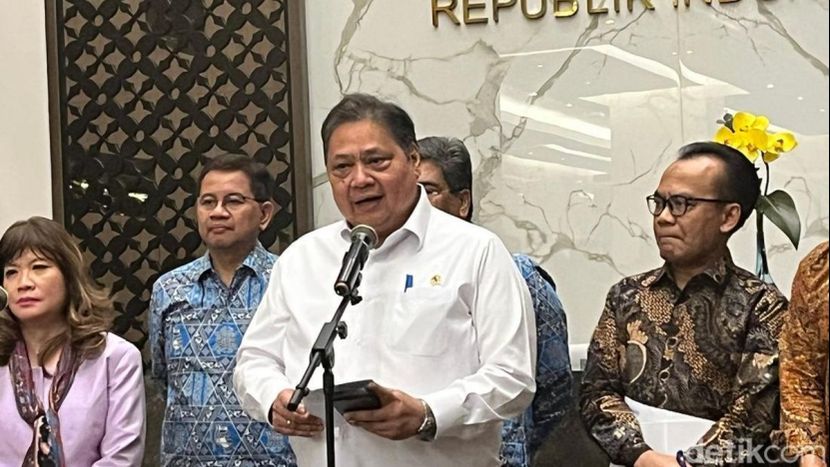
 President Prabowo plans to make major adjustments to import policies, canceling import quotas for some goods. However, this measure does not mean fully opening imports; it only targets specific goods for which domestic production cannot meet demand and self-sufficiency has not yet been achieved.
Taking the meat market as an example, Indonesia's domestic meat production currently cannot fully meet consumer demand and still relies on imports to fill the gap. Relevant data shows that beef and other livestock meats, as well as commodities such as soybeans and garlic, face supply shortages in the Indonesian market. Against this background, President Prabowo clearly instructed the Minister of Agriculture and the Minister of Trade at an economic seminar to cancel import quotas for livelihood-related goods such as meat, emphasizing that there should be no situation where only specific enterprises can import. Although the President did not elaborate on the so-called bad practices, previous investigations have shown that the import quota system has corruption loopholes, creating opportunities for rent-seeking activities, which in turn led to soaring market prices, affecting multiple commodities such as meat, garlic, and salmon.
At the same time, on April 10, Indonesia's Coordinating Ministry for Economic Affairs announced that Indonesia's product exports are not highly dependent on the US market. Data shows that the US is not Indonesia's main export destination, contributing only 2.2% to Indonesia's GDP and accounting for only 17% of Indonesia's total trade value. Currently, China is Indonesia's main export destination. The Coordinating Ministry for Economic Affairs emphasized that Indonesian product exports do not rely entirely on a single country, and export destinations are diversified. To further expand market access outside the US, the Indonesian government is actively advancing a series of international trade agreements and initiatives, striving to enhance trade cooperation with other countries and explore new trade opportunities.
As the global trade landscape continues to change, Indonesia's cancellation of import quotas for some goods helps meet domestic market demand and improve people's livelihood security; while stabilizing the diversified export structure, especially strengthening cooperation with major trading partners like China, injects new momentum into Indonesia's sustained and stable economic development.
President Prabowo plans to make major adjustments to import policies, canceling import quotas for some goods. However, this measure does not mean fully opening imports; it only targets specific goods for which domestic production cannot meet demand and self-sufficiency has not yet been achieved.
Taking the meat market as an example, Indonesia's domestic meat production currently cannot fully meet consumer demand and still relies on imports to fill the gap. Relevant data shows that beef and other livestock meats, as well as commodities such as soybeans and garlic, face supply shortages in the Indonesian market. Against this background, President Prabowo clearly instructed the Minister of Agriculture and the Minister of Trade at an economic seminar to cancel import quotas for livelihood-related goods such as meat, emphasizing that there should be no situation where only specific enterprises can import. Although the President did not elaborate on the so-called bad practices, previous investigations have shown that the import quota system has corruption loopholes, creating opportunities for rent-seeking activities, which in turn led to soaring market prices, affecting multiple commodities such as meat, garlic, and salmon.
At the same time, on April 10, Indonesia's Coordinating Ministry for Economic Affairs announced that Indonesia's product exports are not highly dependent on the US market. Data shows that the US is not Indonesia's main export destination, contributing only 2.2% to Indonesia's GDP and accounting for only 17% of Indonesia's total trade value. Currently, China is Indonesia's main export destination. The Coordinating Ministry for Economic Affairs emphasized that Indonesian product exports do not rely entirely on a single country, and export destinations are diversified. To further expand market access outside the US, the Indonesian government is actively advancing a series of international trade agreements and initiatives, striving to enhance trade cooperation with other countries and explore new trade opportunities.
As the global trade landscape continues to change, Indonesia's cancellation of import quotas for some goods helps meet domestic market demand and improve people's livelihood security; while stabilizing the diversified export structure, especially strengthening cooperation with major trading partners like China, injects new momentum into Indonesia's sustained and stable economic development.
Major Adjustment to Indonesia's Import Policy Involving Import Quotas
www.indoent.com
2025-04-12
President Prabowo plans to make major adjustments to import policies, canceling import quotas for some goods. However, this measure does not mean fully opening imports; it only targets specific goods for which domestic production cannot meet demand and self-sufficiency has not yet been achieved. Taking the meat market as an example, Indonesia's domestic meat production currently cannot fully meet consumer demand and still relies on imports to fill the gap. Relevant data shows that beef and other livestock meats, as well as commodities such as soybeans and garlic, face supply shortages in the Indonesian market. Against this background, President Prabowo clearly stated at an economic seminar that
President Prabowo plans to make major adjustments to import policies, canceling import quotas for some goods. However, this measure does not mean fully opening imports; it only targets specific goods for which domestic production cannot meet demand and self-sufficiency has not yet been achieved.
Taking the meat market as an example, Indonesia's domestic meat production currently cannot fully meet consumer demand and still relies on imports to fill the gap. Relevant data shows that beef and other livestock meats, as well as commodities such as soybeans and garlic, face supply shortages in the Indonesian market. Against this background, President Prabowo clearly instructed the Minister of Agriculture and the Minister of Trade at an economic seminar to cancel import quotas for livelihood-related goods such as meat, emphasizing that there should be no situation where only specific enterprises can import. Although the President did not elaborate on the so-called bad practices, previous investigations have shown that the import quota system has corruption loopholes, creating opportunities for rent-seeking activities, which in turn led to soaring market prices, affecting multiple commodities such as meat, garlic, and salmon.
At the same time, on April 10, Indonesia's Coordinating Ministry for Economic Affairs announced that Indonesia's product exports are not highly dependent on the US market. Data shows that the US is not Indonesia's main export destination, contributing only 2.2% to Indonesia's GDP and accounting for only 17% of Indonesia's total trade value. Currently, China is Indonesia's main export destination. The Coordinating Ministry for Economic Affairs emphasized that Indonesian product exports do not rely entirely on a single country, and export destinations are diversified. To further expand market access outside the US, the Indonesian government is actively advancing a series of international trade agreements and initiatives, striving to enhance trade cooperation with other countries and explore new trade opportunities.
As the global trade landscape continues to change, Indonesia's cancellation of import quotas for some goods helps meet domestic market demand and improve people's livelihood security; while stabilizing the diversified export structure, especially strengthening cooperation with major trading partners like China, injects new momentum into Indonesia's sustained and stable economic development.
Share to
Related Reading
 China Investment News
China's AiMOGA Humanoid Robot Obtains Three International Certifications
2026-09-07 China Investment News
Only Three Chinese Automakers Have Independently Built Factories in Indonesia
2026-09-05 Chinese Investment News