
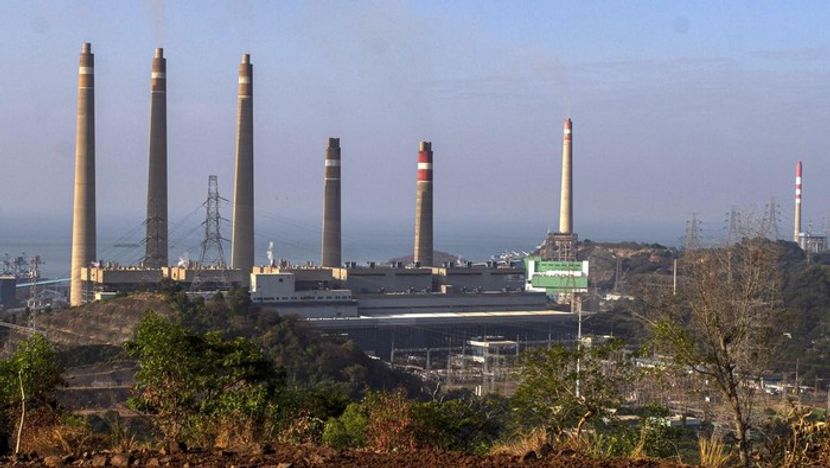
 Indonesia's coal power plant installed capacity continues to rise, adding 1.9 GW in 2024, ranking third globally, with 80% for specific purposes (captive power plants). As of 2024, Indonesia has 130 captive coal power plants with installed capacity of 30 MW or more in operation, and 21 under construction or in early stages. Since the signing of the Paris Agreement in 2015, Indonesia's coal power plant installed capacity has increased by 29 GW, currently at 54.7 GW, ranking fifth globally. The National Electricity General Plan (2024-2060) shows that Indonesia plans to add 26.7 GW of coal power capacity in the next 7 years, 75% of which will be captive power plants. Indonesia has pledged to stop building new coal power plants after 2022 and phase out coal nationwide by 2050, but coal power plants already included in the national electricity supply plan, supporting national strategic projects, and value-added industries (such as mineral deep processing) are not restricted, reflecting a contradiction in Indonesia's climate policy. Indonesia plans to operate coal power plants until 2060, using co-firing, carbon capture and storage (CCS) technology, and retrofitting existing plants to use ammonia, biomass, and other fuels, even considering nuclear energy. Experts believe the strategy is costly and its emission reduction effectiveness is questionable; biomass co-firing may exacerbate deforestation, and CCS technology remains unproven. Globally, 22 countries have reduced coal power capacity. For example, in Europe, coal plant retirements rose from 2.7 GW in 2023 to 11 GW in 2024, with Germany contributing the most. The UK has completely phased out coal since signing the Paris Agreement. Meanwhile, Indonesia, along with China, India, and 9 other countries, continues to increase coal power capacity. China added the most, with 30.52 GW, while Indonesia ranked third.
Indonesia's Coal Power Plant Capacity Continues to Rise, Adding 1.9 GW
www.indoent.com
2025-04-15
Indonesia's coal power plant installed capacity continues to rise, adding 1.9 GW in 2024, ranking third globally, with 80% for specific purposes (captive power plants). As of 2024, Indonesia has 130 captive coal power plants with installed capacity of 30 MW or more in operation, and 21 under construction or in early stages. Since the signing of the Paris Agreement in 2015, Indonesia's coal power plant installed capacity has increased by 29 GW, currently at 54.7 GW, ranking fifth globally. The National Electricity General Plan (2024-2060) shows that Indonesia plans to add 26.7 GW of coal power capacity in the next 7 years,
Indonesia's coal power plant installed capacity continues to rise, adding 1.9 GW in 2024, ranking third globally, with 80% for specific purposes (captive power plants). As of 2024, Indonesia has 130 captive coal power plants with installed capacity of 30 MW or more in operation, and 21 under construction or in early stages. Since the signing of the Paris Agreement in 2015, Indonesia's coal power plant installed capacity has increased by 29 GW, currently at 54.7 GW, ranking fifth globally. The National Electricity General Plan (2024-2060) shows that Indonesia plans to add 26.7 GW of coal power capacity in the next 7 years, 75% of which will be captive power plants. Indonesia has pledged to stop building new coal power plants after 2022 and phase out coal nationwide by 2050, but coal power plants already included in the national electricity supply plan, supporting national strategic projects, and value-added industries (such as mineral deep processing) are not restricted, reflecting a contradiction in Indonesia's climate policy. Indonesia plans to operate coal power plants until 2060, using co-firing, carbon capture and storage (CCS) technology, and retrofitting existing plants to use ammonia, biomass, and other fuels, even considering nuclear energy. Experts believe the strategy is costly and its emission reduction effectiveness is questionable; biomass co-firing may exacerbate deforestation, and CCS technology remains unproven. Globally, 22 countries have reduced coal power capacity. For example, in Europe, coal plant retirements rose from 2.7 GW in 2023 to 11 GW in 2024, with Germany contributing the most. The UK has completely phased out coal since signing the Paris Agreement. Meanwhile, Indonesia, along with China, India, and 9 other countries, continues to increase coal power capacity. China added the most, with 30.52 GW, while Indonesia ranked third.
Tags
Social Trends
Share to


