
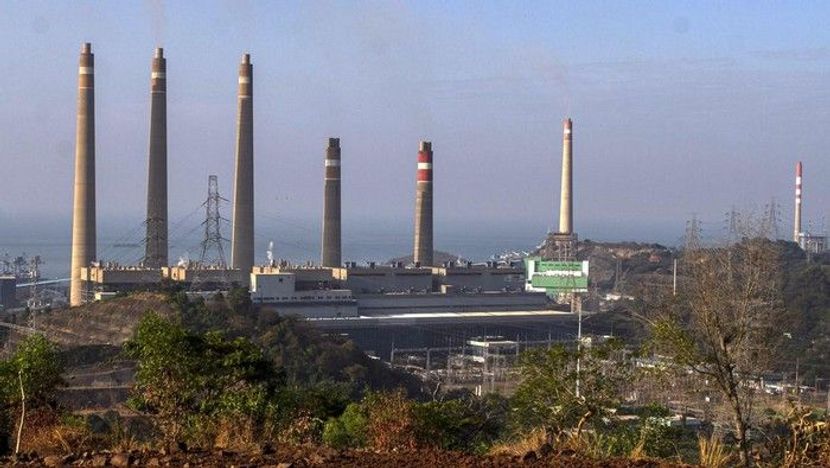
 Indonesia aims to achieve net-zero emissions by 2060 and plans to shut down coal-fired power plants (PLTU), as outlined in the Minister of Energy and Mineral Resources' regulation on the energy transition roadmap for the power sector. The Institute for Essential Services Reform (IESR) supports the government's plan to shut down PLTUs, with its Executive Director noting that the regulation provides a legal basis for power infrastructure development. IESR research shows that to mitigate the climate crisis, 72 coal-fired PLTUs with a total installed capacity of 43.4 GW need to be phased out between 2022 and 2045. It recommends shutting down 18 PLTUs with a total installed capacity of 9.2 GW from 2025 to 2030, of which 8 belong to state electricity company PLN and 10 are privately owned. IESR's study considered multiple factors, including plant age, installed capacity, project economics, and environmental impact (especially greenhouse gas emissions). The government is also closely monitoring domestic and international funding support to advance the shutdown of coal-fired PLTUs. The cost of early retirement of PLTUs is estimated at $4.6 billion by 2030 and $27.5 billion by 2050, with approximately two-thirds ($18.3 billion) from private PLTUs and one-third ($9.2 billion) from PLN's PLTUs. Although the upfront costs are high, in the long run by 2050, savings in health costs and PLTU subsidies could reach $96 billion. Financial support is needed for the early retirement of PLN's PLTUs, which are inefficient, expensive, and cause severe air pollution, and these funds, together with state equity participation, should be used to accelerate renewable energy development and strengthen the power grid.
Indonesia Plans to Shut Down Eighteen Coal-Fired Power Plants
www.indoent.com
2025-04-26
Indonesia aims to achieve net-zero emissions by 2060 and plans to shut down coal-fired power plants (PLTU), as outlined in the Minister of Energy and Mineral Resources' regulation on the energy transition roadmap for the power sector. The Institute for Essential Services Reform (IESR) supports the government's plan to shut down PLTUs, with its Executive Director noting that the regulation provides a legal basis for power infrastructure development. IESR research shows that to mitigate the climate crisis, 72 coal-fired PLTUs with a total installed capacity of 43.4 GW need to be phased out between 2022 and 2045. It recommends shutting down 18 PLTUs with a total installed capacity of 9.2 GW from 2025 to 2030
Indonesia aims to achieve net-zero emissions by 2060 and plans to shut down coal-fired power plants (PLTU), as outlined in the Minister of Energy and Mineral Resources' regulation on the energy transition roadmap for the power sector. The Institute for Essential Services Reform (IESR) supports the government's plan to shut down PLTUs, with its Executive Director noting that the regulation provides a legal basis for power infrastructure development. IESR research shows that to mitigate the climate crisis, 72 coal-fired PLTUs with a total installed capacity of 43.4 GW need to be phased out between 2022 and 2045. It recommends shutting down 18 PLTUs with a total installed capacity of 9.2 GW from 2025 to 2030, of which 8 belong to state electricity company PLN and 10 are privately owned. IESR's study considered multiple factors, including plant age, installed capacity, project economics, and environmental impact (especially greenhouse gas emissions). The government is also closely monitoring domestic and international funding support to advance the shutdown of coal-fired PLTUs. The cost of early retirement of PLTUs is estimated at $4.6 billion by 2030 and $27.5 billion by 2050, with approximately two-thirds ($18.3 billion) from private PLTUs and one-third ($9.2 billion) from PLN's PLTUs. Although the upfront costs are high, in the long run by 2050, savings in health costs and PLTU subsidies could reach $96 billion. Financial support is needed for the early retirement of PLN's PLTUs, which are inefficient, expensive, and cause severe air pollution, and these funds, together with state equity participation, should be used to accelerate renewable energy development and strengthen the power grid.
Tags
Industry News
Share to
Related Reading
 Industry Flash
Cheap Chinese Plastics Impact Indonesia's Petrochemical Industry, Association Calls for Protection
2026-09-03 Industry News
Investment Heat in Two Key Industrial Parks in Central Java Continues to Rise
2026-08-31 Industry News