
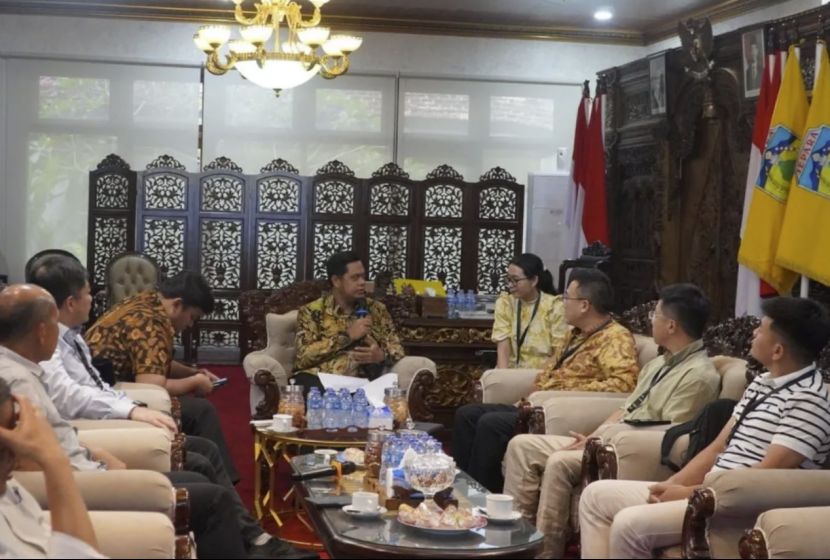
 Jepara Regency Government in Central Java recently signed a cooperation agreement with China's Zhejiang Jinjiang Environment Group, planning to convert domestic waste into renewable energy starting in 2026. The project aims to address the overloaded landfill issues and promote green economy development.
The project uses Chinese technology to convert valueless residual waste into energy, achieving 100% waste utilization; housewives and other groups can earn extra income through waste sorting, while recyclables such as plastic and metal are still handled by residents; it also supports Jepara in building an "environmental protection demonstration zone", completely changing the existing landfill model. The Regent of Jepara stated that this cooperation will significantly reduce the pressure on landfills. The head of the Environmental Protection Agency pointed out that previously waste was only landfilled, and the new project will create circular economy value. This project is in line with the Indonesian government's national strategy to "achieve energy conversion of 33,000 tons of plastic waste by 2025".
Jepara Regency Government in Central Java recently signed a cooperation agreement with China's Zhejiang Jinjiang Environment Group, planning to convert domestic waste into renewable energy starting in 2026. The project aims to address the overloaded landfill issues and promote green economy development.
The project uses Chinese technology to convert valueless residual waste into energy, achieving 100% waste utilization; housewives and other groups can earn extra income through waste sorting, while recyclables such as plastic and metal are still handled by residents; it also supports Jepara in building an "environmental protection demonstration zone", completely changing the existing landfill model. The Regent of Jepara stated that this cooperation will significantly reduce the pressure on landfills. The head of the Environmental Protection Agency pointed out that previously waste was only landfilled, and the new project will create circular economy value. This project is in line with the Indonesian government's national strategy to "achieve energy conversion of 33,000 tons of plastic waste by 2025".
Chinese Enterprise Assists Central Java in Developing Waste-to-Energy Project
www.indoent.com
2025-09-06
Jepara Regency Government in Central Java recently signed a cooperation agreement with China's Zhejiang Jinjiang Environment Group, planning to convert domestic waste into renewable energy starting in 2026. The project aims to address the overloaded landfill issues and promote green economy development. The project uses Chinese technology to convert valueless residual waste into energy, achieving 100% waste utilization; housewives and other groups can earn extra income through waste sorting, while recyclables such as plastic and metal are still handled by residents; it also supports Jepara in building an "environmental protection demonstration zone", completely changing
Jepara Regency Government in Central Java recently signed a cooperation agreement with China's Zhejiang Jinjiang Environment Group, planning to convert domestic waste into renewable energy starting in 2026. The project aims to address the overloaded landfill issues and promote green economy development.
The project uses Chinese technology to convert valueless residual waste into energy, achieving 100% waste utilization; housewives and other groups can earn extra income through waste sorting, while recyclables such as plastic and metal are still handled by residents; it also supports Jepara in building an "environmental protection demonstration zone", completely changing the existing landfill model. The Regent of Jepara stated that this cooperation will significantly reduce the pressure on landfills. The head of the Environmental Protection Agency pointed out that previously waste was only landfilled, and the new project will create circular economy value. This project is in line with the Indonesian government's national strategy to "achieve energy conversion of 33,000 tons of plastic waste by 2025".
Tags
Industry News
Share to
Related Reading
 Industry Flash
Cheap Chinese Plastics Impact Indonesia's Petrochemical Industry, Association Calls for Protection
2026-09-03 Industry News
Investment Heat in Two Key Industrial Parks in Central Java Continues to Rise
2026-08-31 Industry News