
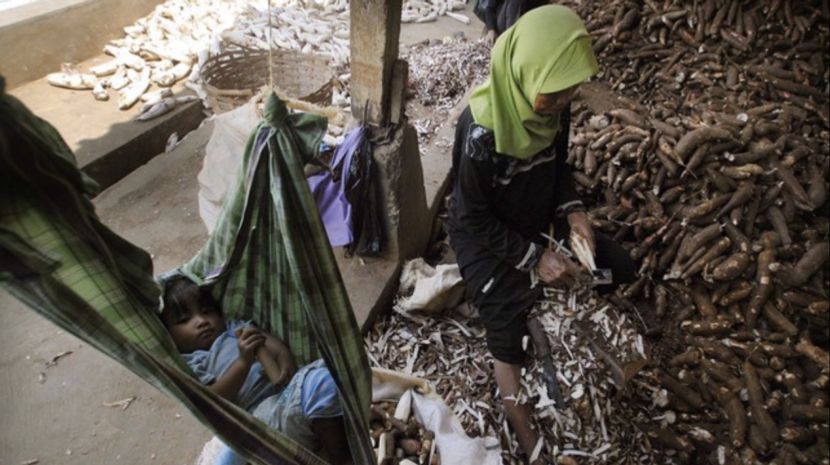
 The Minister of Trade recently signed a ministerial regulation formally restricting the import of cassava (singkong) and ethanol (etanol). This policy was issued at the direction of President Prabowo to protect domestic agriculture and the sugar industry.
The government requires that imports of cassava and cassava products (such as cassava starch) must have a producer importer license (API-P), while ethanol imports must go through the import approval (PI) mechanism. Additionally, a technical recommendation letter or commodity balance sheet from the Ministry of Industry is required, and customs will strengthen import supervision.
Previously unrestricted imports caused sugarcane molasses prices to plummet from IDR 2,000/kg to IDR 900/kg, and cassava prices fell below production costs (IDR 740/kg), leading to ongoing protests from farmer groups who have threatened further demonstrations.
The government expects the new regulations to stabilize the income of sugarcane and cassava farmers, ensure the security of the domestic ethanol supply chain, while balancing industrial raw material demand with agricultural production.
The Minister of Trade recently signed a ministerial regulation formally restricting the import of cassava (singkong) and ethanol (etanol). This policy was issued at the direction of President Prabowo to protect domestic agriculture and the sugar industry.
The government requires that imports of cassava and cassava products (such as cassava starch) must have a producer importer license (API-P), while ethanol imports must go through the import approval (PI) mechanism. Additionally, a technical recommendation letter or commodity balance sheet from the Ministry of Industry is required, and customs will strengthen import supervision.
Previously unrestricted imports caused sugarcane molasses prices to plummet from IDR 2,000/kg to IDR 900/kg, and cassava prices fell below production costs (IDR 740/kg), leading to ongoing protests from farmer groups who have threatened further demonstrations.
The government expects the new regulations to stabilize the income of sugarcane and cassava farmers, ensure the security of the domestic ethanol supply chain, while balancing industrial raw material demand with agricultural production.
Indonesia Restricts Cassava and Ethanol Imports to Protect Farmers' Interests
www.indoent.com
2025-09-20
The Minister of Trade recently signed a ministerial regulation formally restricting the import of cassava (singkong) and ethanol (etanol). This policy was issued at the direction of President Prabowo to protect domestic agriculture and the sugar industry. The government requires that imports of cassava and cassava products (such as cassava starch) must have a producer importer license (API-P), while ethanol imports must go through the import approval (PI) mechanism. Additionally, a technical recommendation letter or commodity balance sheet from the Ministry of Industry is required, and customs will strengthen import supervision. Previously unrestricted imports led to a sharp decline in sugarcane molasses prices,
The Minister of Trade recently signed a ministerial regulation formally restricting the import of cassava (singkong) and ethanol (etanol). This policy was issued at the direction of President Prabowo to protect domestic agriculture and the sugar industry.
The government requires that imports of cassava and cassava products (such as cassava starch) must have a producer importer license (API-P), while ethanol imports must go through the import approval (PI) mechanism. Additionally, a technical recommendation letter or commodity balance sheet from the Ministry of Industry is required, and customs will strengthen import supervision.
Previously unrestricted imports caused sugarcane molasses prices to plummet from IDR 2,000/kg to IDR 900/kg, and cassava prices fell below production costs (IDR 740/kg), leading to ongoing protests from farmer groups who have threatened further demonstrations.
The government expects the new regulations to stabilize the income of sugarcane and cassava farmers, ensure the security of the domestic ethanol supply chain, while balancing industrial raw material demand with agricultural production.
Tags
Industry News
Share to
Related Reading
 Industry Flash
Cheap Chinese Plastics Impact Indonesia's Petrochemical Industry, Association Calls for Protection
2026-09-03 Industry News
Investment Heat in Two Key Industrial Parks in Central Java Continues to Rise
2026-08-31 Industry News