
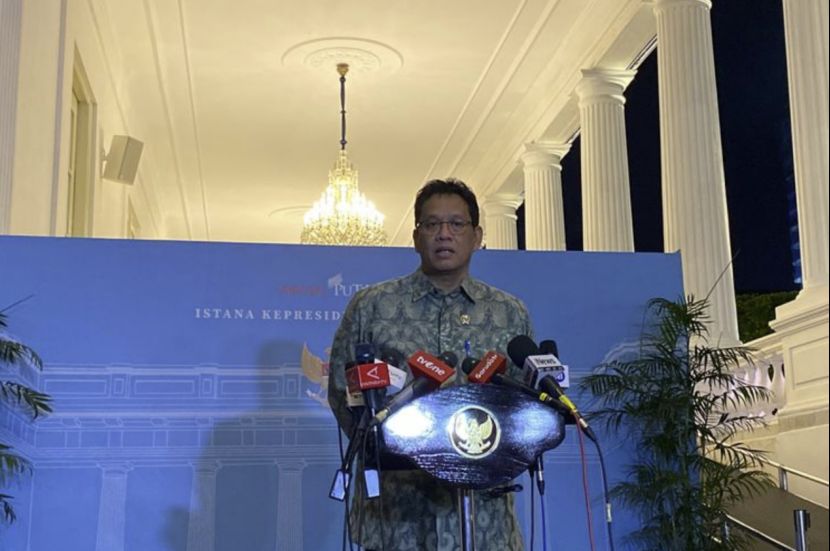
 The Finance Minister recently announced that within a month, targeted incentive policies will be introduced to encourage Indonesian citizens abroad to transfer their USD deposits back to the domestic banking system. This policy is part of President Prabowo's economic strategy and is expected to attract billions of USD in overseas deposits, supplementing the country's foreign exchange reserves (currently around USD 138 billion).
The government plans to offer tax breaks and interest rate incentives, simplify cross-border transfer procedures, and prioritize USD financing for strategic projects. The relevant policies will enhance commercial banks' USD liquidity (current loan-to-deposit ratio at 92%), reduce the government's foreign debt financing costs (approximately USD 24 billion in foreign debt maturing in 2026), and provide foreign exchange support for import substitution industries such as nickel processing and new energy.
Currently, around 5 million Indonesian citizens abroad hold overseas assets, with remittance income reaching USD 12 billion in 2024 (World Bank data).
The Finance Minister stated that this policy will "create a win-win situation for the country, banks, and depositors," while requiring financial institutions to strengthen anti-money laundering supervision.
The Finance Minister recently announced that within a month, targeted incentive policies will be introduced to encourage Indonesian citizens abroad to transfer their USD deposits back to the domestic banking system. This policy is part of President Prabowo's economic strategy and is expected to attract billions of USD in overseas deposits, supplementing the country's foreign exchange reserves (currently around USD 138 billion).
The government plans to offer tax breaks and interest rate incentives, simplify cross-border transfer procedures, and prioritize USD financing for strategic projects. The relevant policies will enhance commercial banks' USD liquidity (current loan-to-deposit ratio at 92%), reduce the government's foreign debt financing costs (approximately USD 24 billion in foreign debt maturing in 2026), and provide foreign exchange support for import substitution industries such as nickel processing and new energy.
Currently, around 5 million Indonesian citizens abroad hold overseas assets, with remittance income reaching USD 12 billion in 2024 (World Bank data).
The Finance Minister stated that this policy will "create a win-win situation for the country, banks, and depositors," while requiring financial institutions to strengthen anti-money laundering supervision.
Indonesia Plans USD Deposit Incentives to Attract Remittances Back
www.indoent.com
2025-09-21
The Finance Minister recently announced that within a month, targeted incentive policies will be introduced to encourage Indonesian citizens abroad to transfer their USD deposits back to the domestic banking system. This policy is part of President Prabowo's economic strategy and is expected to attract billions of USD in overseas deposits, supplementing the country's foreign exchange reserves (currently around USD 138 billion). The government plans to offer tax breaks and interest rate incentives, simplify cross-border transfer procedures, and prioritize USD financing for strategic projects. The relevant policies will enhance commercial banks' USD liquidity (current loan-to-deposit ratio at 92%), reduce the government's foreign debt financing costs (approximately USD 24 billion in foreign debt maturing in 2026
The Finance Minister recently announced that within a month, targeted incentive policies will be introduced to encourage Indonesian citizens abroad to transfer their USD deposits back to the domestic banking system. This policy is part of President Prabowo's economic strategy and is expected to attract billions of USD in overseas deposits, supplementing the country's foreign exchange reserves (currently around USD 138 billion).
The government plans to offer tax breaks and interest rate incentives, simplify cross-border transfer procedures, and prioritize USD financing for strategic projects. The relevant policies will enhance commercial banks' USD liquidity (current loan-to-deposit ratio at 92%), reduce the government's foreign debt financing costs (approximately USD 24 billion in foreign debt maturing in 2026), and provide foreign exchange support for import substitution industries such as nickel processing and new energy.
Currently, around 5 million Indonesian citizens abroad hold overseas assets, with remittance income reaching USD 12 billion in 2024 (World Bank data).
The Finance Minister stated that this policy will "create a win-win situation for the country, banks, and depositors," while requiring financial institutions to strengthen anti-money laundering supervision.
Tags
Policy Information
Share to
Related Reading
 Policy Information
Chinese Mainland and Hong Kong Enterprises Eligible for Relaxed Foreign Exchange Deposit Rules in Indonesia
2026-08-30 Policy Information
China-Indonesia Multi-Sector Strategic Cooperation Upgrade Blueprint
2026-08-23 Policy Information