
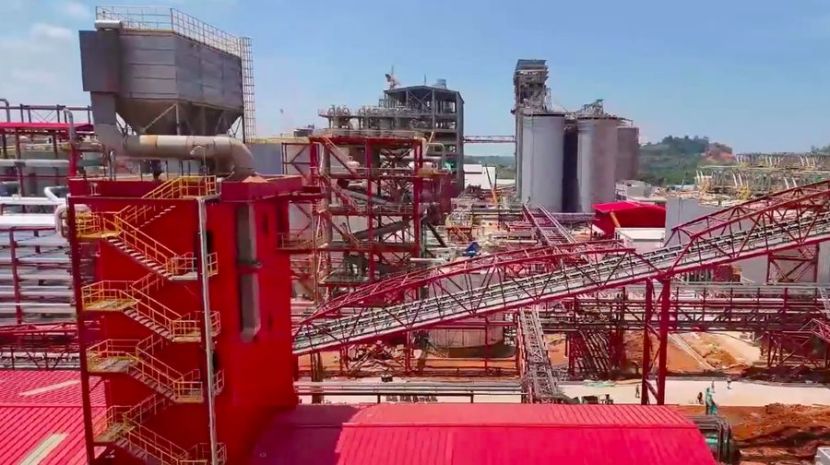
 The Minister of Energy and Mineral Resources recently revealed that by 2040, 90% of Indonesia's downstream projects will be concentrated in the mineral and coal sectors. This plan is based on the roadmap of the Ministry of Investment and Downstreaming, aiming to increase the added value of raw materials. Nickel export value increased from USD 3.3 billion in 2017-18 to USD 34-40 billion in 2025.
Indonesia holds 42% of global nickel reserves (world's largest), tin (16.3%, second largest), and bauxite (4%, sixth largest). The government will continue to implement raw material export ban policies while building a complete industrial chain (such as the electric vehicle battery ecosystem) to strengthen collaboration between the Ministry of Energy and Mineral Resources and the Ministry of Investment.
The Minister noted both domestic and international resistance, including some countries reluctant to see Indonesia's industrialization success and domestic vested interest groups favoring raw material export models. The government plans to achieve economic transformation through downstreaming of 28 commodities (including palm oil, seafood, etc.).
The Minister of Energy and Mineral Resources recently revealed that by 2040, 90% of Indonesia's downstream projects will be concentrated in the mineral and coal sectors. This plan is based on the roadmap of the Ministry of Investment and Downstreaming, aiming to increase the added value of raw materials. Nickel export value increased from USD 3.3 billion in 2017-18 to USD 34-40 billion in 2025.
Indonesia holds 42% of global nickel reserves (world's largest), tin (16.3%, second largest), and bauxite (4%, sixth largest). The government will continue to implement raw material export ban policies while building a complete industrial chain (such as the electric vehicle battery ecosystem) to strengthen collaboration between the Ministry of Energy and Mineral Resources and the Ministry of Investment.
The Minister noted both domestic and international resistance, including some countries reluctant to see Indonesia's industrialization success and domestic vested interest groups favoring raw material export models. The government plans to achieve economic transformation through downstreaming of 28 commodities (including palm oil, seafood, etc.).
90% of Indonesia's Downstream Projects by 2040 Will Come from Mining Sector
www.indoent.com
2025-10-22
The Minister of Energy and Mineral Resources recently revealed that by 2040, 90% of Indonesia's downstream projects will be concentrated in the mineral and coal sectors. This plan is based on the roadmap of the Ministry of Investment and Downstreaming, aiming to increase the added value of raw materials. Nickel export value increased from USD 3.3 billion in 2017-18 to USD 34-40 billion in 2025. Indonesia holds 42% of global nickel reserves (world's largest), tin (16.3%, second largest), and bauxite (4%, sixth largest). The government will continue to implement raw material export ban policies while building a complete industrial chain (
The Minister of Energy and Mineral Resources recently revealed that by 2040, 90% of Indonesia's downstream projects will be concentrated in the mineral and coal sectors. This plan is based on the roadmap of the Ministry of Investment and Downstreaming, aiming to increase the added value of raw materials. Nickel export value increased from USD 3.3 billion in 2017-18 to USD 34-40 billion in 2025.
Indonesia holds 42% of global nickel reserves (world's largest), tin (16.3%, second largest), and bauxite (4%, sixth largest). The government will continue to implement raw material export ban policies while building a complete industrial chain (such as the electric vehicle battery ecosystem) to strengthen collaboration between the Ministry of Energy and Mineral Resources and the Ministry of Investment.
The Minister noted both domestic and international resistance, including some countries reluctant to see Indonesia's industrialization success and domestic vested interest groups favoring raw material export models. The government plans to achieve economic transformation through downstreaming of 28 commodities (including palm oil, seafood, etc.).
Tags
Industry News
Share to
Related Reading
 Industry Flash
Cheap Chinese Plastics Impact Indonesia's Petrochemical Industry, Association Calls for Protection
2026-09-03 Industry News
Investment Heat in Two Key Industrial Parks in Central Java Continues to Rise
2026-08-31 Industry News