
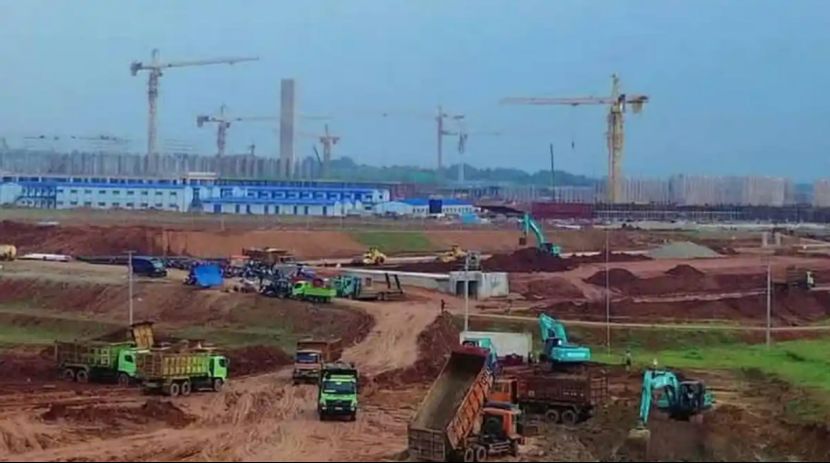
 In 2026, dozens of industrial projects will begin construction in West Java, each with an investment of over IDR 100 billion. According to the 2025 Investment Activity Report (LKPM), 31 foreign-invested industries and 21 domestic industries will build new factories or start operations. On the foreign side, BYD, CATL, VinFast, and other electric vehicle and supporting companies lead in investment scale; Unilever, Shell Manufacturing, Epic Medical Solutions, and several pharmaceutical raw material and medical equipment manufacturers are expanding into the consumer goods and pharmaceutical sectors; Changxin Reksa Jaya, Victory Chingluh, Sing Wealth Textile, and other companies continue to invest in the textile and footwear industry.
Domestic investment is also significantly strengthening. 21 domestic investment companies (PMDN) will operate in 2026 with investments exceeding IDR 100 billion, covering food and beverages, automotive, building materials, chemical plastics, textiles, and construction manufacturing support sectors. Leading local companies include Indofood CBP (processed food), Handal Motor and National Assemblers (motor vehicles), Polytama Propindo (plastics and synthetic resin raw materials).
In the building materials sector, there are Wijaya Karya Industrial Construction, Jaya Beton, etc.; Kertas Padalarang, Tristar Makmur Kartonindo, and other textile and paper companies will also set up operations, which is expected to drive employment in labor-intensive industries. The Governor of West Java optimistically stated that new industrial growth and capital inflow will boost employment recovery, and the previous 15,000 unemployed will continue to decrease. He believes that labor issues have not been fully resolved because investors are constrained by permit processing. If the government does not actively coordinate to facilitate permits, investment and employment plans will slow down, emphasizing the need to proactively engage with grassroots and accelerate permit approvals. He noted that the job market dynamics present both challenges and opportunities — some people leave, but new job spaces are also created.
In 2026, dozens of industrial projects will begin construction in West Java, each with an investment of over IDR 100 billion. According to the 2025 Investment Activity Report (LKPM), 31 foreign-invested industries and 21 domestic industries will build new factories or start operations. On the foreign side, BYD, CATL, VinFast, and other electric vehicle and supporting companies lead in investment scale; Unilever, Shell Manufacturing, Epic Medical Solutions, and several pharmaceutical raw material and medical equipment manufacturers are expanding into the consumer goods and pharmaceutical sectors; Changxin Reksa Jaya, Victory Chingluh, Sing Wealth Textile, and other companies continue to invest in the textile and footwear industry.
Domestic investment is also significantly strengthening. 21 domestic investment companies (PMDN) will operate in 2026 with investments exceeding IDR 100 billion, covering food and beverages, automotive, building materials, chemical plastics, textiles, and construction manufacturing support sectors. Leading local companies include Indofood CBP (processed food), Handal Motor and National Assemblers (motor vehicles), Polytama Propindo (plastics and synthetic resin raw materials).
In the building materials sector, there are Wijaya Karya Industrial Construction, Jaya Beton, etc.; Kertas Padalarang, Tristar Makmur Kartonindo, and other textile and paper companies will also set up operations, which is expected to drive employment in labor-intensive industries. The Governor of West Java optimistically stated that new industrial growth and capital inflow will boost employment recovery, and the previous 15,000 unemployed will continue to decrease. He believes that labor issues have not been fully resolved because investors are constrained by permit processing. If the government does not actively coordinate to facilitate permits, investment and employment plans will slow down, emphasizing the need to proactively engage with grassroots and accelerate permit approvals. He noted that the job market dynamics present both challenges and opportunities — some people leave, but new job spaces are also created.
Domestic and Foreign Investment Jointly Push Forward, Hundreds of Billions in Projects Land Densely in West Java
www.indoent.com
2025-12-25
In 2026, dozens of industrial projects will begin construction in West Java, each with an investment of over IDR 100 billion. According to the 2025 Investment Activity Report (LKPM), 31 foreign-invested industries and 21 domestic industries will build new factories or start operations. On the foreign side, electric vehicle and supporting companies such as BYD, CATL, and VinFast lead in investment scale; Unilever, Shell Manufacturing, Epic Medical Solutions, and several pharmaceutical raw material and medical equipment manufacturers are expanding into the consumer goods and pharmaceutical sectors; Changxin Reksa Jaya, Victory Ching
In 2026, dozens of industrial projects will begin construction in West Java, each with an investment of over IDR 100 billion. According to the 2025 Investment Activity Report (LKPM), 31 foreign-invested industries and 21 domestic industries will build new factories or start operations. On the foreign side, BYD, CATL, VinFast, and other electric vehicle and supporting companies lead in investment scale; Unilever, Shell Manufacturing, Epic Medical Solutions, and several pharmaceutical raw material and medical equipment manufacturers are expanding into the consumer goods and pharmaceutical sectors; Changxin Reksa Jaya, Victory Chingluh, Sing Wealth Textile, and other companies continue to invest in the textile and footwear industry.
Domestic investment is also significantly strengthening. 21 domestic investment companies (PMDN) will operate in 2026 with investments exceeding IDR 100 billion, covering food and beverages, automotive, building materials, chemical plastics, textiles, and construction manufacturing support sectors. Leading local companies include Indofood CBP (processed food), Handal Motor and National Assemblers (motor vehicles), Polytama Propindo (plastics and synthetic resin raw materials).
In the building materials sector, there are Wijaya Karya Industrial Construction, Jaya Beton, etc.; Kertas Padalarang, Tristar Makmur Kartonindo, and other textile and paper companies will also set up operations, which is expected to drive employment in labor-intensive industries. The Governor of West Java optimistically stated that new industrial growth and capital inflow will boost employment recovery, and the previous 15,000 unemployed will continue to decrease. He believes that labor issues have not been fully resolved because investors are constrained by permit processing. If the government does not actively coordinate to facilitate permits, investment and employment plans will slow down, emphasizing the need to proactively engage with grassroots and accelerate permit approvals. He noted that the job market dynamics present both challenges and opportunities — some people leave, but new job spaces are also created.
Tags
Social Trends
Share to


