
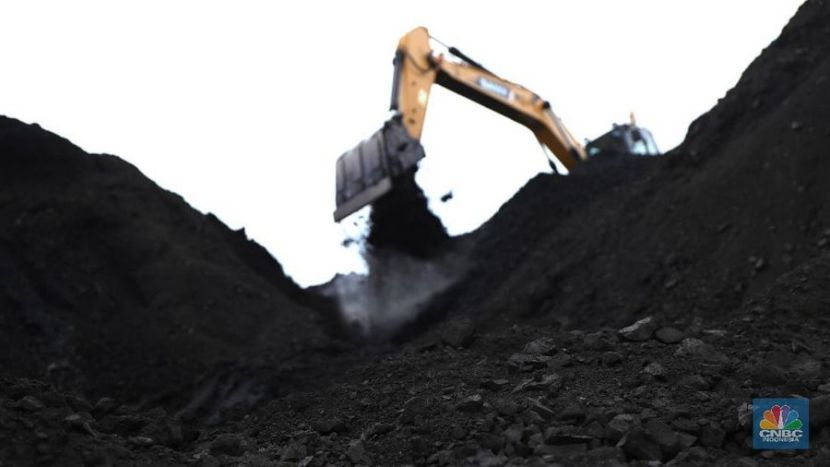
 Indonesia plans to reduce coal and nickel production in 2026, aiming to balance the supply and demand of these two minerals in the international market and thereby stabilize commodity prices. The Minister of Energy and Mineral Resources explained that current commodity prices such as coal and nickel have been declining due to global oversupply, with Indonesia's own export volume being a significant influencing factor. He noted that Indonesia exports 5-6 billion tons of coal annually, accounting for nearly 50% of the global coal trade volume of 1.3 billion tons, which is the core reason for the decline in international coal prices.
By controlling production and tightening supply, the government can help domestic enterprises secure reasonable selling prices and generate substantial fiscal revenue for the country. Apart from stabilizing prices, the production reduction policy is also aimed at avoiding overexploitation of domestic mineral resources. He emphasized that mineral resources are assets for future generations, and extraction should be reduced during periods of low prices. Meanwhile, the annual work plan will be used to regulate corporate behavior, constrain mining companies that disregard environmental regulations, and ensure the sustainable use of resources.
The Director General of Minerals and Coal at the Ministry of Energy and Mineral Resources confirmed that the government is comprehensively evaluating the 2026 coal production target, which is expected to drop to below 700 million tons. In 2025, Indonesia's coal production target was 735 million tons, with actual annual output expected to be around 750 million tons, a reduction of nearly 100 million tons from the historical peak of 836 million tons in 2024. The main reason for the reduction is weakening demand from major export markets such as China and India, with China's rising domestic coal production further depressing import demand.
The Director of Coal Enterprise Development at the Directorate General predicted that Indonesia's coal exports to China and India will decrease by 20-30 million tons this year. He also mentioned that Indonesia's total coal reserves amount to 93 billion tons, with recoverable reserves of 31 billion tons, but there is a significant quality shortfall. Low-calorie coal accounts for as much as 73%, high-calorie coal only 5%, and medium-calorie coal about 8%. This quality disadvantage weakens Indonesia's competitiveness in the international market, especially given the strong global demand for high-calorie coal, while most of the country's high-calorie coal comes from old mining areas.
Indonesia plans to reduce coal and nickel production in 2026, aiming to balance the supply and demand of these two minerals in the international market and thereby stabilize commodity prices. The Minister of Energy and Mineral Resources explained that current commodity prices such as coal and nickel have been declining due to global oversupply, with Indonesia's own export volume being a significant influencing factor. He noted that Indonesia exports 5-6 billion tons of coal annually, accounting for nearly 50% of the global coal trade volume of 1.3 billion tons, which is the core reason for the decline in international coal prices.
By controlling production and tightening supply, the government can help domestic enterprises secure reasonable selling prices and generate substantial fiscal revenue for the country. Apart from stabilizing prices, the production reduction policy is also aimed at avoiding overexploitation of domestic mineral resources. He emphasized that mineral resources are assets for future generations, and extraction should be reduced during periods of low prices. Meanwhile, the annual work plan will be used to regulate corporate behavior, constrain mining companies that disregard environmental regulations, and ensure the sustainable use of resources.
The Director General of Minerals and Coal at the Ministry of Energy and Mineral Resources confirmed that the government is comprehensively evaluating the 2026 coal production target, which is expected to drop to below 700 million tons. In 2025, Indonesia's coal production target was 735 million tons, with actual annual output expected to be around 750 million tons, a reduction of nearly 100 million tons from the historical peak of 836 million tons in 2024. The main reason for the reduction is weakening demand from major export markets such as China and India, with China's rising domestic coal production further depressing import demand.
The Director of Coal Enterprise Development at the Directorate General predicted that Indonesia's coal exports to China and India will decrease by 20-30 million tons this year. He also mentioned that Indonesia's total coal reserves amount to 93 billion tons, with recoverable reserves of 31 billion tons, but there is a significant quality shortfall. Low-calorie coal accounts for as much as 73%, high-calorie coal only 5%, and medium-calorie coal about 8%. This quality disadvantage weakens Indonesia's competitiveness in the international market, especially given the strong global demand for high-calorie coal, while most of the country's high-calorie coal comes from old mining areas.
Indonesia Plans to Cut Coal and Nickel Production Next Year to Stabilize Prices
www.indoent.com
2025-12-31
Indonesia plans to reduce coal and nickel production in 2026, aiming to balance the supply and demand of these two minerals in the international market and thereby stabilize commodity prices. The Minister of Energy and Mineral Resources explained that current commodity prices such as coal and nickel have been declining due to global oversupply, with Indonesia's own export volume being a significant influencing factor. He noted that Indonesia exports 5-6 billion tons of coal annually, accounting for nearly 50% of the global coal trade volume of 1.3 billion tons, which is the core reason for the decline in international coal prices. By controlling production and tightening supply, the government can help domestic enterprises obtain
Indonesia plans to reduce coal and nickel production in 2026, aiming to balance the supply and demand of these two minerals in the international market and thereby stabilize commodity prices. The Minister of Energy and Mineral Resources explained that current commodity prices such as coal and nickel have been declining due to global oversupply, with Indonesia's own export volume being a significant influencing factor. He noted that Indonesia exports 5-6 billion tons of coal annually, accounting for nearly 50% of the global coal trade volume of 1.3 billion tons, which is the core reason for the decline in international coal prices.
By controlling production and tightening supply, the government can help domestic enterprises secure reasonable selling prices and generate substantial fiscal revenue for the country. Apart from stabilizing prices, the production reduction policy is also aimed at avoiding overexploitation of domestic mineral resources. He emphasized that mineral resources are assets for future generations, and extraction should be reduced during periods of low prices. Meanwhile, the annual work plan will be used to regulate corporate behavior, constrain mining companies that disregard environmental regulations, and ensure the sustainable use of resources.
The Director General of Minerals and Coal at the Ministry of Energy and Mineral Resources confirmed that the government is comprehensively evaluating the 2026 coal production target, which is expected to drop to below 700 million tons. In 2025, Indonesia's coal production target was 735 million tons, with actual annual output expected to be around 750 million tons, a reduction of nearly 100 million tons from the historical peak of 836 million tons in 2024. The main reason for the reduction is weakening demand from major export markets such as China and India, with China's rising domestic coal production further depressing import demand.
The Director of Coal Enterprise Development at the Directorate General predicted that Indonesia's coal exports to China and India will decrease by 20-30 million tons this year. He also mentioned that Indonesia's total coal reserves amount to 93 billion tons, with recoverable reserves of 31 billion tons, but there is a significant quality shortfall. Low-calorie coal accounts for as much as 73%, high-calorie coal only 5%, and medium-calorie coal about 8%. This quality disadvantage weakens Indonesia's competitiveness in the international market, especially given the strong global demand for high-calorie coal, while most of the country's high-calorie coal comes from old mining areas.
Tags
Industry News
Share to
Related Reading
 Industry Flash
Cheap Chinese Plastics Impact Indonesia's Petrochemical Industry, Association Calls for Protection
2026-09-03 Industry News
Investment Heat in Two Key Industrial Parks in Central Java Continues to Rise
2026-08-31 Industry News