
 Indonesia's state-owned enterprise regulatory agency is studying a bold policy of providing free land to potential investors, aiming to enhance Indonesia's regional competitiveness and stimulate both domestic and foreign investment. This strategy is directly instructed by President Prabowo, with the goal of ushering Indonesia into a new era of industrialization, making industry the engine of national economic growth.
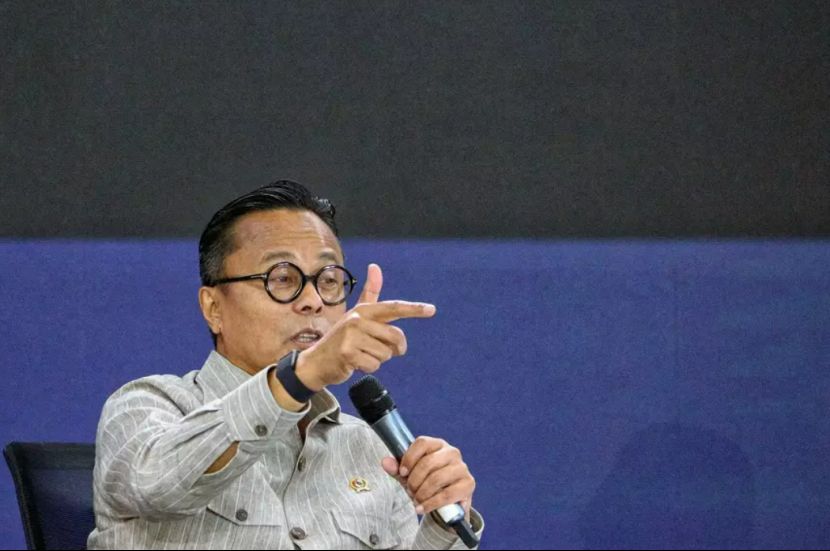
The head of Indonesia's state-owned enterprise regulatory agency and COO of Danantara stated that they will completely transform the business model of Indonesia's industrial estates, drawing on successful experiences from neighboring countries to make special economic zones and industrial estates more attractive.
Previously, Indonesia's estates relied on land sales as the core business, with the business ending once land was sold out, while the global mainstream model is free long-term land leasing, with revenue not coming from the land itself. The official pointed out that the cost of purchasing or leasing land has always been a heavy burden for investors before starting operations. The new policy will shift estate revenue sources from land sales to supplying utilities such as water, electricity, and natural gas, as well as recurring income from property operations like employee housing.
This policy will first be implemented at the Batang Industrial Special Economic Zone in Central Java, and later expanded to the Batimban Special Economic Zone. Currently, the state-owned enterprise regulatory agency and Danantara are integrating all state-owned enterprises in industrial estates under Danareksa, and have also completed the transfer of 4,000 hectares of assets from state plantation companies in the Batang area, fully preparing for the policy rollout.
The official emphasized that Indonesia's industrial contribution to GDP is currently at a low level, and this fundamental adjustment in the business model is centered on making industry the core driving force for future economic growth, increasing its share of GDP contribution.
Indonesia's state-owned enterprise regulatory agency is studying a bold policy of providing free land to potential investors, aiming to enhance Indonesia's regional competitiveness and stimulate both domestic and foreign investment. This strategy is directly instructed by President Prabowo, with the goal of ushering Indonesia into a new era of industrialization, making industry the engine of national economic growth.
The head of Indonesia's state-owned enterprise regulatory agency and COO of Danantara stated that they will completely transform the business model of Indonesia's industrial estates, drawing on successful experiences from neighboring countries to make special economic zones and industrial estates more attractive.
Previously, Indonesia's estates relied on land sales as the core business, with the business ending once land was sold out, while the global mainstream model is free long-term land leasing, with revenue not coming from the land itself. The official pointed out that the cost of purchasing or leasing land has always been a heavy burden for investors before starting operations. The new policy will shift estate revenue sources from land sales to supplying utilities such as water, electricity, and natural gas, as well as recurring income from property operations like employee housing.
This policy will first be implemented at the Batang Industrial Special Economic Zone in Central Java, and later expanded to the Batimban Special Economic Zone. Currently, the state-owned enterprise regulatory agency and Danantara are integrating all state-owned enterprises in industrial estates under Danareksa, and have also completed the transfer of 4,000 hectares of assets from state plantation companies in the Batang area, fully preparing for the policy rollout.
The official emphasized that Indonesia's industrial contribution to GDP is currently at a low level, and this fundamental adjustment in the business model is centered on making industry the core driving force for future economic growth, increasing its share of GDP contribution.
Indonesia Plans to Provide Free Land for Investors in Batang
www.indoent.com
2026-02-02
Indonesia's state-owned enterprise regulatory agency is studying a bold policy of providing free land to potential investors, aiming to enhance Indonesia's regional competitiveness and stimulate both domestic and foreign investment. This strategy is directly instructed by President Prabowo, with the goal of ushering Indonesia into a new era of industrialization, making industry the engine of national economic growth. The head of Indonesia's state-owned enterprise regulatory agency and COO of Danantara stated that they will completely transform the business model of Indonesia's industrial estates, drawing on successful experiences from neighboring countries to make special economic zones and industrial estates more attractive. Previously, Indonesia's estates relied on land sales as
Indonesia's state-owned enterprise regulatory agency is studying a bold policy of providing free land to potential investors, aiming to enhance Indonesia's regional competitiveness and stimulate both domestic and foreign investment. This strategy is directly instructed by President Prabowo, with the goal of ushering Indonesia into a new era of industrialization, making industry the engine of national economic growth.
The head of Indonesia's state-owned enterprise regulatory agency and COO of Danantara stated that they will completely transform the business model of Indonesia's industrial estates, drawing on successful experiences from neighboring countries to make special economic zones and industrial estates more attractive.
Previously, Indonesia's estates relied on land sales as the core business, with the business ending once land was sold out, while the global mainstream model is free long-term land leasing, with revenue not coming from the land itself. The official pointed out that the cost of purchasing or leasing land has always been a heavy burden for investors before starting operations. The new policy will shift estate revenue sources from land sales to supplying utilities such as water, electricity, and natural gas, as well as recurring income from property operations like employee housing.
This policy will first be implemented at the Batang Industrial Special Economic Zone in Central Java, and later expanded to the Batimban Special Economic Zone. Currently, the state-owned enterprise regulatory agency and Danantara are integrating all state-owned enterprises in industrial estates under Danareksa, and have also completed the transfer of 4,000 hectares of assets from state plantation companies in the Batang area, fully preparing for the policy rollout.
The official emphasized that Indonesia's industrial contribution to GDP is currently at a low level, and this fundamental adjustment in the business model is centered on making industry the core driving force for future economic growth, increasing its share of GDP contribution.
Tags
Policy Information
Share to
Related Reading
 Policy Information
Chinese Mainland and Hong Kong Enterprises Eligible for Relaxed Foreign Exchange Deposit Rules in Indonesia
2026-08-30 Policy Information
China-Indonesia Multi-Sector Strategic Cooperation Upgrade Blueprint
2026-08-23 Policy Information