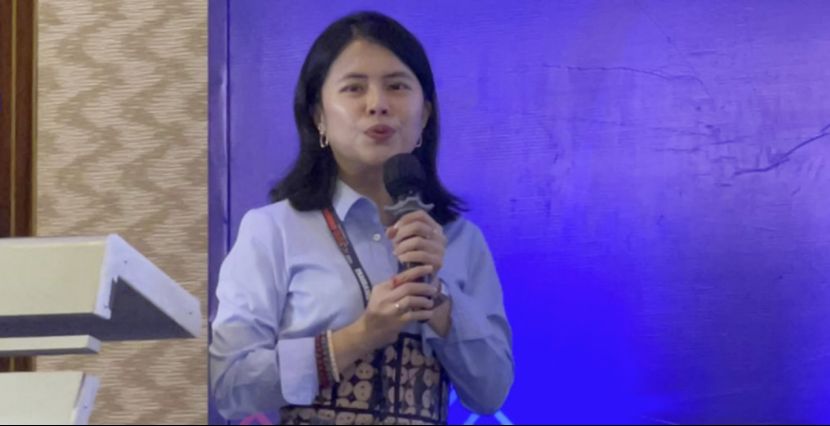
 At the "Indonesia Mining Outlook 2026" stakeholder iftar gathering held in Jakarta, the Director of External Relations of Indonesia's CNGR emphasized that regulatory transformation and strengthening of nickel downstream processing are crucial for maintaining the sustainability of Indonesia's nickel industry in the global market. She pointed out that CNGR's nickel products are not only for the electric vehicle (EV) industry but have a wider range of applications and have long been an important resource for the development of human civilization. People often think nickel is only related to EVs, but in reality, the nickel supplied by Indonesia serves broader global demand, including stainless steel and various other technologies. She reviewed the evolution of human technology: from wood, iron to stainless steel, and now to the application of nickel in electric vehicles and green energy development.
The future is not only about EVs but also the development of green energy technologies, creating a cleaner planet for the next generation. Since 2021, CNGR has been operating Oxygen-Enriched Side-Blown Furnace (OESBF) technology in Morowali, processing nickel ore into high-value-added products, covering nickel matte, high-grade nickel matte, nickel sulfate, and even electrolytic nickel with a purity of 99.99%. After three months of operational audit, Indonesian-produced electrolytic nickel has successfully entered the London Metal Exchange (LME), proving that Indonesian nickel has global competitiveness and is no longer so-called "dirty nickel." Indonesia has also become one of about 30 LME-registered producers worldwide. This achievement is attributed to the government's policy of banning raw ore exports ten years ago, which drove investment and technology transfer, accelerating the development of the domestic nickel downstream industry. Currently, Indonesia's nickel industry not only produces stainless steel and nickel pig iron (NPI) but also enters the EV supply chain, such as nickel sulfate and other battery materials. CNGR's Mixed Hydroxide Precipitate (MHP) production plan is still in the planning stage. As of the end of 2025, approximately 67% of the world's nickel processed into intermediate products comes from Indonesia. She reminded that this strategic position must be maintained by improving product quality, technological innovation, and regulatory compliance.
Other countries are also catching up in the market; if quality and sustainability are not maintained, the position may be replaced. She believes that the sustainability of Indonesia's nickel industry depends on the coordination of government policies, industry compliance, and continuous technological R&D. Finally, she reiterated CNGR's commitment to supporting the strengthening of nickel downstream processing and national industry integration, making Indonesia a strategic participant in the new energy supply chain through global compliance, industrial integration, and local value enhancement.
At the "Indonesia Mining Outlook 2026" stakeholder iftar gathering held in Jakarta, the Director of External Relations of Indonesia's CNGR emphasized that regulatory transformation and strengthening of nickel downstream processing are crucial for maintaining the sustainability of Indonesia's nickel industry in the global market. She pointed out that CNGR's nickel products are not only for the electric vehicle (EV) industry but have a wider range of applications and have long been an important resource for the development of human civilization. People often think nickel is only related to EVs, but in reality, the nickel supplied by Indonesia serves broader global demand, including stainless steel and various other technologies. She reviewed the evolution of human technology: from wood, iron to stainless steel, and now to the application of nickel in electric vehicles and green energy development.
The future is not only about EVs but also the development of green energy technologies, creating a cleaner planet for the next generation. Since 2021, CNGR has been operating Oxygen-Enriched Side-Blown Furnace (OESBF) technology in Morowali, processing nickel ore into high-value-added products, covering nickel matte, high-grade nickel matte, nickel sulfate, and even electrolytic nickel with a purity of 99.99%. After three months of operational audit, Indonesian-produced electrolytic nickel has successfully entered the London Metal Exchange (LME), proving that Indonesian nickel has global competitiveness and is no longer so-called "dirty nickel." Indonesia has also become one of about 30 LME-registered producers worldwide. This achievement is attributed to the government's policy of banning raw ore exports ten years ago, which drove investment and technology transfer, accelerating the development of the domestic nickel downstream industry. Currently, Indonesia's nickel industry not only produces stainless steel and nickel pig iron (NPI) but also enters the EV supply chain, such as nickel sulfate and other battery materials. CNGR's Mixed Hydroxide Precipitate (MHP) production plan is still in the planning stage. As of the end of 2025, approximately 67% of the world's nickel processed into intermediate products comes from Indonesia. She reminded that this strategic position must be maintained by improving product quality, technological innovation, and regulatory compliance.
Other countries are also catching up in the market; if quality and sustainability are not maintained, the position may be replaced. She believes that the sustainability of Indonesia's nickel industry depends on the coordination of government policies, industry compliance, and continuous technological R&D. Finally, she reiterated CNGR's commitment to supporting the strengthening of nickel downstream processing and national industry integration, making Indonesia a strategic participant in the new energy supply chain through global compliance, industrial integration, and local value enhancement.
Nickel Industry Transformation and Downstream Development Benefit Indonesia's Sustainable Development
www.indoent.com
2026-03-08
At the "Indonesia Mining Outlook 2026" stakeholder iftar gathering held in Jakarta, the Director of External Relations of Indonesia's CNGR emphasized that regulatory transformation and strengthening of nickel downstream processing are crucial for maintaining the sustainability of Indonesia's nickel industry in the global market. She pointed out that CNGR's nickel products are not only for the electric vehicle (EV) industry but have a wider range of applications and have long been an important resource for the development of human civilization. People often think nickel is only related to EVs, but in reality, the nickel supplied by Indonesia serves broader global demand, including stainless steel and
At the "Indonesia Mining Outlook 2026" stakeholder iftar gathering held in Jakarta, the Director of External Relations of Indonesia's CNGR emphasized that regulatory transformation and strengthening of nickel downstream processing are crucial for maintaining the sustainability of Indonesia's nickel industry in the global market. She pointed out that CNGR's nickel products are not only for the electric vehicle (EV) industry but have a wider range of applications and have long been an important resource for the development of human civilization. People often think nickel is only related to EVs, but in reality, the nickel supplied by Indonesia serves broader global demand, including stainless steel and various other technologies. She reviewed the evolution of human technology: from wood, iron to stainless steel, and now to the application of nickel in electric vehicles and green energy development.
The future is not only about EVs but also the development of green energy technologies, creating a cleaner planet for the next generation. Since 2021, CNGR has been operating Oxygen-Enriched Side-Blown Furnace (OESBF) technology in Morowali, processing nickel ore into high-value-added products, covering nickel matte, high-grade nickel matte, nickel sulfate, and even electrolytic nickel with a purity of 99.99%. After three months of operational audit, Indonesian-produced electrolytic nickel has successfully entered the London Metal Exchange (LME), proving that Indonesian nickel has global competitiveness and is no longer so-called "dirty nickel." Indonesia has also become one of about 30 LME-registered producers worldwide. This achievement is attributed to the government's policy of banning raw ore exports ten years ago, which drove investment and technology transfer, accelerating the development of the domestic nickel downstream industry. Currently, Indonesia's nickel industry not only produces stainless steel and nickel pig iron (NPI) but also enters the EV supply chain, such as nickel sulfate and other battery materials. CNGR's Mixed Hydroxide Precipitate (MHP) production plan is still in the planning stage. As of the end of 2025, approximately 67% of the world's nickel processed into intermediate products comes from Indonesia. She reminded that this strategic position must be maintained by improving product quality, technological innovation, and regulatory compliance.
Other countries are also catching up in the market; if quality and sustainability are not maintained, the position may be replaced. She believes that the sustainability of Indonesia's nickel industry depends on the coordination of government policies, industry compliance, and continuous technological R&D. Finally, she reiterated CNGR's commitment to supporting the strengthening of nickel downstream processing and national industry integration, making Indonesia a strategic participant in the new energy supply chain through global compliance, industrial integration, and local value enhancement.
Tags
Industry News
Share to
Related Reading
 Industry Flash
Cheap Chinese Plastics Impact Indonesia's Petrochemical Industry, Association Calls for Protection
2026-09-03 Industry News
Investment Heat in Two Key Industrial Parks in Central Java Continues to Rise
2026-08-31 Industry News