
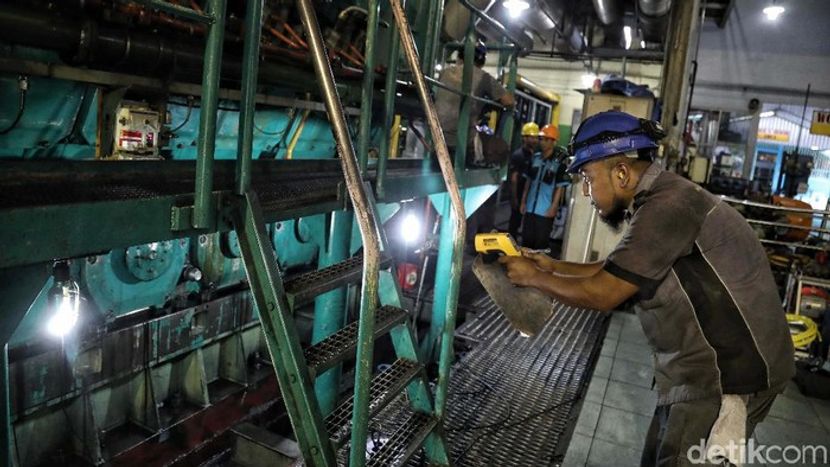
 The Indonesian government has announced a gradual phase-out of diesel power plants (PLTD), with future electricity supply to be replaced by solar power plants (PLTS). This plan is a key component of the 100 GW solar power plant construction target previously proposed by the Ministry of Energy and Mineral Resources.
The Deputy Minister of Energy and Mineral Resources stated in Jakarta that areas still relying on diesel power will be converted to solar power in batches. He revealed that the ministry, through the Directorate General of Electricity and the Directorate General of New and Renewable Energy, has completed planning, identifying more than 30 priority locations for solar power plant construction, with a focus on Eastern Indonesia, where dependence on diesel power remains highest and the need for transition is most urgent. Previously, the Minister of Energy and Mineral Resources also announced that the government plans to officially launch the diesel power plant replacement project after Eid al-Fitr, prioritizing the conversion of diesel-fueled power plants into solar and geothermal power projects. He emphasized that this is a key step in the energy transition and must be fully implemented.
The core objective of this energy transition plan is to maximize the use of Indonesia's domestic renewable energy potential, reduce dependence on fossil fuels, and thereby strengthen national energy resilience, shielding the country from global energy price fluctuations and geopolitical shocks.
The Minister stated that by fully developing domestic clean energy, Indonesia can effectively reduce energy import risks and ensure national energy security. As diesel power plants are gradually phased out, clean energy sources such as solar and geothermal will occupy a more important position in Indonesia's electricity mix.The government hopes that through this transition, it can both achieve environmental carbon reduction and stabilize electricity prices while improving the reliability of power supply in remote areas, ultimately driving the national energy system toward a cleaner and more sustainable direction.
The Indonesian government has announced a gradual phase-out of diesel power plants (PLTD), with future electricity supply to be replaced by solar power plants (PLTS). This plan is a key component of the 100 GW solar power plant construction target previously proposed by the Ministry of Energy and Mineral Resources.
The Deputy Minister of Energy and Mineral Resources stated in Jakarta that areas still relying on diesel power will be converted to solar power in batches. He revealed that the ministry, through the Directorate General of Electricity and the Directorate General of New and Renewable Energy, has completed planning, identifying more than 30 priority locations for solar power plant construction, with a focus on Eastern Indonesia, where dependence on diesel power remains highest and the need for transition is most urgent. Previously, the Minister of Energy and Mineral Resources also announced that the government plans to officially launch the diesel power plant replacement project after Eid al-Fitr, prioritizing the conversion of diesel-fueled power plants into solar and geothermal power projects. He emphasized that this is a key step in the energy transition and must be fully implemented.
The core objective of this energy transition plan is to maximize the use of Indonesia's domestic renewable energy potential, reduce dependence on fossil fuels, and thereby strengthen national energy resilience, shielding the country from global energy price fluctuations and geopolitical shocks.
The Minister stated that by fully developing domestic clean energy, Indonesia can effectively reduce energy import risks and ensure national energy security. As diesel power plants are gradually phased out, clean energy sources such as solar and geothermal will occupy a more important position in Indonesia's electricity mix.The government hopes that through this transition, it can both achieve environmental carbon reduction and stabilize electricity prices while improving the reliability of power supply in remote areas, ultimately driving the national energy system toward a cleaner and more sustainable direction.
Indonesian Solar Power Plants to Replace Diesel Power Plants
www.indoent.com
2026-03-16
The Indonesian government has announced a gradual phase-out of diesel power plants (PLTD), with future electricity supply to be replaced by solar power plants (PLTS). This plan is a key component of the 100 GW solar power plant construction target previously proposed by the Ministry of Energy and Mineral Resources. The Deputy Minister of Energy and Mineral Resources stated in Jakarta that areas still relying on diesel power will be converted to solar power in batches. He revealed that the ministry, through the Directorate General of Electricity and the Directorate General of New and Renewable Energy, has completed planning, identifying more than 30 priority locations for solar power plant construction, with a focus on
The Indonesian government has announced a gradual phase-out of diesel power plants (PLTD), with future electricity supply to be replaced by solar power plants (PLTS). This plan is a key component of the 100 GW solar power plant construction target previously proposed by the Ministry of Energy and Mineral Resources.
The Deputy Minister of Energy and Mineral Resources stated in Jakarta that areas still relying on diesel power will be converted to solar power in batches. He revealed that the ministry, through the Directorate General of Electricity and the Directorate General of New and Renewable Energy, has completed planning, identifying more than 30 priority locations for solar power plant construction, with a focus on Eastern Indonesia, where dependence on diesel power remains highest and the need for transition is most urgent. Previously, the Minister of Energy and Mineral Resources also announced that the government plans to officially launch the diesel power plant replacement project after Eid al-Fitr, prioritizing the conversion of diesel-fueled power plants into solar and geothermal power projects. He emphasized that this is a key step in the energy transition and must be fully implemented.
The core objective of this energy transition plan is to maximize the use of Indonesia's domestic renewable energy potential, reduce dependence on fossil fuels, and thereby strengthen national energy resilience, shielding the country from global energy price fluctuations and geopolitical shocks.
The Minister stated that by fully developing domestic clean energy, Indonesia can effectively reduce energy import risks and ensure national energy security. As diesel power plants are gradually phased out, clean energy sources such as solar and geothermal will occupy a more important position in Indonesia's electricity mix.The government hopes that through this transition, it can both achieve environmental carbon reduction and stabilize electricity prices while improving the reliability of power supply in remote areas, ultimately driving the national energy system toward a cleaner and more sustainable direction.
Tags
Industry News
Share to
Related Reading
 Industry Flash
Cheap Chinese Plastics Impact Indonesia's Petrochemical Industry, Association Calls for Protection
2026-09-03 Industry News
Investment Heat in Two Key Industrial Parks in Central Java Continues to Rise
2026-08-31 Industry News