
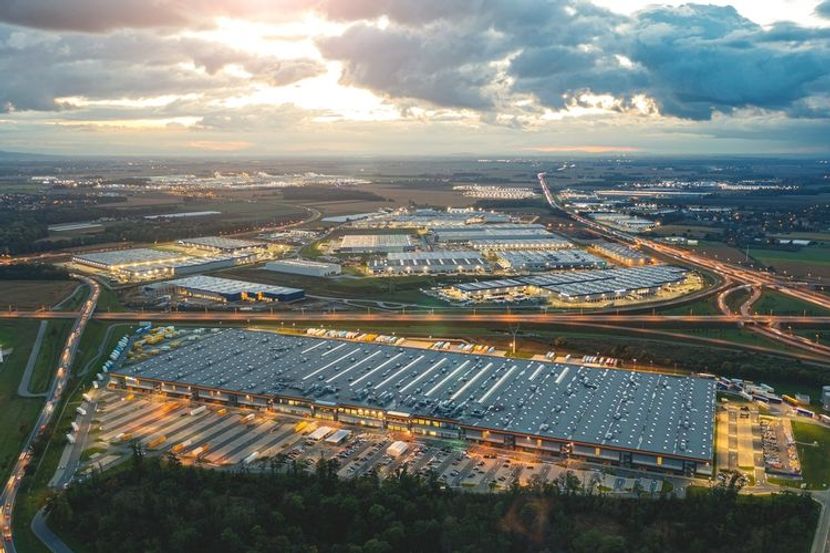
 For thirty years, Indonesia's industrial concentration has been centered in Bekasi and Karawang. As these areas mature, with industrial land depletion and rising operational costs, global investment is shifting en masse to Subang, rapidly transforming it into a strategic node in the global supply chain. The most notable change over the past year has been the explosive growth of Chinese investment in Subang. As of February 2026, Chinese investors have occupied 50% of the total investment in Subang Smartpolitan. Developed by PT Surya Semesta Internusa Tbk (SSIA), this industrial park spans 2,717 hectares and is an integrated comprehensive industrial city.
The Vice President of Sales & Marketing at Suryacipta Swadaya stated that the core reason for the large-scale entry of Chinese companies is the need for large areas of land to achieve economies of scale, which is the only way to compete with Japanese and Korean manufacturers in production cost efficiency. BYD has become the key catalyst for this industrial shift. This global automotive giant is not only building a 108-hectare factory locally but has also driven the entry of a full supply chain of supporting enterprises, including the Polytron power battery plant, Xinfang, Jiangsu Jinda, and Komatsu, collectively strengthening Subang's manufacturing ecosystem.
According to Jones Lang LaSalle (JLL) research, Subang's appeal also lies in the transition from labor-intensive industries to high-value-added industries. The industrial park has been positioned from the start to serve future industries such as electric vehicles and data centers. The park's occupancy rate remains above 85%, performing strongly despite the global economic slowdown. As of March 2026, land prices in Subang Smartpolitan have risen to USD 150 per square meter, a 20% increase from the initial price. Colliers International emphasizes that Subang has exceptional infrastructure integration advantages, adjacent to the Cipali Toll Road and close to the Patimban Deep Seaport, which will be fully operational by the end of 2026, positioning Subang as the new standard for industrial cities in Southeast Asia. Agencies predict that demand for industrial land in Subang will continue to grow at 15%–20% annually until 2028.
Subang's promising prospects have also attracted strategic investments from major Indonesian conglomerates. In 2025, Djarum Group acquired a 9.06% stake in SSIA through its subsidiary; Barito Pacific Group held a 6.25% stake through Chandra Asri. The entry of these two groups is seen as an important signal that Subang is the future of Indonesian industry. Unlike Central Java, which attracts investment with low minimum wages, West Java's core competitiveness lies in a mature industrial ecosystem and skilled technical workers. Subang's minimum wage is approximately IDR 3.7 million, 36% lower than Bekasi and Karawang's IDR 5.8 million, significantly reducing operational costs without sacrificing labor quality.
Industry insiders indicate that the influx of global capital, including from China, will also serve as a strategic tool for technology transfer. The combination of high-end manufacturing, deep-sea logistics, and skilled labor will enhance Indonesia's position in the global supply chain. In the future, Subang Smartpolitan will transform from a cluster of foreign factories into Indonesia's domestic industrial innovation center.
For thirty years, Indonesia's industrial concentration has been centered in Bekasi and Karawang. As these areas mature, with industrial land depletion and rising operational costs, global investment is shifting en masse to Subang, rapidly transforming it into a strategic node in the global supply chain. The most notable change over the past year has been the explosive growth of Chinese investment in Subang. As of February 2026, Chinese investors have occupied 50% of the total investment in Subang Smartpolitan. Developed by PT Surya Semesta Internusa Tbk (SSIA), this industrial park spans 2,717 hectares and is an integrated comprehensive industrial city.
The Vice President of Sales & Marketing at Suryacipta Swadaya stated that the core reason for the large-scale entry of Chinese companies is the need for large areas of land to achieve economies of scale, which is the only way to compete with Japanese and Korean manufacturers in production cost efficiency. BYD has become the key catalyst for this industrial shift. This global automotive giant is not only building a 108-hectare factory locally but has also driven the entry of a full supply chain of supporting enterprises, including the Polytron power battery plant, Xinfang, Jiangsu Jinda, and Komatsu, collectively strengthening Subang's manufacturing ecosystem.
According to Jones Lang LaSalle (JLL) research, Subang's appeal also lies in the transition from labor-intensive industries to high-value-added industries. The industrial park has been positioned from the start to serve future industries such as electric vehicles and data centers. The park's occupancy rate remains above 85%, performing strongly despite the global economic slowdown. As of March 2026, land prices in Subang Smartpolitan have risen to USD 150 per square meter, a 20% increase from the initial price. Colliers International emphasizes that Subang has exceptional infrastructure integration advantages, adjacent to the Cipali Toll Road and close to the Patimban Deep Seaport, which will be fully operational by the end of 2026, positioning Subang as the new standard for industrial cities in Southeast Asia. Agencies predict that demand for industrial land in Subang will continue to grow at 15%–20% annually until 2028.
Subang's promising prospects have also attracted strategic investments from major Indonesian conglomerates. In 2025, Djarum Group acquired a 9.06% stake in SSIA through its subsidiary; Barito Pacific Group held a 6.25% stake through Chandra Asri. The entry of these two groups is seen as an important signal that Subang is the future of Indonesian industry. Unlike Central Java, which attracts investment with low minimum wages, West Java's core competitiveness lies in a mature industrial ecosystem and skilled technical workers. Subang's minimum wage is approximately IDR 3.7 million, 36% lower than Bekasi and Karawang's IDR 5.8 million, significantly reducing operational costs without sacrificing labor quality.
Industry insiders indicate that the influx of global capital, including from China, will also serve as a strategic tool for technology transfer. The combination of high-end manufacturing, deep-sea logistics, and skilled labor will enhance Indonesia's position in the global supply chain. In the future, Subang Smartpolitan will transform from a cluster of foreign factories into Indonesia's domestic industrial innovation center.
Chinese Capital Leads, Subang Becomes New Center of Indonesian Industrial Investment
www.indoent.com
2026-03-16
For thirty years, Indonesia's industrial concentration has been centered in Bekasi and Karawang. As these areas mature, with industrial land depleted and operational costs rising, global investment is shifting en masse to Subang, rapidly transforming it into a strategic node in the global supply chain. The most notable change over the past year has been the explosive growth of Chinese investment in Subang. As of February 2026, Chinese investors have occupied Subang Smartpolitan
For thirty years, Indonesia's industrial concentration has been centered in Bekasi and Karawang. As these areas mature, with industrial land depletion and rising operational costs, global investment is shifting en masse to Subang, rapidly transforming it into a strategic node in the global supply chain. The most notable change over the past year has been the explosive growth of Chinese investment in Subang. As of February 2026, Chinese investors have occupied 50% of the total investment in Subang Smartpolitan. Developed by PT Surya Semesta Internusa Tbk (SSIA), this industrial park spans 2,717 hectares and is an integrated comprehensive industrial city.
The Vice President of Sales & Marketing at Suryacipta Swadaya stated that the core reason for the large-scale entry of Chinese companies is the need for large areas of land to achieve economies of scale, which is the only way to compete with Japanese and Korean manufacturers in production cost efficiency. BYD has become the key catalyst for this industrial shift. This global automotive giant is not only building a 108-hectare factory locally but has also driven the entry of a full supply chain of supporting enterprises, including the Polytron power battery plant, Xinfang, Jiangsu Jinda, and Komatsu, collectively strengthening Subang's manufacturing ecosystem.
According to Jones Lang LaSalle (JLL) research, Subang's appeal also lies in the transition from labor-intensive industries to high-value-added industries. The industrial park has been positioned from the start to serve future industries such as electric vehicles and data centers. The park's occupancy rate remains above 85%, performing strongly despite the global economic slowdown. As of March 2026, land prices in Subang Smartpolitan have risen to USD 150 per square meter, a 20% increase from the initial price. Colliers International emphasizes that Subang has exceptional infrastructure integration advantages, adjacent to the Cipali Toll Road and close to the Patimban Deep Seaport, which will be fully operational by the end of 2026, positioning Subang as the new standard for industrial cities in Southeast Asia. Agencies predict that demand for industrial land in Subang will continue to grow at 15%–20% annually until 2028.
Subang's promising prospects have also attracted strategic investments from major Indonesian conglomerates. In 2025, Djarum Group acquired a 9.06% stake in SSIA through its subsidiary; Barito Pacific Group held a 6.25% stake through Chandra Asri. The entry of these two groups is seen as an important signal that Subang is the future of Indonesian industry. Unlike Central Java, which attracts investment with low minimum wages, West Java's core competitiveness lies in a mature industrial ecosystem and skilled technical workers. Subang's minimum wage is approximately IDR 3.7 million, 36% lower than Bekasi and Karawang's IDR 5.8 million, significantly reducing operational costs without sacrificing labor quality.
Industry insiders indicate that the influx of global capital, including from China, will also serve as a strategic tool for technology transfer. The combination of high-end manufacturing, deep-sea logistics, and skilled labor will enhance Indonesia's position in the global supply chain. In the future, Subang Smartpolitan will transform from a cluster of foreign factories into Indonesia's domestic industrial innovation center.
Tags
Social Trends
Share to


