
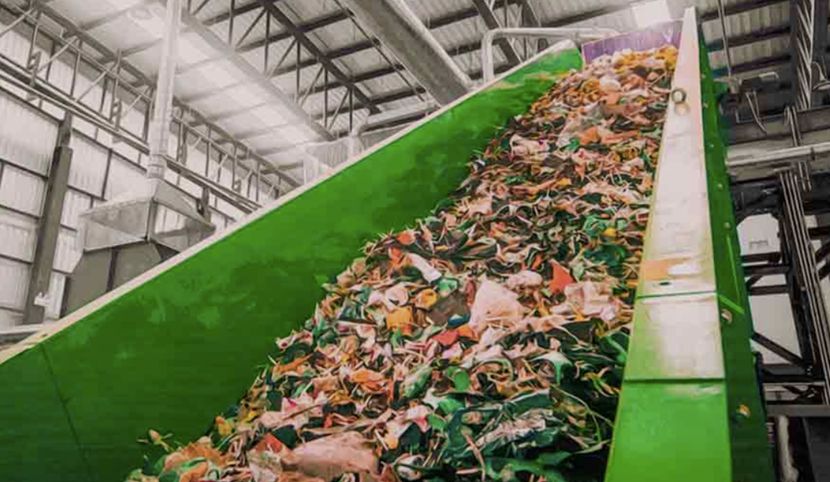
 At the start of 2026, a bombshell was dropped in Indonesia's environmental protection market. With the official announcement of Indonesia's sovereign wealth fund Danantara, two Chinese environmental protection giants, Wangneng Environment and Weiming Environmental Protection, successfully planted their flags on two difficult sites: Bekasi near Jakarta and Bali. This is not only a major breakthrough for Chinese enterprises going global but also a turning point for Indonesia's waste-to-energy industry from stumbling to sprinting.
Today, Manager Wang has compiled a report on Indonesia's waste-to-energy industry to help you understand the wealth logic behind it.
At the start of 2026, a bombshell was dropped in Indonesia's environmental protection market. With the official announcement of Indonesia's sovereign wealth fund Danantara, two Chinese environmental protection giants, Wangneng Environment and Weiming Environmental Protection, successfully planted their flags on two difficult sites: Bekasi near Jakarta and Bali. This is not only a major breakthrough for Chinese enterprises going global but also a turning point for Indonesia's waste-to-energy industry from stumbling to sprinting.
Today, Manager Wang has compiled a report on Indonesia's waste-to-energy industry to help you understand the wealth logic behind it.
Two Chinese Companies Win Bids for Indonesia Waste-to-Energy Projects
www.indoent.com
2026-03-18
At the start of 2026, a bombshell was dropped in Indonesia's environmental protection market. With the official announcement of Indonesia's sovereign wealth fund Danantara, two Chinese environmental protection giants, Wangneng Environment and Weiming Environmental Protection, successfully planted their flags on two difficult sites: Bekasi near Jakarta and Bali. This is not only a major breakthrough for Chinese enterprises going global but also a turning point for Indonesia's waste-to-energy industry from stumbling to sprinting. Today, Manager Wang has compiled a report on Indonesia's waste-to-energy industry to help you understand the wealth logic behind it. First, top-level regulations
At the start of 2026, a bombshell was dropped in Indonesia's environmental protection market. With the official announcement of Indonesia's sovereign wealth fund Danantara, two Chinese environmental protection giants, Wangneng Environment and Weiming Environmental Protection, successfully planted their flags on two difficult sites: Bekasi near Jakarta and Bali. This is not only a major breakthrough for Chinese enterprises going global but also a turning point for Indonesia's waste-to-energy industry from stumbling to sprinting.
Today, Manager Wang has compiled a report on Indonesia's waste-to-energy industry to help you understand the wealth logic behind it.
Share to
Related Reading
 China Investment News
China's AiMOGA Humanoid Robot Obtains Three International Certifications
2026-09-07 China Investment News
Only Three Chinese Automakers Have Independently Built Factories in Indonesia
2026-09-05 Chinese Investment News