
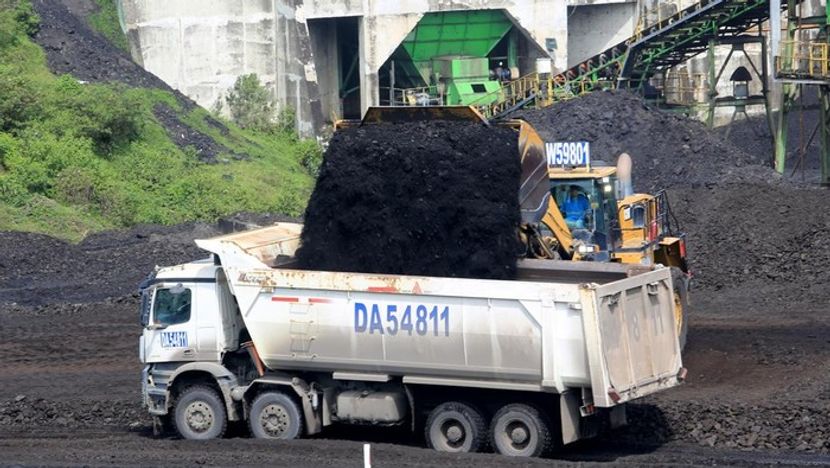
Chinese Brand Trucks Dominate Indonesian Mining Market
According to Indonesia's Law No. 22 of 2009 on Road Traffic, imported trucks (CBU) operating only in mining/industrial zones are exempt from SRUT certification (vehicle type registration test). The applicable scenarios are internal mining transport, closed industrial zones, and other non-public road operations. Reasons for exemption include: vehicle design only suitable for complex mining terrain (e.g., 40° slopes), maximum speed ≤40 km/h, not meeting public road safety standards; exemption from testing reduces import costs by 20% (price of Chinese Shacman trucks drops to IDR 1.8 billion). The mining truck market is currently
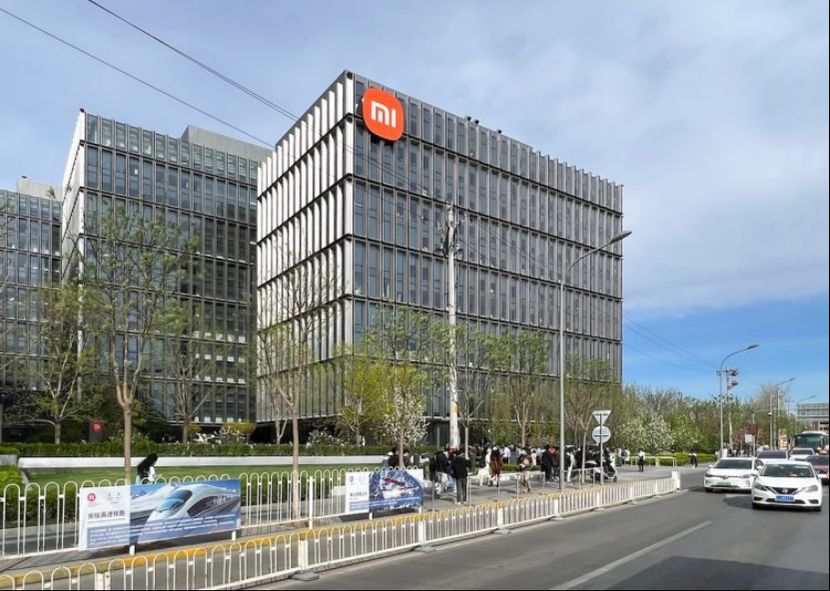
Xiaomi Dominates Southeast Asia and Indonesia Smartphone Markets in Q2
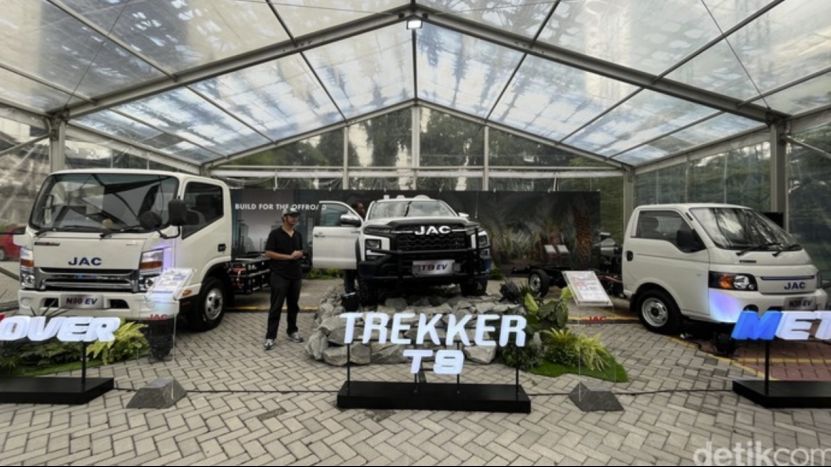
JAC Motors Officially Enters Indonesian Commercial Vehicle Market
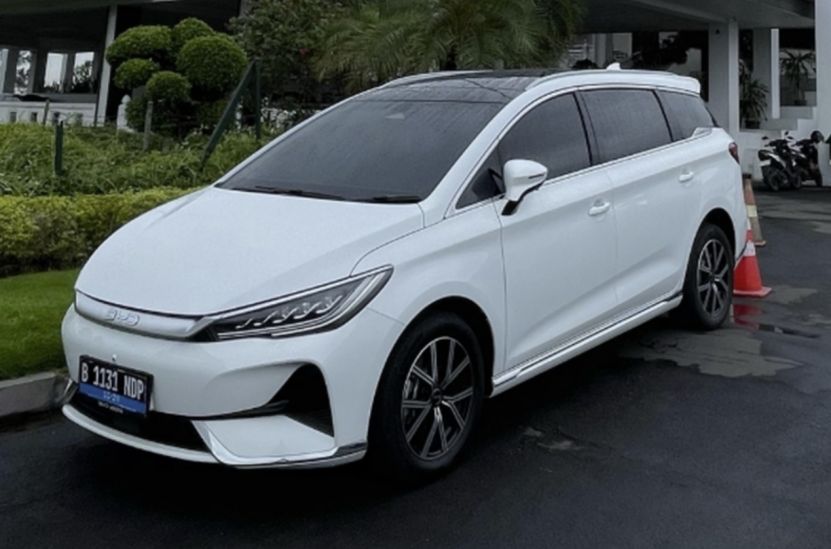
BYD Electric Vehicle Performs Well on Long-Distance Trip in Indonesia
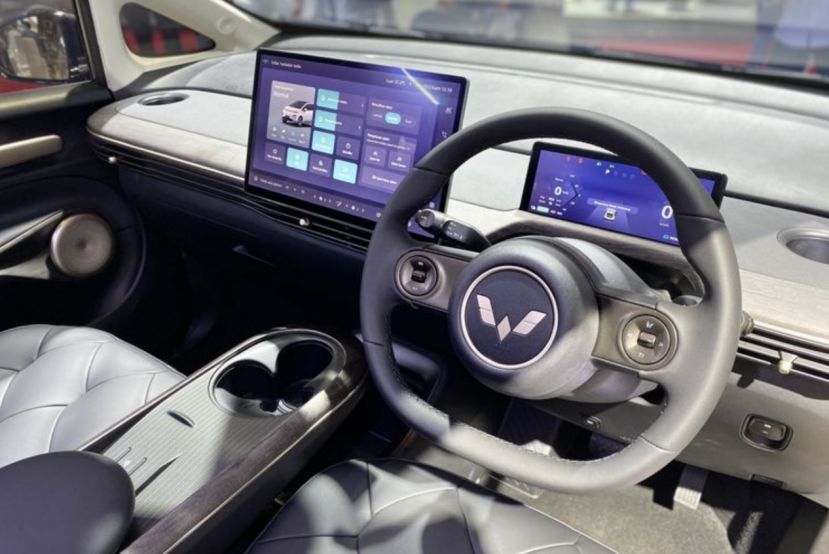
Real Owner Experience of Wuling Cloud EV in Indonesia
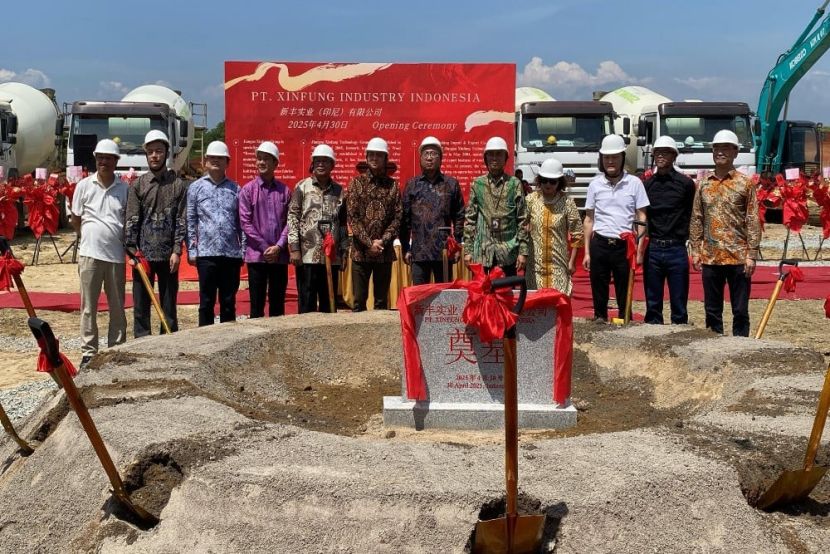
Many Chinese Companies Shift Investment to Jababeka Due to US Tariffs
The US imposed a 19% reciprocal tariff (the "Trump tariff") on Indonesia, which is predicted to attract investment in the industrial and manufacturing sectors. Compared to neighboring countries and regions such as Taiwan (20%) and Vietnam (20%), Indonesia's 19% tariff is relatively low, making it somewhat attractive to certain foreign investors. However, this investment interest is limited to specific products. Since early 2025, Chinese and East Asian companies have shown increased investment interest in Indonesia's Jababeka Industrial Estate, with a rise in visits as well. The US tariff policy has driven the "China+1" strategy,
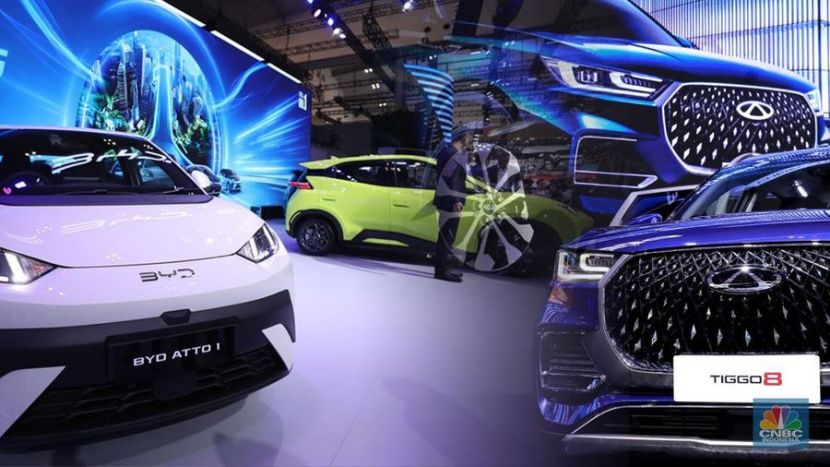
Chinese Brands Dominate Indonesia's EV Market
From January to July 2025, wholesale volume of pure electric vehicles in Indonesia reached 42,178 units, close to the full-year total of 43,188 units in 2024. In July 2025, the wholesale volume of BEVs was 5,433 units, a slight decrease of 1.23% from June's 5,501 units. The top ten selling EVs in July were all Chinese brands, with no Japanese or Korean brands on the list. Specific rankings and sales: BYD Sealion 7: 939 units; BYD M6: 891 units; Denza D9 (BYD's high-end sub-brand): 523 units; Chery J6:
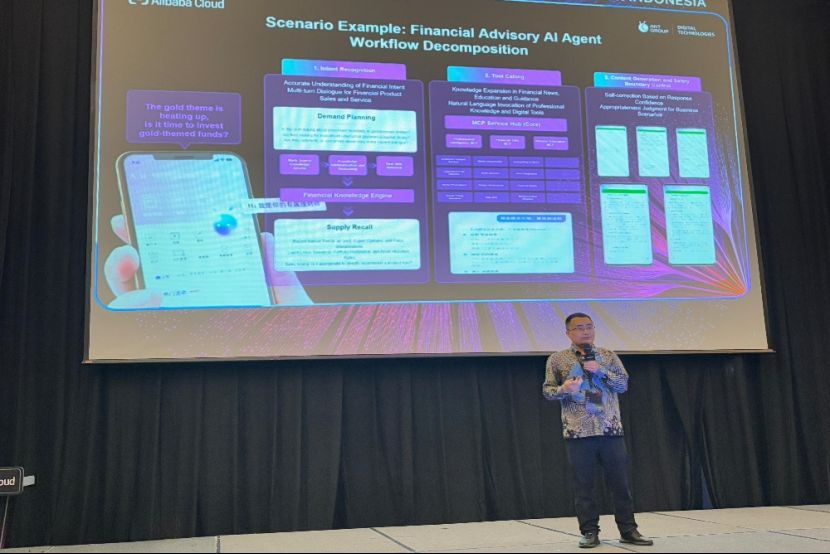
Ant Digital Technologies Enters Indonesian Financial Market
Ant Digital Technologies, a subsidiary of Chinese tech giant Ant Group, has officially entered the Indonesian financial market, taking Indonesia as its starting point for expansion in Southeast Asia. It plans to revolutionize the local digital financial landscape through AI solutions. The company's head stated that they will continue to invest in developing solutions that meet and exceed the evolving needs of customers and partners, committing to secure, smooth, and intelligent innovation. The company's main products and services in the local market include ZOLOZ: AI-based digital identity
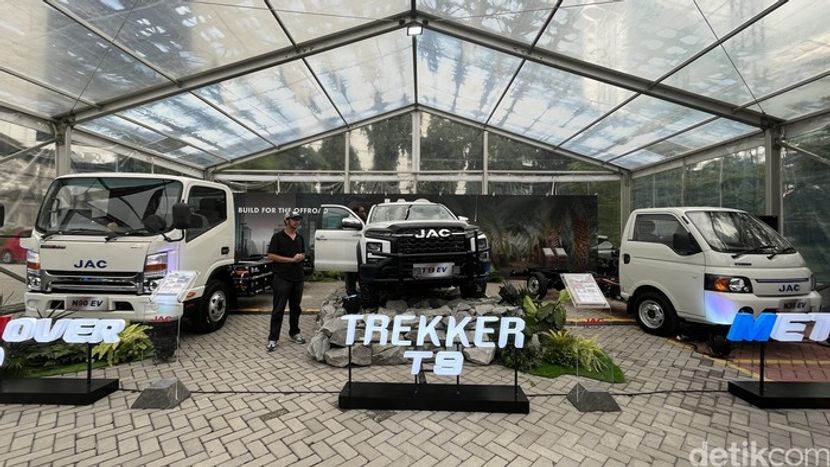
JAC Motors Officially Enters Indonesian Sales Market
Chinese auto brand JAC Motors has officially entered the Indonesian market in cooperation with the Indonesian Indomobil Group. The two sides have been cooperating since 2023, during which time they localized products to suit the Indonesian market and consumer needs. JAC Motors initially focuses on the electric commercial vehicle segment in Indonesia, rather than passenger cars, due to positive changes in market demand and efficiency for electric commercial vehicles. The brand will first launch three models: light pickup JAC EV N35, double-cabin pickup JAC Trek
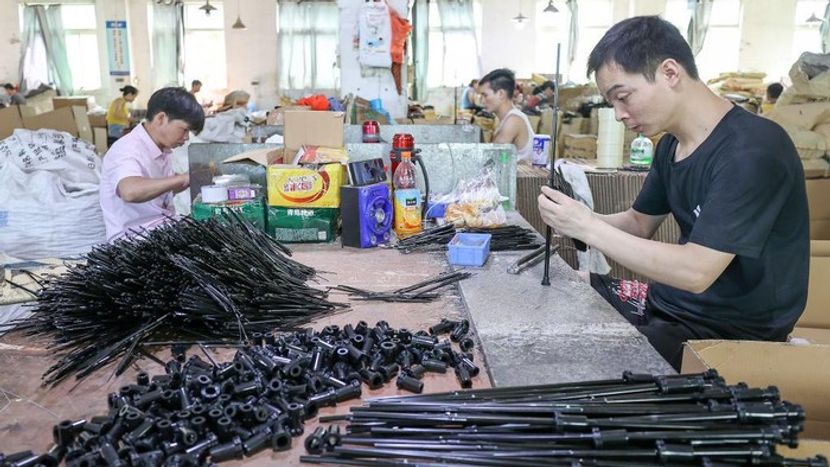
Chinese Companies Accelerate Expansion, Investment in Indonesia Soars by $8.2 Billion
To avoid high US tariffs, Chinese companies are planning to expand their operations or set up new entities in Indonesia. The US imposes tariffs of over 30% on Chinese goods, while tariffs on goods from Indonesia, Malaysia, the Philippines, and Thailand are 19%, and 20% on Vietnamese goods. Chinese companies have a strong interest in investing in Indonesia, with a surge in inquiries and registration demand across industries such as toy manufacturing, textiles, and electric vehicles. Large industrial zones in Indonesia (such as Subang Smartpolitan in West Java, covering over 2,700 hectares) have received numerous inquiries from Chinese investors. Indonesia has a massive consumer market, and it is believed that capturing the Indonesian market is equivalent to capturing half of Southeast Asia, enabling companies to achieve net profit margins of 20%–30%.

Significant Increase in Chinese Enterprises' Demand for Warehousing in Indonesia
In the second quarter of 2025, Indonesia's foreign direct investment (FDI) contracted 12.8% year-on-year, but the modern warehousing sector in Greater Jakarta (Jabodetabek) was positively influenced by foreign investment, with utilization rates rising from 89% to 94% in the first half of 2025. No new warehouses were built in 2025, and investors (especially in Cikarang and Karawang) are actively searching for warehousing locations. Warehouse supply has nearly tripled from 1.3 million square meters in 2018 to 3 million square meters by end of June 2025. Many Chinese companies are inquiring about warehouse leasing in Indonesia, preferring
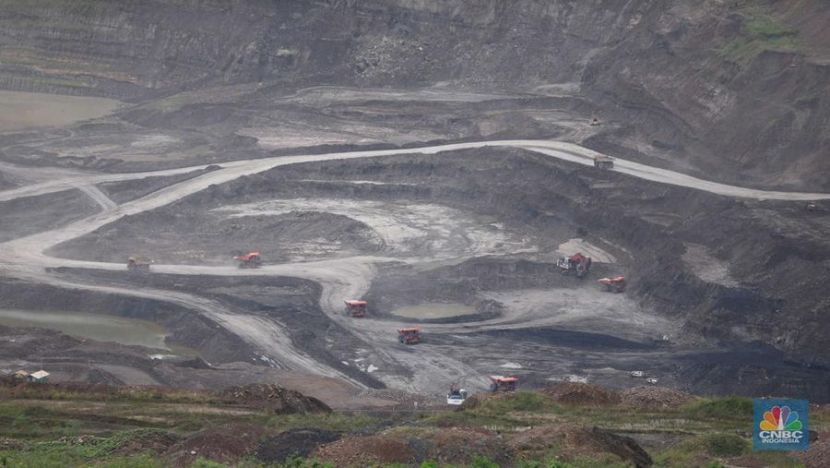
Influx of Chinese Imported Trucks into Indonesia Impacts Local Brands
The Indonesian Ministry of Transportation has shared its views on the large influx of Chinese imported trucks entering Indonesia, particularly in mining areas, and has received reports on many related issues. The Director General of Land Transportation at the Ministry stated that there have been many feedbacks regarding vehicles for cargo transport in mining areas, where these vehicles are listed as capital goods rather than ordinary goods. This situation requires study as it is important to the public, but detailed future steps by the Ministry, including possible sanctions, have not yet been elaborated. He also pointed out potential non-applicability issues. PT Krama Yudha Tiga Berlian Mo