
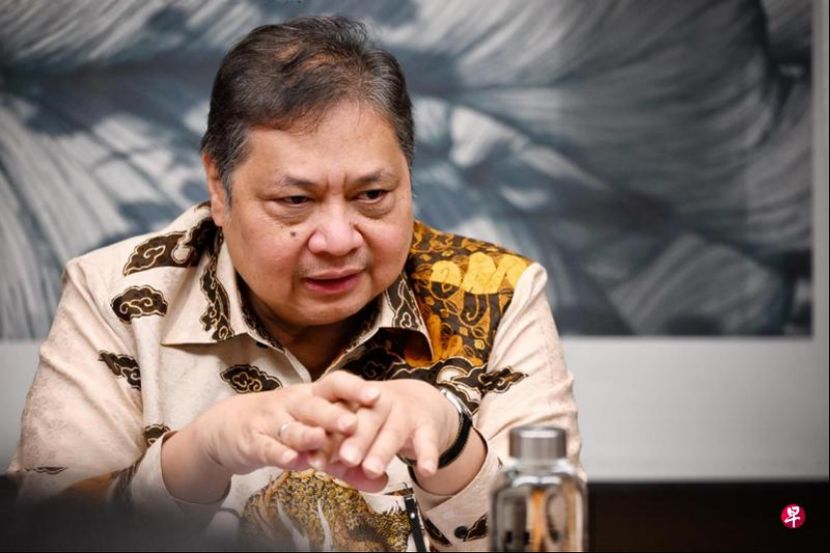
Fujian Invests IDR 16 Trillion in Batang Special Economic Zone
Indonesia plans to establish six new special economic zones, five of which are located in Sidoarjo, East Java; East Kutai, East Kalimantan; Bulungan, North Kalimantan; and Subang, West Java. The Chief Economic Minister stated that the Fujian Provincial Government of China plans to invest IDR 16 trillion in the Batang Special Economic Zone in Central Java. Xinhua News Agency reported in September last year, citing his remarks, about the plan to establish new special economic zones. Reuters reported that he stated President Prabowo and Chinese leaders discussed this investment plan, but he did not disclose further details. He also mentioned that President Prabowo plans to visit the Batang Special Economic Zone on March 20.
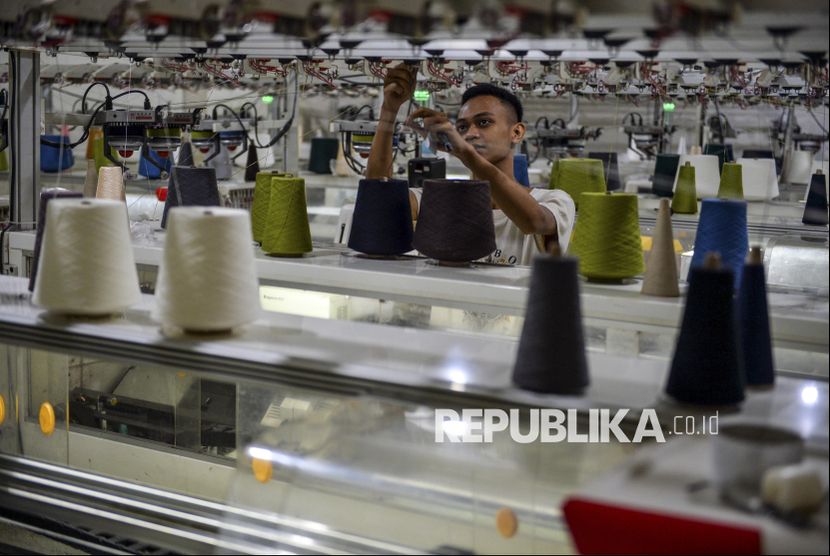
Indonesia's Imports of Chinese Textiles Decline in February
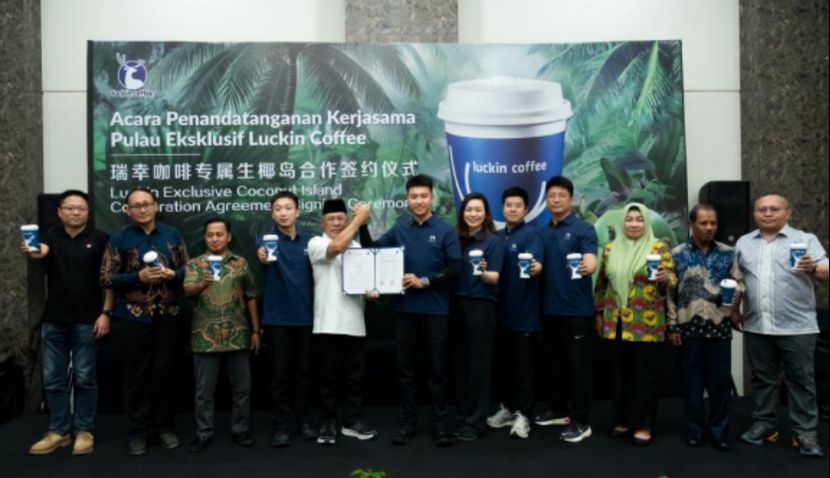
Luckin Coffee Establishes Exclusive Coconut Island in Indonesia
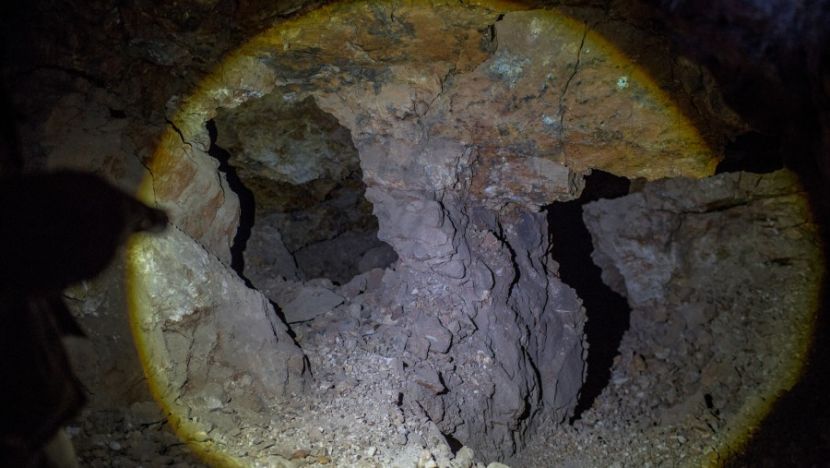
Indonesia Ranks Second Globally in Cobalt Production and Reserves
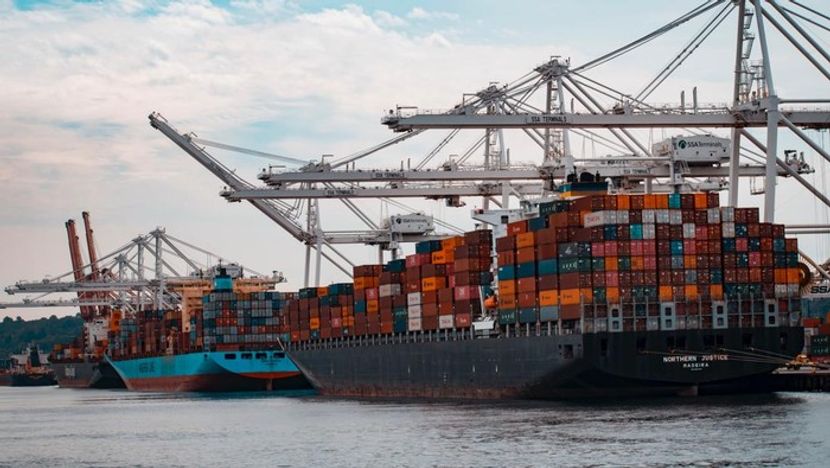
China Becomes Indonesia's Main Export and Import Destination Last Year
Indonesia's 21 Downstream Projects Total US$618 Billion
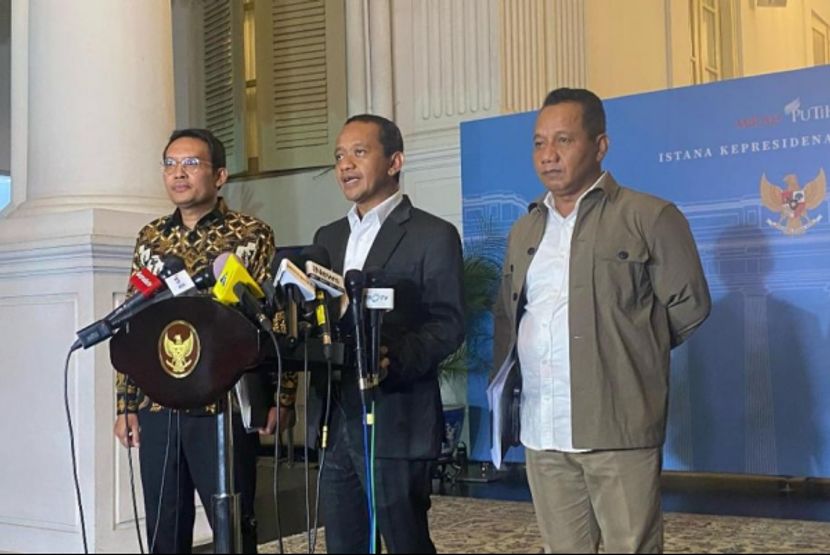
The Minister of Energy and Mineral Resources revealed that the National Investment Management Agency (BPI Danantara) will fund downstream projects. President Prabowo decided in a closed-door meeting with the Task Force for Downstreaming and Energy Sovereignty that the first phase of downstreaming in 2025 targets 21 projects valued at approximately US$618 billion. The first project is to build crude oil storage facilities for national energy security. According to a presidential decree, Indonesia needs to increase its oil reserves to 30 days, with one storage site to be built on Nipah Island. The government will also build a refinery with a daily capacity of about 500,000 barrels to enhance energy security, and
Chinese Enterprises Invest in Developing Indonesia's Bamboo Industry
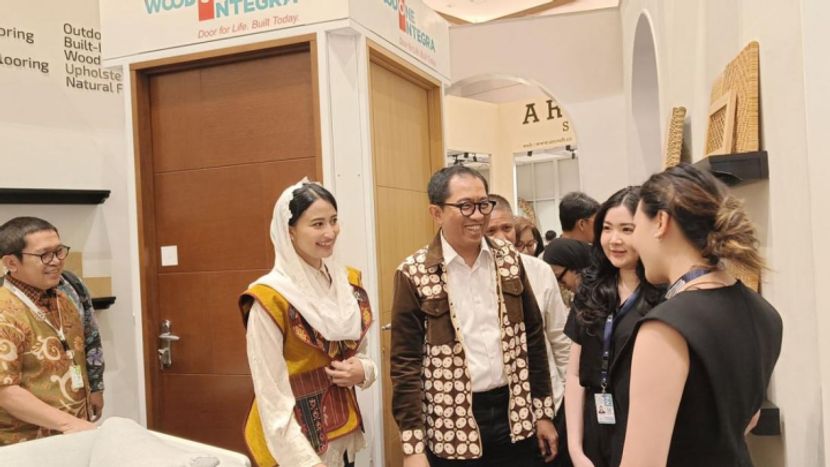
The Ministry of Industry facilitates potential investors from China, Germany, and Europe who are interested in developing the bamboo industry in Indonesia. The Deputy Minister of Industry mentioned this during his speech at the opening ceremony of the Indonesia International Furniture Exhibition in Jakarta. These investors are eyeing approximately 9 million bamboo poles in Indonesia as raw materials, believing that Indonesian bamboo is superior to some raw materials in China, and its strength makes it a viable alternative to wood. The Deputy Minister stated that Betung is one of the strongest bamboo varieties considered to replace wood raw materials. He cannot yet detail how much these potential investors will invest, but the investment could
Indonesian Parliament Urges Government to Take Measures Against Illegal Imports
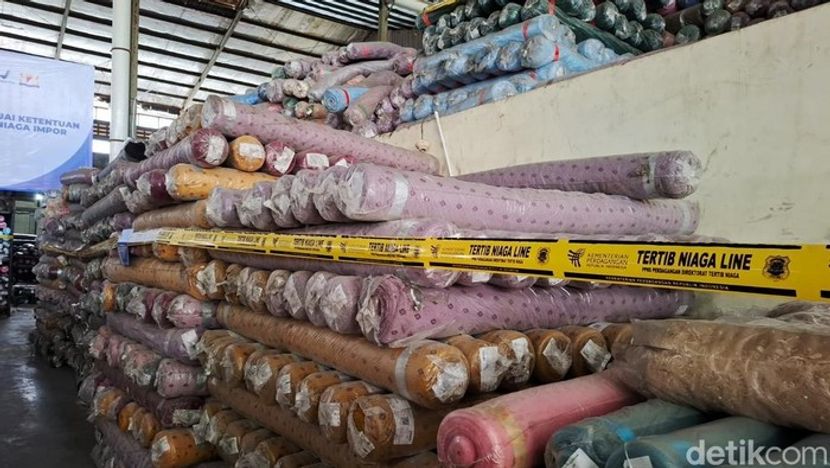
The Vice Chairman of Commission VII of the Indonesian Parliament urged the government to immediately take firm measures to save the domestic industry from the impact of massive imported goods. She emphasized that this issue cannot be handled solely by the Ministry of Industry but must involve all ministries and relevant institutions nationwide. She pointed out that the flood of imported goods is not only in the textile industry but also in electronics, footwear, and may even spread to the automotive industry, worsening the domestic industry and increasing layoffs across sectors. She requested the Minister of Trade to revoke ministerial regulations deemed to facilitate the entry of imported goods to the detriment of domestic companies, and also urged the Minister of Finance to revise ministerial regulations considered to provide convenience for imported goods entering
Indonesia Imposes Anti-Dumping Duties on Nylon Film from Mainland China and Taiwan
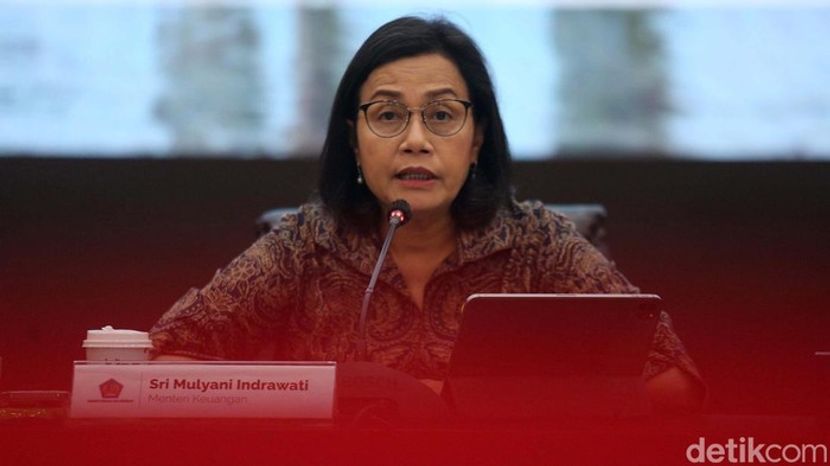
The Minister of Finance has imposed anti-dumping duties on nylon film products imported from Mainland China, Thailand, and Taiwan (Chinese Taipei) because the export prices of these imported goods were below normal value, causing losses to the domestic industry. The regulation will take effect 10 working days after its promulgation on March 11, 2025, and is valid for four years. Based on the findings of the Indonesian Anti-Dumping Committee, it was found that nylon film products from Mainland China, Thailand, and Taiwan (Chinese Taipei) were being dumped, causing losses to the domestic industry, and there is a causal link between the dumping and the losses suffered by the domestic industry. The anti-dumping duties apply to

China Participates in Developing Indonesia's Nuclear Power Industry
The global trend of investment in nuclear power plants is increasing year by year. The Indonesian Chamber of Commerce and Industry will work together with the government to seize this momentum and potential. The Vice Chairman of the Indonesian Chamber of Commerce and Industry for Energy and Mineral Resources expressed appreciation for the government's priority on developing the new energy industry. President Prabowo stated that nuclear energy is one of the cleanest renewable energy sources, and most of the funds may be injected into green and renewable energy sectors as well as related key industries. According to the International Energy Agency report, the value of nuclear energy investment will increase year by year under three scenarios. In 2023, over 410 reactors were operating in 30 countries, and this number is expected to increase by 2025. Countries around the world are competing to build nuclear
Indonesian Ministry of Industry Responds to Crisis at Jiangsu Delong's Indonesian Nickel Company
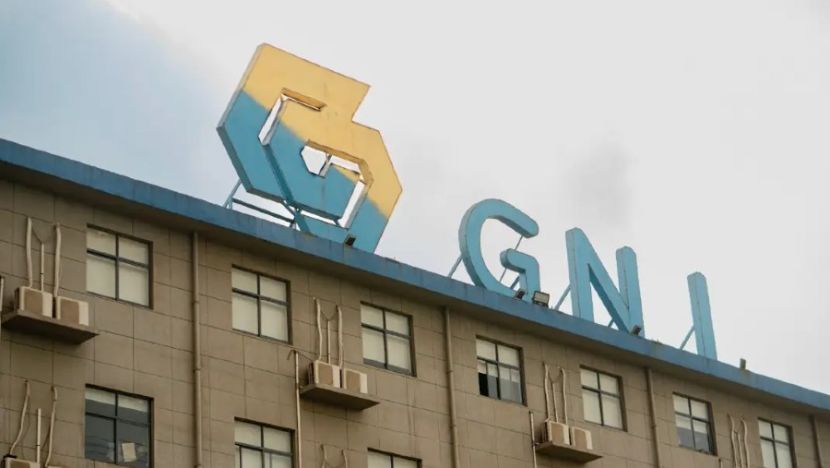
PT GNI's nickel smelter is located in North Morowali. The company is currently in a transition phase due to the new management being more selective in raw material choices, with production expected to return to normal in April 2025. During this period, employee capability improvement will be carried out. The company has explained the situation to the Ministry of Industry, pledging not to lay off workers or reduce wages. The company denies delaying payments to nickel ore suppliers due to financial issues or production disruptions. The root cause is disagreement between the old and new management over the selection of raw material suppliers; the new management wants to ensure that received raw materials meet requirements. Additionally, PT GNI will obtain new funding sources after the management change, with funding agreements and mechanisms expected to be completed by July 2025, but it is not confirmed whether the new funds or investors mean that the company will no longer be controlled by China's Jiangsu Delong. Previously, there were reports that PT GNI delayed payments to suppliers, leading to inability to obtain nickel ore and potential production stoppages. Its business is also affected by the debt default of its Chinese parent company, Jiangsu Delong. At the end of February, PT GNI stated that the company is in a transition phase, operations are still ongoing, aiming to strengthen its structure to face future industry challenges.
Import License Issues Hinder Development of Indonesian Liquor Companies
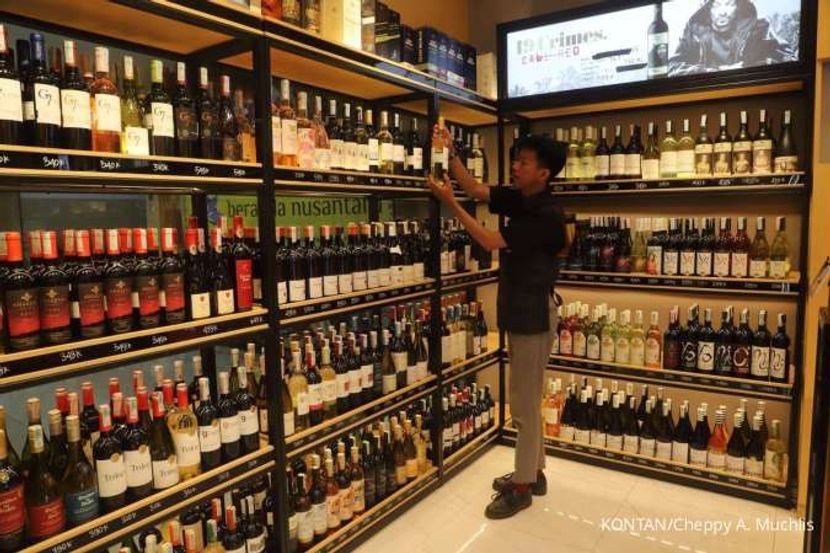
In early 2025, members of the Indonesian Alcoholic Beverage Importers Association reported difficulties in selling their products due to incomplete issuance of alcoholic beverage import licenses. Currently, only 9 out of 17 member importers have obtained licenses, and the association is unaware of the reasons for the remaining 8. According to regulations, license applications through the trade system should only take 5 business days. The association has sent a complaint letter to the Ministry of Trade but has received no response. The license issue may lead to unfair competition and could allow illegally imported alcoholic beverages to enter the market. Additionally, since last year, the demand for imported alcoholic beverages has been slowing, linked to global and domestic economic uncertainty and declining public purchasing power.