
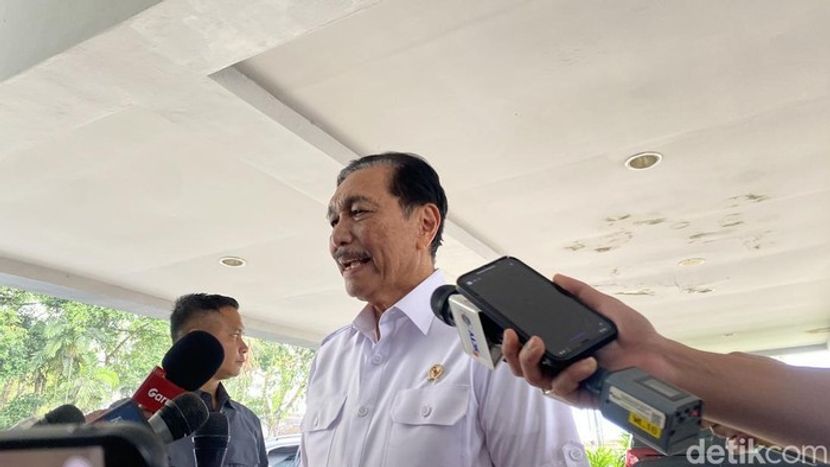
Indonesia attracts investment in textile and footwear industry to create job opportunities
Chairman of the National Economic Council Luhut stated that over the past year, Indonesia has become a target for the relocation of the textile and footwear industry. The textile and footwear industry is highly strategic, capable of creating a large number of jobs with relatively short workforce training periods, and can also drive the development of small industries, especially the food and beverage sector, opening up broad employment opportunities for MSMEs. Investing US$20-30 million in a garment factory can absorb 6,000 to 10,000 workers. He recently met with the Indonesian Footwear Association and global representatives such as Adidas and Nike, who are optimistic about Indonesia. A global brand plans to increase orders

Chinese Brand Transsion Leads Growth in Indonesia's Mid-to-Low-End Mobile Phone Market
China Remains Indonesia's Main Non-Oil and Gas Export Market
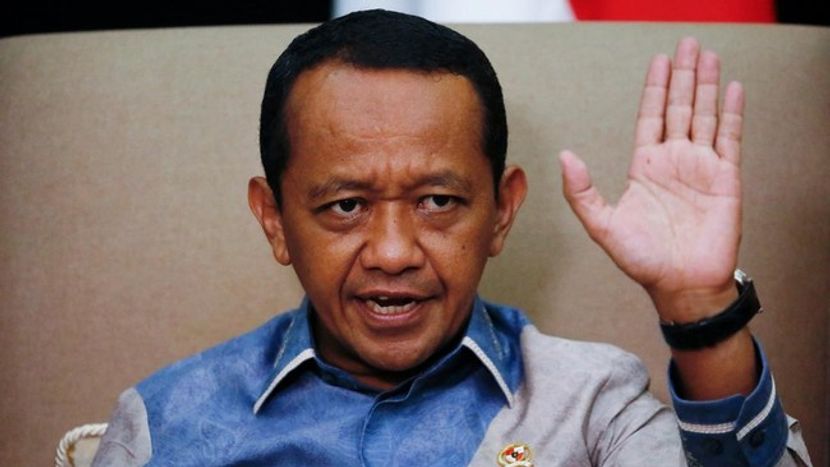
Indonesia's Nickel Downstreaming Boosts Export Value Tenfold
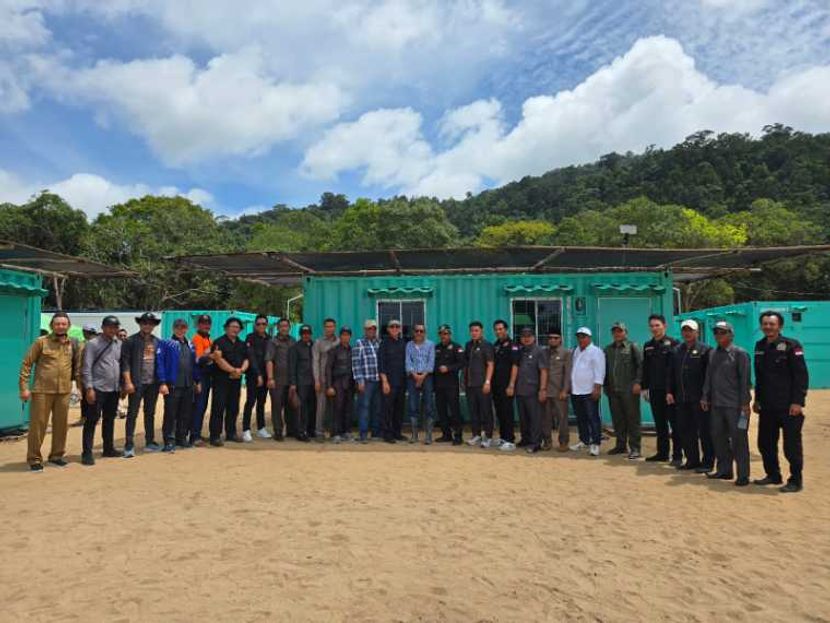
New Aluminum Smelter to Be Built in West Kalimantan

Indonesia's Quartz Sand Sector Shows Huge Development Potential
The Ministry of Investment and Downstreaming / Investment Coordinating Board encourages local entrepreneurs to continuously grow and develop so that they become key players in the country, including in the quartz sand commodity management industry. The Deputy Minister and Vice Chairman of the Investment Board stated that they received a visit from the Indonesian Quartz Sand Miners Association, and that the potential of Indonesian quartz sand is starting to attract attention from both domestic and foreign investors. The government aims to ensure full support for the empowerment of local entrepreneurs and to formulate policies to simplify licensing processes without overlooking the risks involved. Furthermore, the government also hopes that whenever major investments enter Indonesia, local entrepreneurs can participate and play a role. Therefore
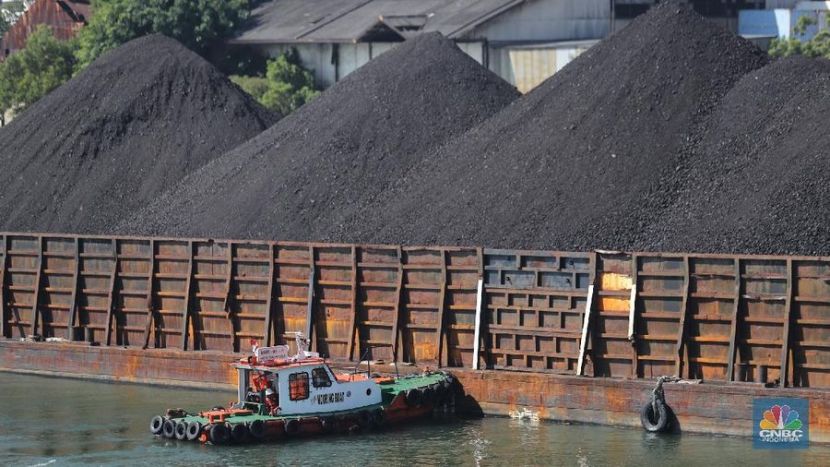
Indonesian Coal Output Hits New High for Two Consecutive Years
rnrnIn 2024, Indonesia's coal production reached 836 million tons, a record high. In 2023, production was 775 million tons, also the highest at that time. Actual production in 2024 exceeded the target of 710 million tons by 117%. The Minister of Energy and Mineral Resources stated that of the 2024 coal production, 555 million tons were exported, 233 million tons met domestic demand, and the remaining 48 million tons were inventory. Global total coal usage is approximately 8-8.5 billion tons, but the market circulating volume is about 1-1.5 billion tons. If export policies are tightened, Indonesian coal will have a systemic impact. Compared to 2023
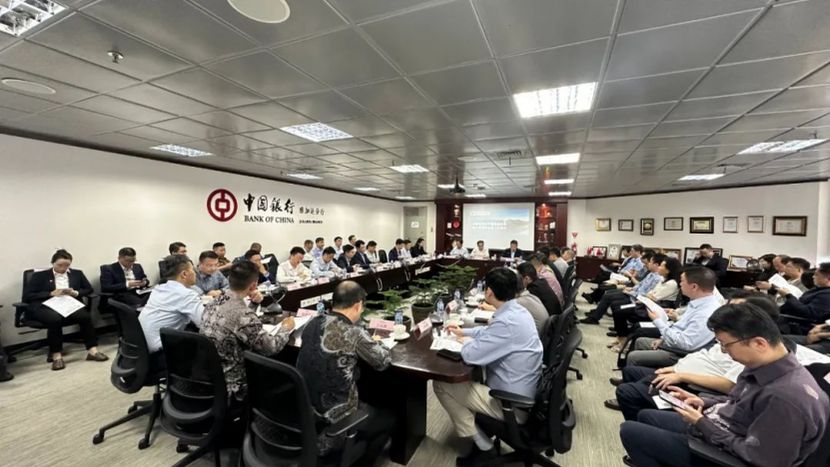
Indonesia China Chamber of Commerce Deepens Reform Plan to Promote Development of Chinese Enterprises
The Second Meeting of the Ninth Council of the Indonesia China Chamber of Commerce was recently held in Jakarta. The meeting elected 6 executive vice presidents and 12 industry branch presidents, and passed the "Regulations on Duties and Work Rules of the Council Executive Committee". The new structure promotes reform and adjustments around the core mission of the chamber, aiming to enhance efficiency and assist Chinese enterprises in deeply cultivating the Indonesian market, injecting new momentum into building a new bilateral economic and trade landscape and strengthening practical cooperation. Li Hongwei, Minister Counsellor of the Chinese Embassy in Indonesia, Counsellor Wu Zhiwei, and Sun Shangbin, President of the Indonesia China Chamber of Commerce, attended and spoke at the meeting, with 60 council member units participating.
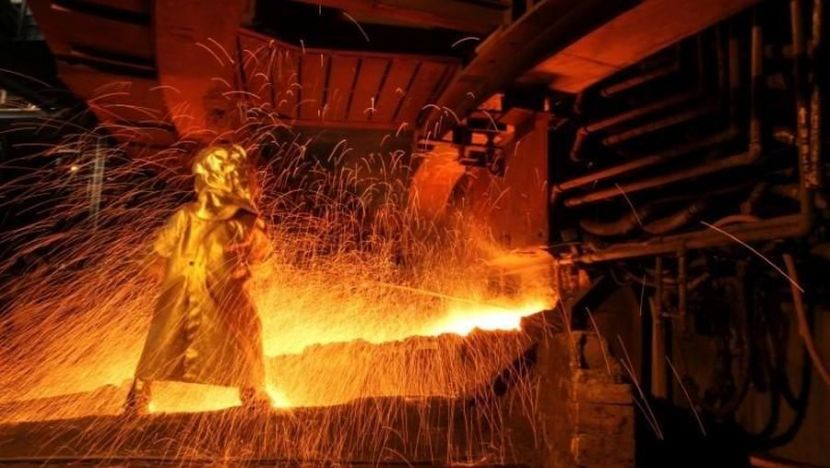
Indonesia's Nickel Production Cuts Will Lead to Higher Nickel Prices
The Indonesian Nickel Mining Association (APNI) has spoken out about the government's plan to reduce nickel ore production by evaluating the 2025 Work Plan and Cost Budget (RKAB). The APNI Secretary General said that the production cut will push up global nickel prices. An analysis by Macquarie Group's global nickel analyst indicates that if Indonesia reduces nickel ore production to 150 million tons, global nickel prices will rise from the current US$15,000-16,000 per ton to US$20,000 per ton. In 2024, Indonesia's nickel ore production reached 2.9849 billion tons; in 2023, production was nearly 200 million tons, actually 175.617183 million tons. 20
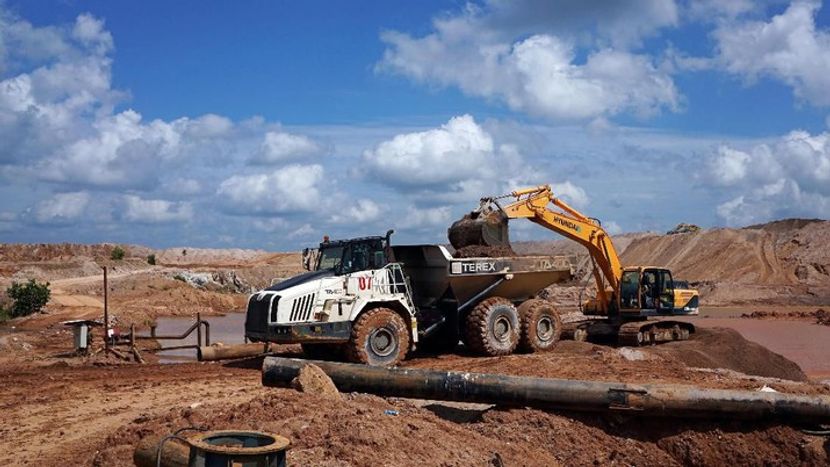
75% of Indonesia's Tin Mines Controlled by State-Owned Enterprises
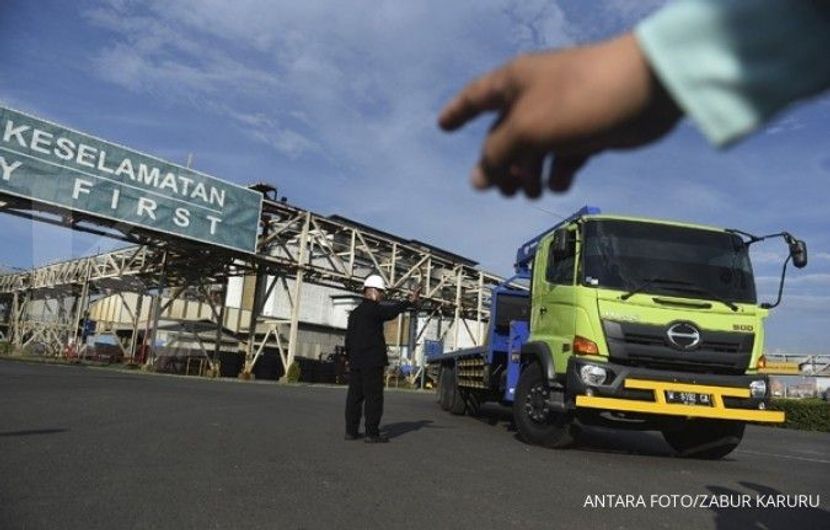
Indonesia Bans Copper Concentrate Exports Starting This Year
On January 1, 2025, the Indonesian government officially implemented a ban on the export of copper concentrate. This ban dashed the hopes of PT Freeport Indonesia (PTFI) to extend its copper concentrate export permit after a fire at its processing and refining facility located in the Gresik Special Economic Zone (KEK) Gresik JIIPE, East Java. The Director of Industrial and Mining Product Exports at the Ministry of Trade stated that according to Minister of Trade Regulation No. 10 of 2024, the list of prohibited exports from January 1, 2025, includes copper ores and copper concentrates under specific codes.
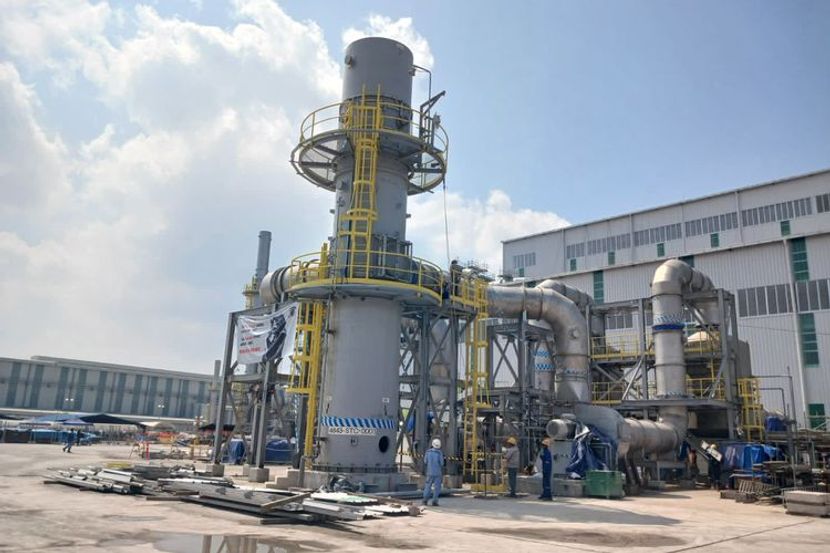
Indonesia's Mineral Downstreaming Drives Economic Development
Indonesia continues to optimize its natural resource potential through the mineral industry downstreaming program. As of 2024, the program has had a significant impact on building a value-added economy, focusing on commodities such as copper, bauxite, and silica sand. The mineral downstreaming was initially achieved by constructing copper and bauxite smelters and developing silica sand raw material products. Mineral downstreaming has enabled Indonesia to no longer just export raw materials, but to start producing high-value-added products domestically, such as copper cathodes, alumina, silica sand-based products, etc., becoming an important way to achieve national economic independence. PT Freeport