
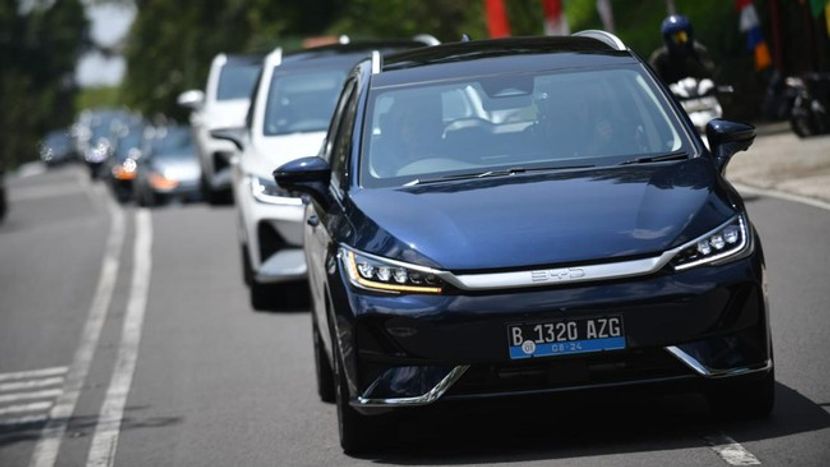
Top-Selling Cars in Indonesia in October
October car sales data for Indonesia has been released. The top five brands remain unchanged, but Suzuki and Mitsubishi swapped positions. BYD rose to sixth place, while Fuso and other brands moved down. Total brand sales in October reached 77,191 units, hitting a new high, up 6.2% month-on-month. Cumulative sales from January to October reached 710,406 units, achieving 83% of the annual target. However, Neta sales data are temporarily unavailable due to delayed reporting. Top 20 best-selling brands in October 2024: Toyota 27,030, Daihatsu 14,096, Honda 8,633, Suzuki 5,491, Mitsubishi 5,486, BYD 2,488, Fuso 2,414, Hino 2,320, Wuling 2,203, Isuzu 2,106, Hyundai 1,711, Chery 698, BMW 506, Mazda 300, MG 277, Mercedes-Benz 260, UD Trucks 183, Lexus 181, Citroën 116, Mercedes-Benz CV 132.
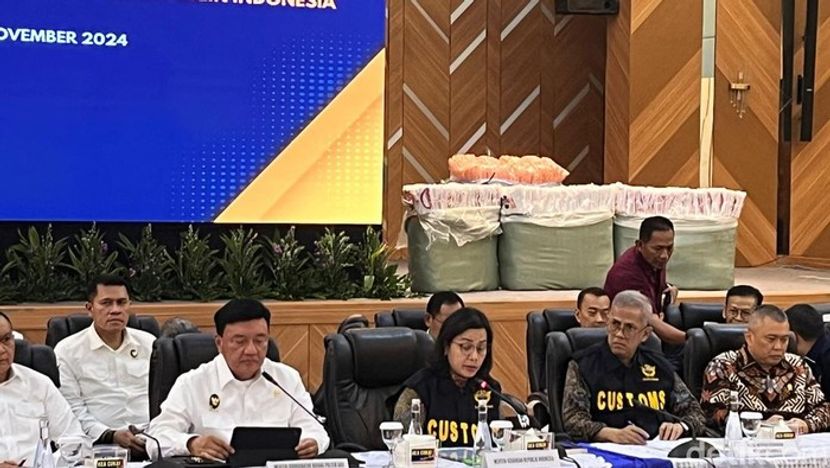
Indonesian Government Cracks Down on 490 Billion IDR Worth of Illegal Imported Goods in One Week

iPhone 16 Sales Blocked in Indonesia Due to Failure to Meet Local Content Requirements
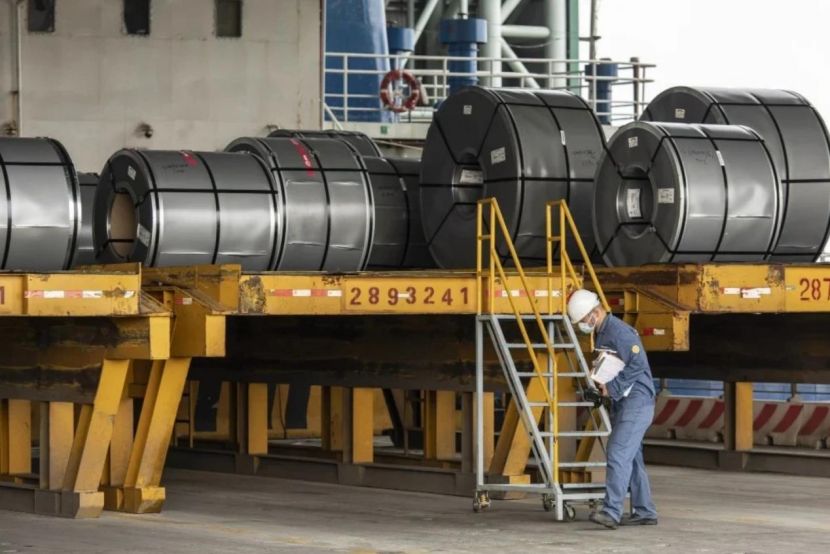
Indonesia Extends Anti-Dumping Duties to Mitigate Impact of Chinese Steel Imports
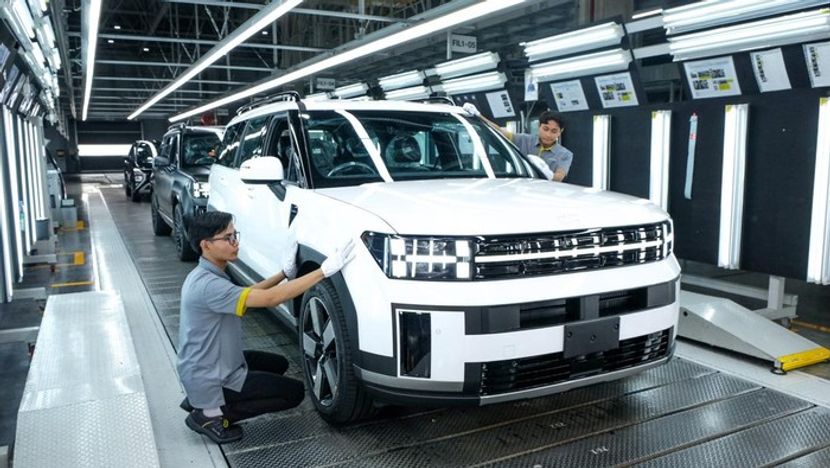
Two Factors Driving Growth in Indonesia's Automotive Market
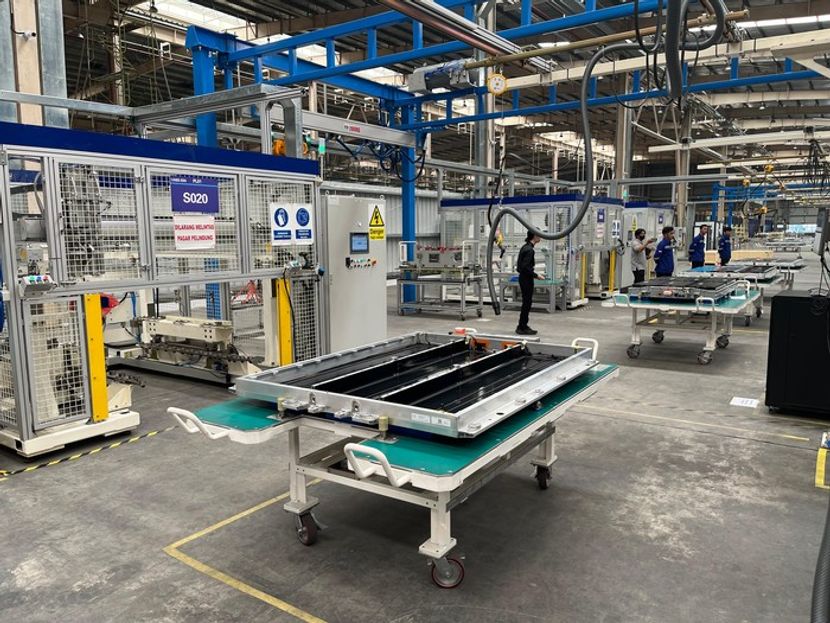
Indonesia battery factory to supply Chinese auto brands
SAIC Motor and CATL join hands with Kentjana Group to build a battery packaging factory in Indonesia. The factory has an annual production capacity of 20,000 battery packs, operated by PT UABS Indonesia, with SAIC-CATL holding 67% and Kentjana Group holding 33%. Initially producing batteries for SAIC's MG brand, the investment is approximately IDR 100 billion, covering an area of 5,000 square meters. Components and modules will first be imported from China and then packaged. CATL is a globally leading battery brand, and SAIC has a rich product lineup. MG Indonesia will be the first to use the factory's batteries in 2024.
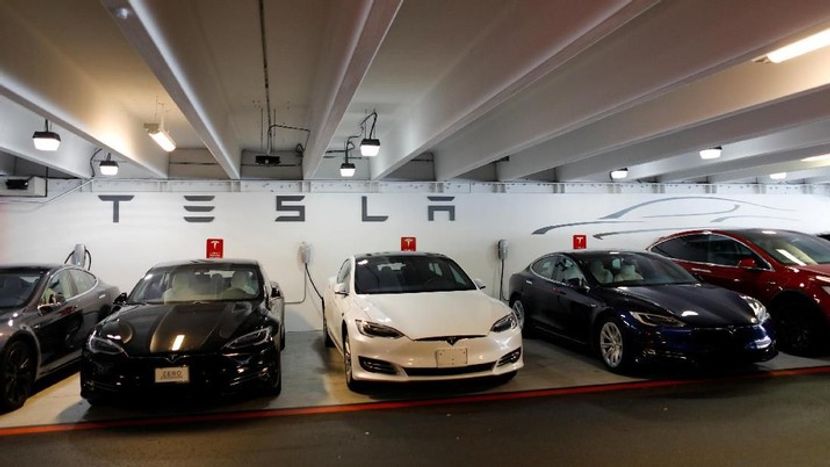
Indonesian nickel processing plant becomes key link in global EV battery supply chain
Chinese-invested company CNGR Indonesia produces nickel metal and manufactures electric vehicle battery precursors in Indonesia. Its Public Relations Director stated that leading global automakers such as Tesla and BYD indirectly use Indonesian materials, and the nickel sulfate in the precursors comes from Indonesian nickel matte. Although the manufacturing process involves a multi-country supply chain, Indonesia is a crucial part. Previously, the Minister of Investment revealed that the precursor produced by Huayou Indonesia's nickel processing plant in North Maluku will be supplied to Tesla. Starting January 1, 2025, Indonesia will ship precursor battery materials from this plant, and 60–70% of semi-finished raw materials have already been shipped
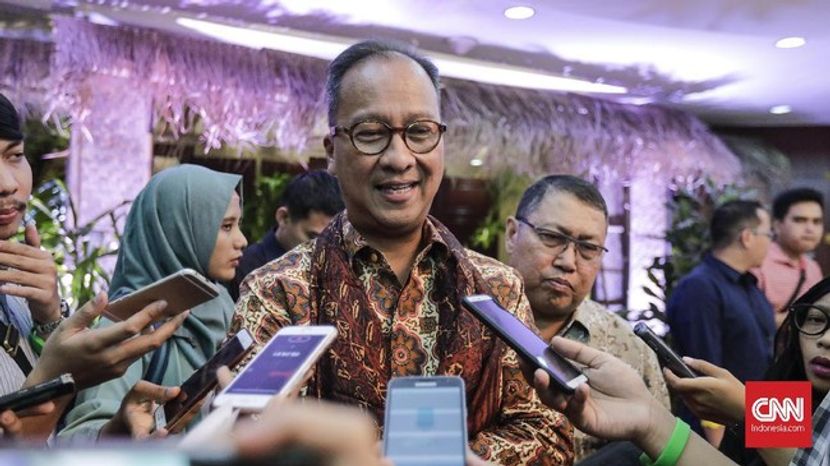
Apple's investment in Indonesia rejected after sales ban, four principles to be discussed
Apple proposed a $100 million (IDR 1.58 trillion) investment to sell the iPhone 16 series in Indonesia, but the Indonesian Minister of Industry rejected it. The government will renegotiate as it does not meet expectations based on technical expert assessments and does not follow the four principles of justice: First, Apple's investment amount in Indonesia should be comparable to that in other similar countries; The investment value must be comparable to that in similar countries and other electronics companies (such as Samsung, Xiaomi); The calculation of import added value and national revenue does not meet expectations; The impact on domestic employment must be considered.
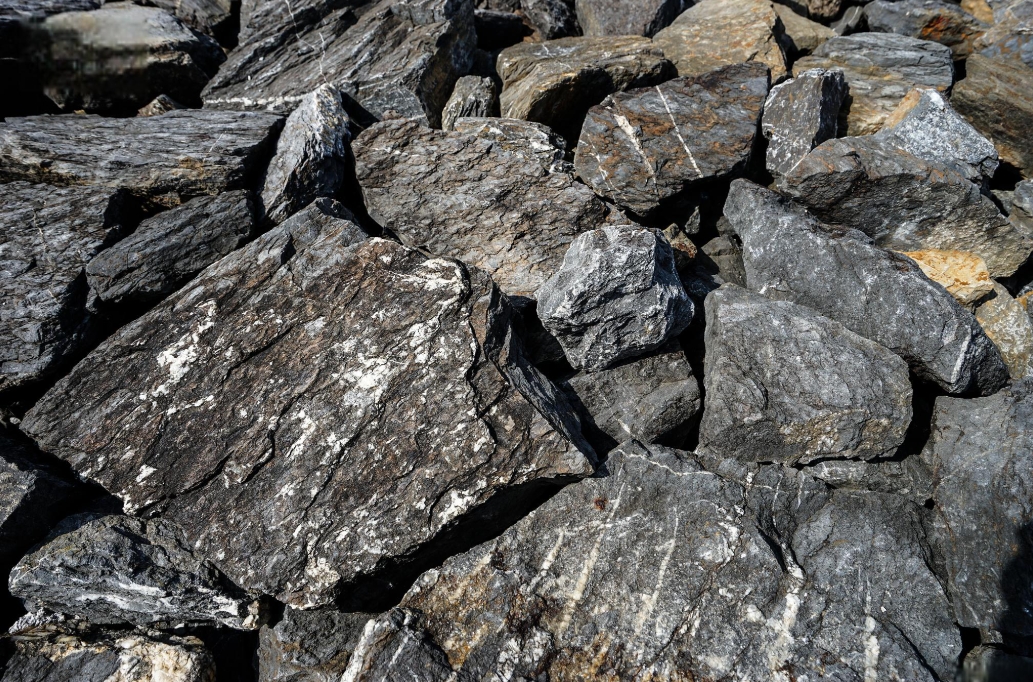
Nickel Reserve Advantage Powers Indonesia's Strong Rise in EV Battery Ecosystem
State-owned mining holding company MIND ID stated that with its abundant nickel reserves and related mineral resources, Indonesia will occupy an important strategic position in the global electric vehicle ecosystem development over the next five years. It is expected that Indonesia's nickel supply will reach 75% of the global total in the next five years, and it already accounts for 60% globally. However, the President of MIND ID also acknowledged that the company faces many challenges, such as global issues like the Russia-Ukraine conflict, the Middle East conflict, and the US-China trade war. But from another perspective, these challenges also bring opportunities for Indonesia. Due to Indonesia's relatively neutral stance in international affairs, it is expected to attract industries affected by trade war tariffs to relocate factories to Indonesia, thereby becoming an important industrialization base. Previously, the company's Director of Portfolio and Business Development also mentioned that MIND ID does not control all strategic mineral commodities but focuses on minerals supporting the electric vehicle battery ecosystem. Among 47 critical minerals, MIND ID has already controlled at least 14, committed to building a strong framework supporting the electric vehicle ecosystem.
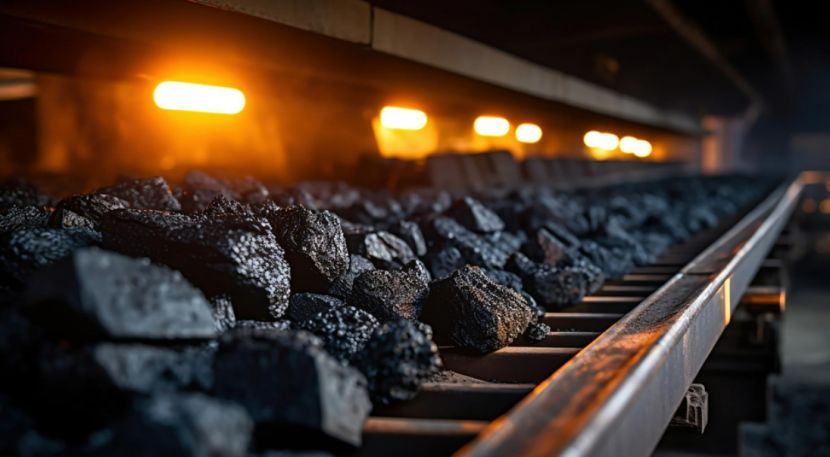
Indonesia's coal and gas prices surge, Middle East tensions fuel the rise
Recently, coal prices have surged to a six-week high, following a similar trend to the sharp rise in natural gas prices. In November, Newcastle coal prices rose to $149.6 per ton, and are expected to reach $151.5 in December; Rotterdam coal prices rose to $123.45 in November, and will reach $123.75 in December. The escalation of the Middle East conflict has raised concerns about natural gas supply disruptions, causing high market volatility. Although above-average temperatures in Central and Western Europe have continued the trend of weak demand, the Middle East conflict and energy supply-demand imbalances are still driving up gas and coal prices. In addition, China's National Day holiday inventory replenishment, heavy rain
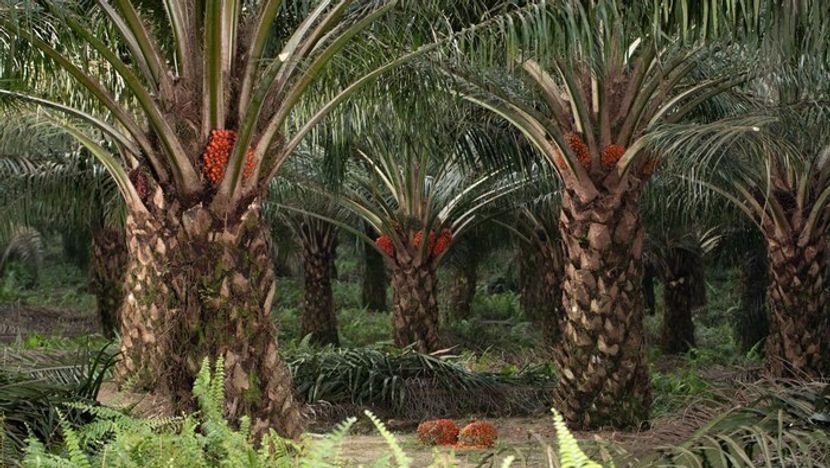
Indonesian Government Plans to Vigorously Develop Palm Oil Downstream Industry
The government continues to promote the industrial downstream program, one of which is the agribusiness sector such as palm oil, as the export value of this commodity reaches hundreds of trillions of Indonesian rupiah. The Director General of Agricultural Industry at the Ministry of Industry stated that to date, palm oil is one of the commodities that has successfully implemented the industrial downstream program. This can be seen from the significant increase in the number of palm oil downstream products developed over the past decade. Previously, the downstream palm oil industry only produced 45 products; now, there are over 200 downstream palm oil products. Palm oil is a model and success story for industrial downstream, whether in producing palm oil derivative products for food (oleofood), non-food (oleochemical), renewable fuel (biofuel), or new environmentally friendly materials (biomaterial), with sustainable industrial scale. In addition, the economic growth results from Indonesia's upstream and downstream palm oil industry are further proof of the downstream industry's performance, so palm oil is now classified as a highly competitive agro-processing sub-sector. 2023 data shows that palm oil and its derivative exports reached IDR 450 trillion, accounting for 11.6% of total non-oil and gas exports. Overall, this business reached IDR 800 trillion. The sector also absorbed 16.2 million workers, including indirect labor involving plantation enterprises or smallholders.
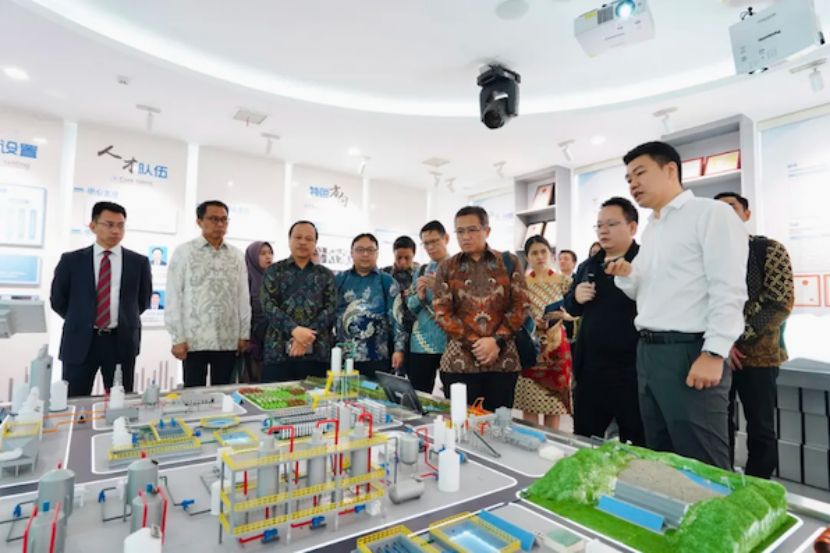
Indonesia's Ministry of Energy and Mineral Resources Continues to Strengthen Cooperation and Development with Chinese Enterprises
The Ministry of Energy and Mineral Resources (ESDM) and CNGR, a Chinese company operating in the nickel industry, have agreed to cooperate in the fields of energy and minerals as well as human resource (HR) development. This cooperation was marked by the signing of a Memorandum of Understanding (MoU) between the Head of the Human Resources Development Agency (BPSDM) and CNGR's Assistant President at the CNGR Industrial Area in China. This visit and the signing of the MoU mark the beginning of deeper strategic cooperation aimed at achieving mutual benefits. Their visit to the CNGR industrial area and the signing of the MoU signify the start of cooperation between the Ministry of Energy and Mineral Resources and CNGR,