
US and Chinese Investors Show Interest in Developing Indonesia's Semiconductor Industry
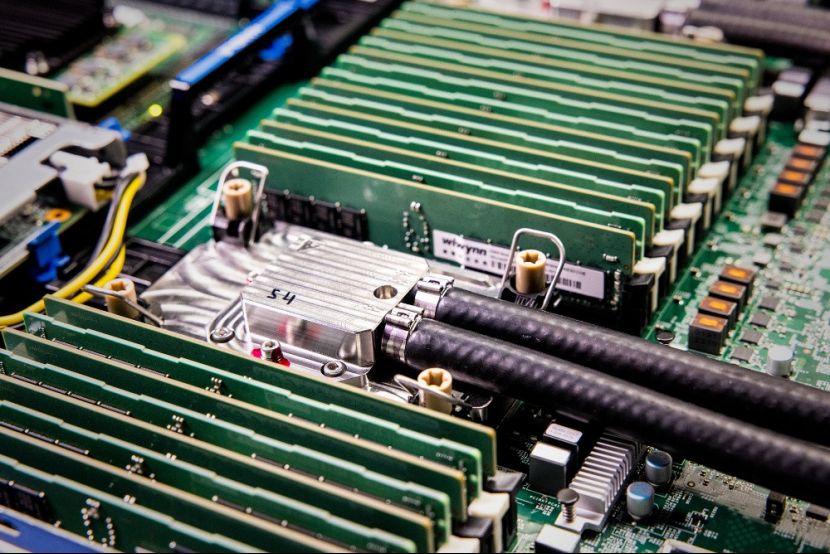
The Indonesian Industrial Estate Association has revealed that investors from the United States, Mainland China, Taiwan (China), and other regions have shown investment interest in Indonesia's semiconductor industry. The association calls on global semiconductor companies to form joint ventures with local Indonesian enterprises to promote technology transfer, improve the local supply chain, and enhance Indonesia's human resource capacity, preventing foreign investment from remaining only at the level of capacity building. The association's chairman stated that a US-German joint consortium has initiated semiconductor industry development in Batam, Indonesia. The consortium comprises multiple companies with an investment of US$26.73 billion (approximately IDR 447.59 trillion) in Batam, with related facilities set to
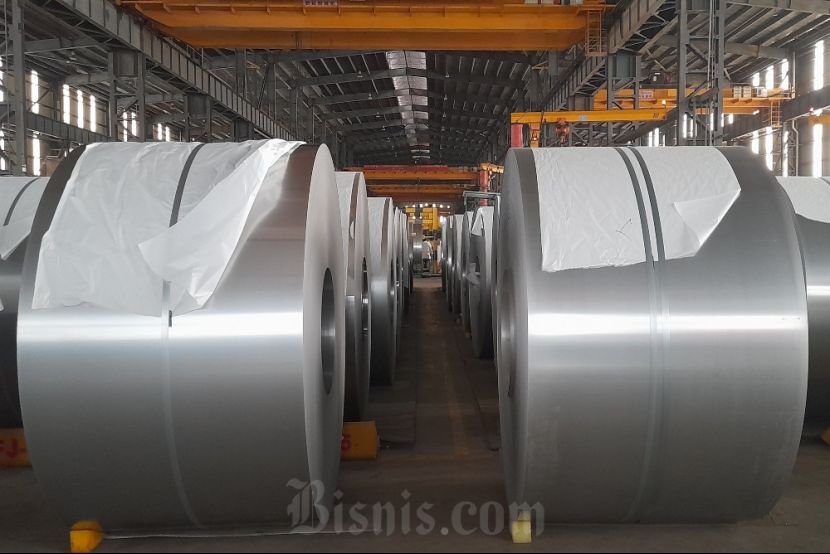
Indonesian Government Takes Multiple Measures to Relieve Local Steel Industry
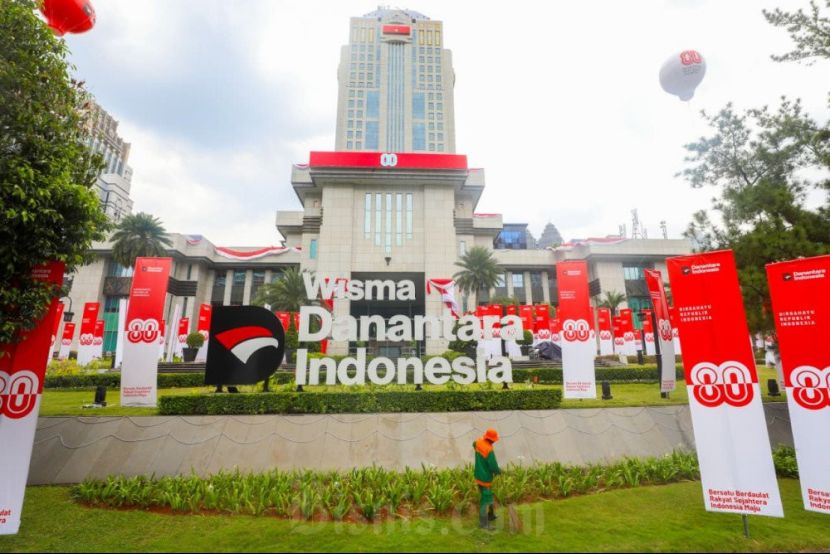
Danantara to Break Ground on Large Steel Mill Project in March This Year
Indonesia's Battery Ambition: $6 Billion Partnership with Huayou
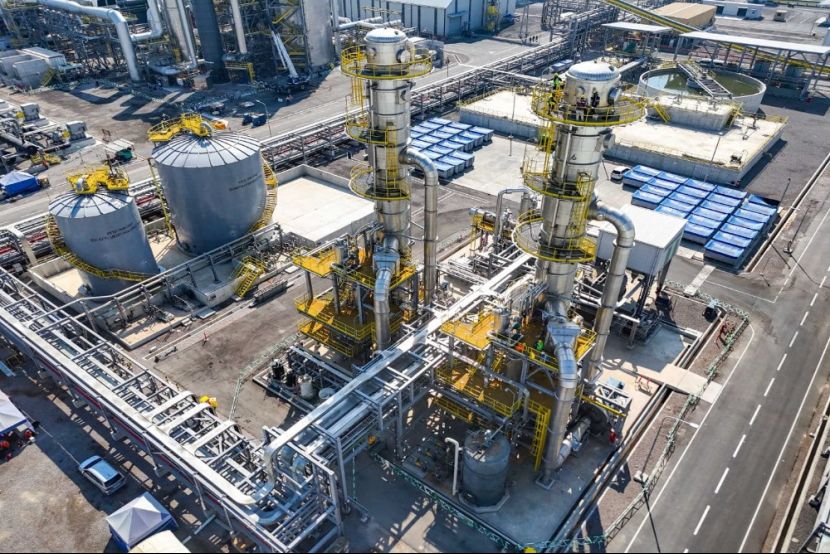
Indonesia's Special Economic Zones Reach Cumulative Investment of IDR 335 Trillion
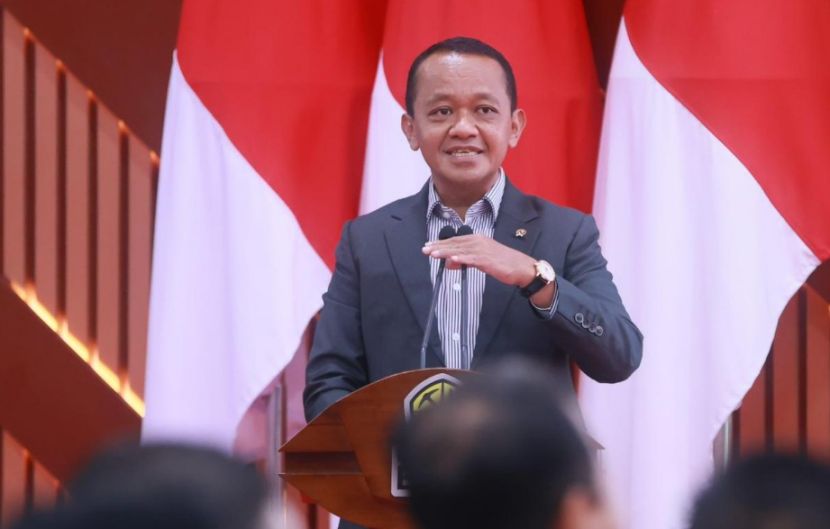
Indonesia's State Electricity Company Fully Supports Integrated Battery Industry Development
State Electricity Company (PLN), as a shareholder of Indonesia Battery Corporation (IBC), supports IBC's cooperation with strategic partners to accelerate the upstream and downstream integration of Indonesia's battery industry. IBC, Antam, and the HYD investment consortium signed a framework agreement in Jakarta, marking an important milestone for this collaboration. The Minister of Energy and Mineral Resources stated that the agreement is a significant milestone in implementing President Prabowo's downstream processing policy. The project has a total investment of US$6 billion, planned battery capacity of 20 GWh, and is expected to create 10,000 jobs. He emphasized the need to

China and Indonesia Join Forces to Build Asia's Largest EV Battery Ecosystem
Indonesia is leveraging its abundant nickel reserves to build Asia's largest integrated electric vehicle battery ecosystem, spearheaded by Indonesia Battery Corporation (IBC) in partnership with Chinese enterprises Ningbo Rongbai and Mengguli. The overall upstream and downstream projects have a total investment of US$5.9 billion (approximately IDR 96.04 trillion), comprising six joint ventures covering the entire value chain from nickel mining, smelting, battery material production, cell manufacturing to battery recycling. The three upstream joint ventures involve cooperation between Indonesia's Antam and Chinese partners. The nickel mining project started production in 2023, and two nickel smelters are scheduled to commence operations in 2027 and 2028 respectively.

Chinese car brands to adapt to Indonesian usage scenarios
The Chinese government recently issued new regulations requiring domestically produced cars to be equipped with multiple advanced technologies such as automatic emergency braking and steer-by-wire as standard, and this standard will also apply to the Indonesian market. The Product Development Manager of Lepas Indonesia stated that such new technologies are currently costly in nature and are essentially industrial investments. However, with the expansion of market scale and technological development, related costs will inevitably decrease gradually, which is a normal reflection of supply and demand in economic laws. Any initial investment in technology is an investment, and subsequent cost reductions will follow as technology iterates. He pointed out that the certified automotive regulations in China themselves already have global standards,

Indonesian industry opposes government's plan to drastically cut coal production
The Indonesian Coal Mining Association strongly opposes the coal production target set by the Ministry of Energy and Mineral Resources in its 2026 Work Plan and Budget Assessment, arguing that the target will severely affect the operational continuity of coal companies. The association points out that the officially set production volume is far lower than the approved three-year plan value, the declared 2026 annual plan value that has completed three rounds of assessment, and the actual 2025 production volume, with a reduction of 40% to 70%, and lacks clear setting standards and industry communication. The association's executive director stated that the drastic production cut will push output below economic scale, affecting business
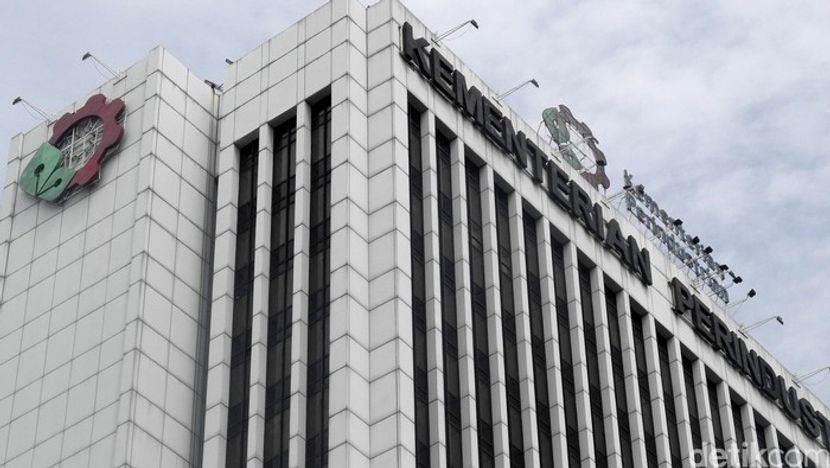
Indonesia goes all out to develop domestic chip industry
Indonesia's Ministry of Industry continues to promote the development of the semiconductor industry, taking chip design, R&D, and talent cultivation as the initial core. By building an integrated semiconductor ecosystem, it aims to support the development of key sectors such as electronics, automotive, and energy, solve the problem of dependence on semiconductor imports, and target deep integration into the global semiconductor supply chain. Domestic demand for semiconductors in Indonesia continues to rise: the national mobile phone annual production capacity is 30-60 million units, and the 2026 laptop demand target is 1.57 million units; in 2025, Indonesia's automobile production reached 803,867 units, of which electric vehicles and hybrid vehicles

Indonesia Plans to Provide Free Land for Investors in Batang
Indonesia's state-owned enterprise regulatory agency is studying a bold policy of providing free land to potential investors, aiming to enhance Indonesia's regional competitiveness and stimulate both domestic and foreign investment. This strategy is directly instructed by President Prabowo, with the goal of ushering Indonesia into a new era of industrialization, making industry the engine of national economic growth. The head of Indonesia's state-owned enterprise regulatory agency and COO of Danantara stated that they will completely transform the business model of Indonesia's industrial estates, drawing on successful experiences from neighboring countries to make special economic zones and industrial estates more attractive. Previously, Indonesia's estates relied on land sales as

Foreign Capital Outflows from Indonesia Reach IDR 12.55 Trillion at End of January
Data from Bank Indonesia (BI) shows that in the fourth week of January 2026 (January 26-29), foreign capital net outflows from Indonesia's domestic market reached IDR 12.55 trillion (approximately RMB 5.7 billion). The Head of BI's Communications Department disclosed in a written statement that net foreign outflows from the stock market amounted to IDR 12.40 trillion, and from the government bond market (SBN) IDR 2.77 trillion; however, the Indonesian central bank's rupiah securities market (SRBI) recorded net foreign inflows of IDR 2.61 trillion. As of January 29, year-to-date foreign capital in the Indonesian market stands