

Indonesian Government Authorizes State-Owned Enterprises to Take Over Concessions of Violating Companies
Indonesia will authorize state-owned enterprises to take over the concessions of 28 violating companies in the Aceh and Sumatra regions. These companies had their licenses revoked for violating forest utilization regulations and causing hydrometeorological disasters. The entities involved are divided into two categories: a total of 22 natural and plantation forest utilization enterprises (covering 1,010,592 hectares) and 6 mining, plantation, and other enterprises. After the land and assets of the relevant enterprises are nationalized, state-owned enterprises will operate them by sector. The coordination will be carried out by the Investment Ministry jointly with Danantara, involving Agrinas Palma N

Chinese Tea Beverage Brand Develops Rapidly in Indonesian Market

How Chinese Auto Brands Are Reshaping Indonesia's Automotive Market Landscape

Indonesian Classification Society Expands into China Market
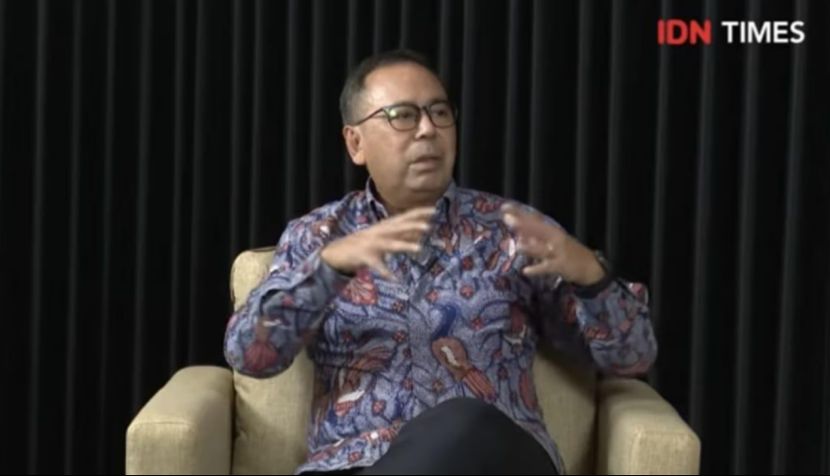
China-Indonesia Economic Cooperation Upgraded to Industrial Chain Integration
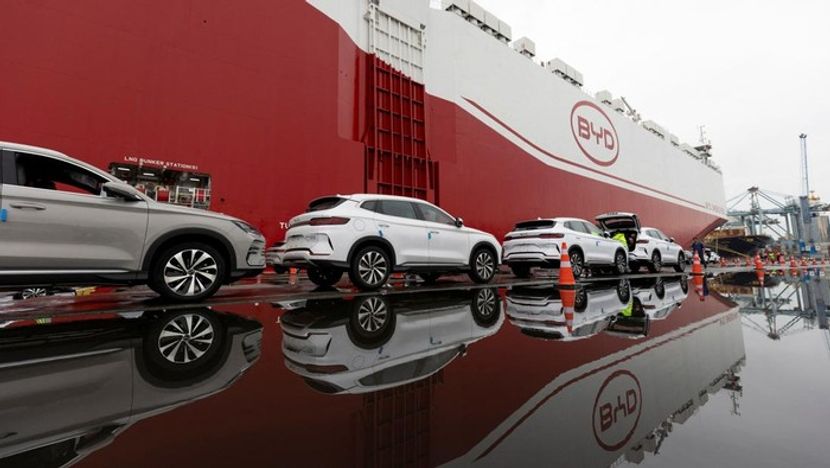
Indonesia Ranks Among Top 10 Destinations for Chinese New Energy Vehicle Exports
In 2025, China's automobile exports reached 8.32 million units, up 30% year-on-year, of which new energy vehicle (NEV) exports were 3.43 million units, surging 70% year-on-year. According to data from the China Passenger Car Association, among the top 10 destinations for Chinese automobile exports, the Philippines is the only Southeast Asian country, with Indonesia and other ASEAN nations not on the list. However, Indonesia ranked ninth in the top 10 destinations for Chinese NEV exports in 2025. The top 10 destinations for Chinese automobile exports are: Mexico 625,187 units, Russia 582,738 units, UAE 571,937 units,

Indonesia Plans to Favor Nickel Battery Electric Vehicles
The Ministry of Industry proposes higher incentives for nickel battery (NCM/NCA) electric vehicles over lithium iron phosphate (LFP) battery models, which industry observers believe can drive the development of Indonesia's automotive industry. Indonesia has the world's largest nickel reserves (approximately 55 million tons, 45% of global total) and is the world's largest nickel producer (50% of global output). This policy has strong macroeconomic logic, reflects industrial nationalism, and can promote deep integration of Indonesia's upstream nickel industry with downstream battery and EV industries, creating a vertically integrated ecosystem and maximizing added value.
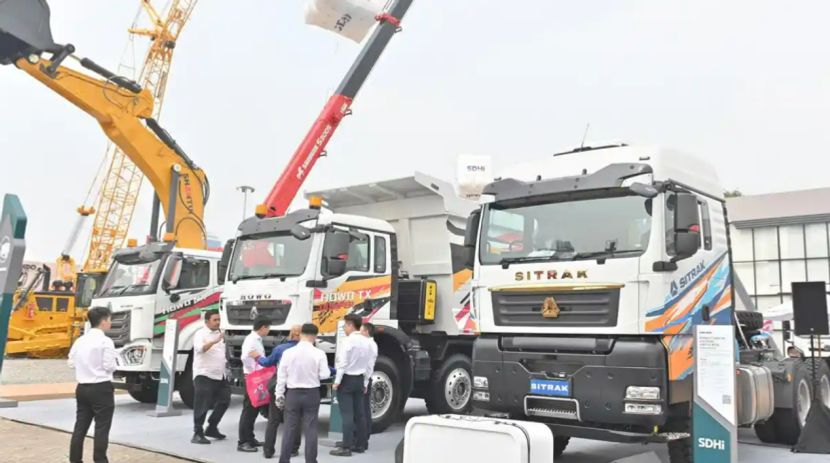
Chinese Imported Trucks Impact Indonesia's Domestic Industry
In 2025, Indonesia's Class III truck commercial vehicle industry fell into development difficulties due to the dual impact of mineral price fluctuations and the influx of Chinese complete vehicle imports. Local companies faced unfair competition, severely affecting their production and business operations. A large number of Chinese Class III trucks entered the Indonesian market without complying with proper import procedures or undergoing vehicle type testing, and illegally sold Euro 2 standard models, deliberately circumventing the Euro 4 standards that local companies must strictly follow. It is reported that the number of such unregistered imported vehicles has reached tens of thousands, and they are also operating illegally on public roads, severely disrupting the competitive balance in Indonesia's domestic market. KTB company

Neta Auto Suspends Vehicle Production in Indonesia
Due to business restructuring at its China headquarters, Neta Auto has officially suspended electric vehicle production in Indonesia. This was confirmed by the Vice President of PT Handal Indonesia Motor, Neta's assembly partner in Indonesia. He also stated that Neta still has raw materials and vehicle inventory, so if production resumes later, it will not need to start from scratch. He emphasized that whether Neta produces in Indonesia is entirely at the discretion of the brand's licensed distributor, while the company only handles the assembly work. Previously, Neta had announced a series of strategic adjustments due to the headquarters restructuring, including outsourcing some

Indonesia Plans to Restrict Imports of Ten Categories of Chinese Goods
The Minister of Cooperatives and SMEs recently claimed that Chinese imported goods are a 'terrible ghost' for the development of Indonesian MSMEs. He stated in a parliamentary hearing that if the domestic market continues to be flooded with cheap imported goods, various government support and intervention policies will become ineffective; and the practice of under-invoicing and selling unbranded white-label products under local brands after entry further squeezes the living space of local MSMEs. He cited examples such as underwear, headscarves, and batik cloth, which Indonesia can locally produce, but the production costs of local MSMEs are on par with the selling prices of Chinese imported goods, leading to a severe lack of competitiveness.

China-Indonesia Auto Companies Collaborate to Launch Electric Commercial Vehicles
Arista Group, through its subsidiary Arista Automotive Electric Company, has reached a global partnership with Farizon New Energy Commercial Vehicle Group under Geely Holding. The collaboration officially launches the Farizon brand and its first model, the Farizon SV electric van commercial vehicle, in Indonesia, providing local businesses with a practical electric commercial vehicle solution. The head of Arista Automotive Electric Company stated that this partnership fulfills the group's commitment to bringing electric commercial vehicles that meet current business operational needs to the Indonesian market. The Farizon SV is positioned for business operations, emphasizing work efficiency, vehicle reliability, and ride comfort.
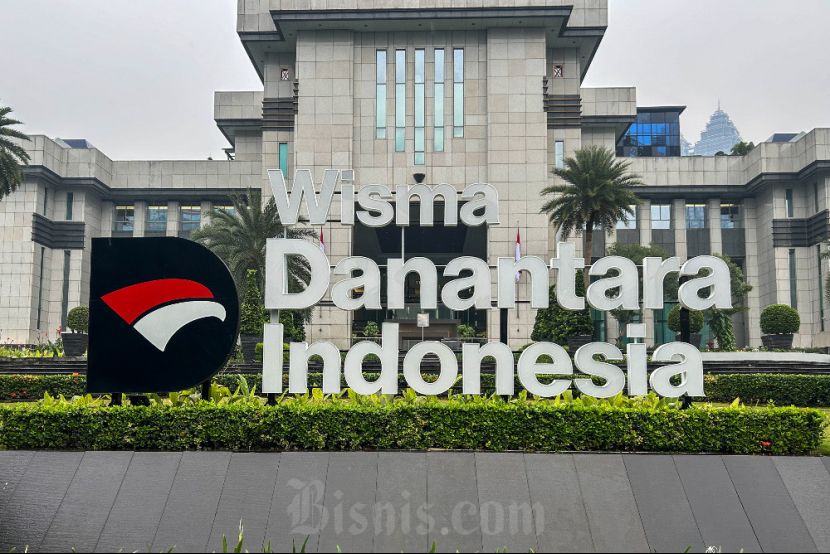
Indonesia to Kick Off Multiple Strategic Project Constructions This Year
Indonesia's Danantara Investment Authority will launch multiple strategic project constructions in 2026, focusing on flagship projects and six downstream industry projects, while simultaneously planning 18 priority projects in downstream and energy security. The overall investment scale is massive, covering key sectors such as mineral processing, energy transition, agriculture, and livelihoods. For flagship projects, the first batch of Waste-to-Energy (PSEL) projects will be implemented in four mature areas: Bekasi, Bogor, Bali, and Yogyakarta. Construction is expected to commence in phases from March to June, with individual project investments of around IDR 2–3 trillion. A