

Chinese funds remain a major source of investment in Indonesia
In 2025, total foreign direct investment (FDI) flowing into Indonesia reached 900.9 trillion rupiah, a slight increase of 0.1% compared to the previous year. Among them, Singapore was the largest source of foreign investment for Indonesia, leading the five regions in Asia. The Coordinating Minister for Investment and Downstream Industry, who also serves as the Chairman of the Investment Coordinating Board, revealed that the five regions with the highest investment in Indonesia in 2025 all came from Asia, with Singapore topping the list with an investment scale of approximately US$17.4 billion (equivalent to 293.6 trillion rupiah). Key areas of foreign investment focus include base metals and metals

Indonesia's First Sea-Shipment of Frozen Durian Enters Chinese Market
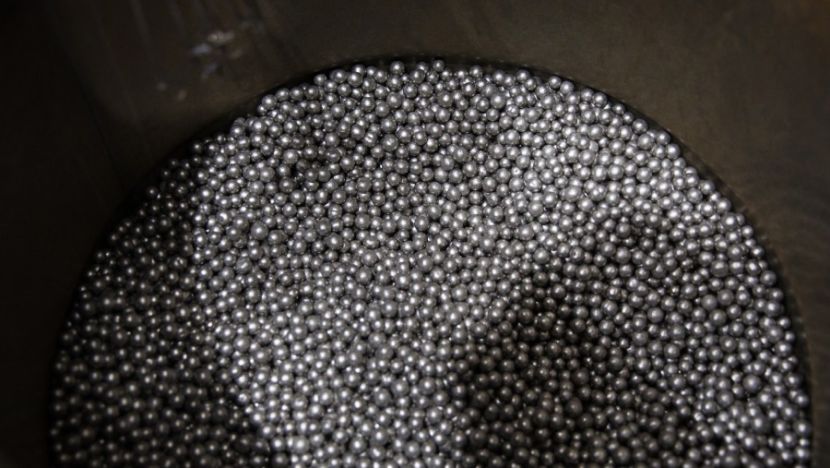
Indonesia Fails to Reveal Nickel Output Cut Details, LME Nickel Prices Plunge Nearly 8% in Two Days
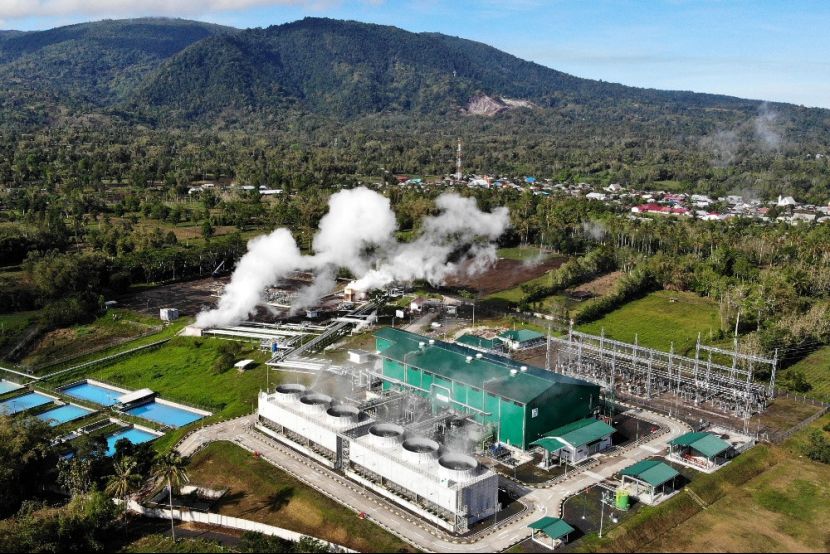
Indonesian Geothermal Energy Company Launches Geothermal Power Plant Project

Indonesia to Extend Multiple Economic Stimulus Policies This Year
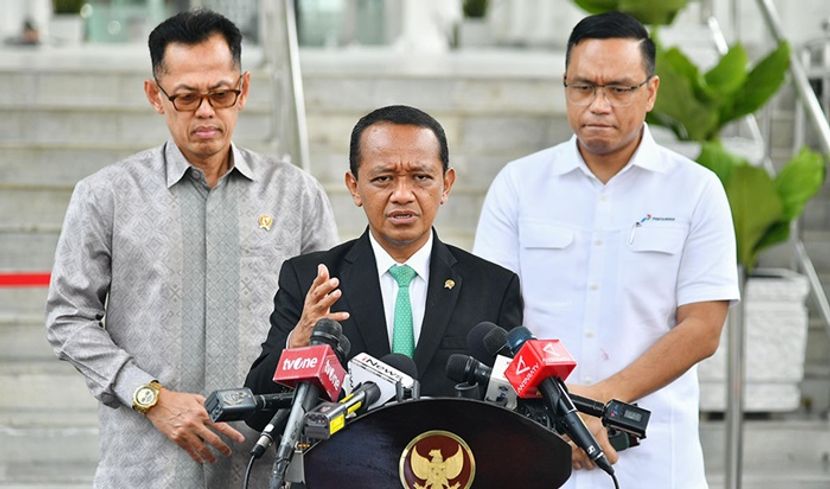
Indonesia's Tax Gap Widens, Finance Minister Targets Non-compliant Chinese-invested Enterprises
The Minister of Energy and Mineral Resources recently announced a major strategic adjustment, significantly lowering the national coal production target for 2026 to approximately 600 million tons. This move aims to alleviate the global coal market oversupply and stabilize and boost coal prices. According to data released at the Ministry of Energy and Mineral Resources' 2025 performance press conference on January 8, 2026, the new target represents a decline of about 24% from the actual production of 790 million tons in 2025. As a key supplier in global coal trade, Indonesia currently accounts for 43% of the global 1.3 billion tons of coal trade, with a supply volume of 514 million tons. Its production
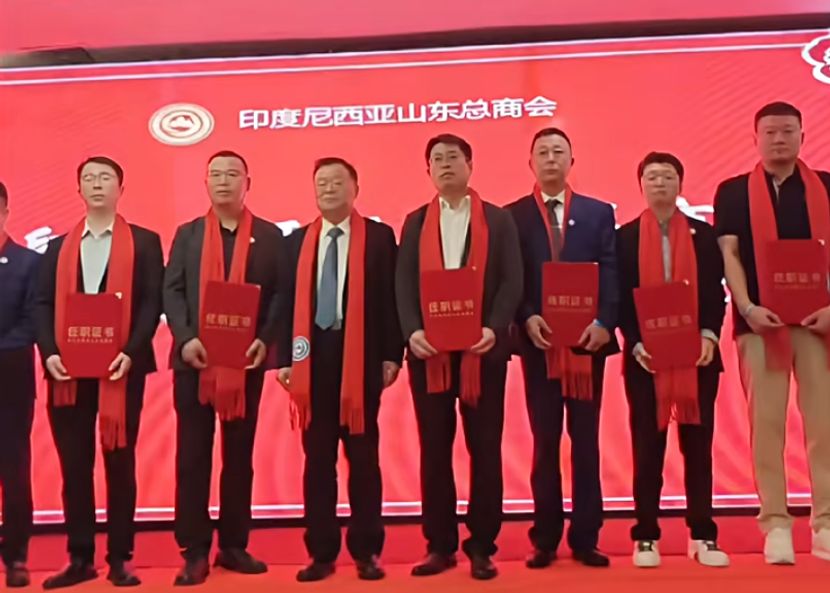
Inauguration Ceremony of the First Council of Indonesia Shandong Chamber of Commerce
On January 11, the Inauguration Ceremony of the First Council of the Indonesia Shandong Chamber of Commerce and the 2025 Annual Meeting were held in Jakarta. The event gathered representatives from government and enterprises, as well as prominent local figures. This grand occasion, blending solid achievements with deep hometown sentiments, became a hot topic in the Indonesian Shandong business circle. Since its establishment in June 2024, the Indonesia Shandong Chamber of Commerce has delivered an impressive report card: It not only facilitated a Shandong enterprise's geothermal substation project in Indonesia, setting a benchmark for clean energy, but also organized nearly 100 agricultural machinery enterprises for precise matchmaking, effectively helping Shandong merchants enter the Indonesian market. Government-enterprise

Indonesian Investment Minister Meets Representatives of Chinese Company Tsingshan Group
The Minister of Investment and Downstream Industry, also Head of the Investment Coordinating Board, recently revealed on his personal Instagram account that he had received a delegation from China's Tsingshan Group. He stated that Indonesia and Tsingshan Group have established a long-term cooperation in the nickel-based industry and domestic mineral downstreaming. The meeting was held in early January 2026. He discussed several issues with Tsingshan Group's Chairman of External Affairs and Directors of Indonesia Weda Bay Industrial Park, focusing on investment sustainability, deepening industrial added value, and the development direction of industrial parks, aiming to align relevant projects with Indonesia's long-term development vision.
China-Indonesia 'Two Countries Twin Parks' Promotes 16 Major Projects
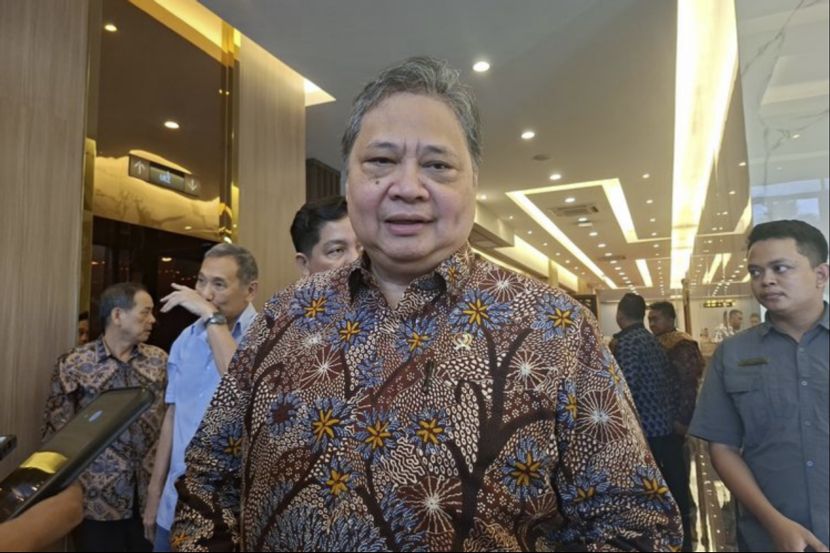
Indonesia and China signed memorandums of understanding for 16 major project investments totaling $2.19 billion (approximately IDR 36.4 trillion) as part of the **"Two Countries Twin Parks" (TCTP)** cooperation mechanism, aimed at deepening industrial collaboration between the two countries. The agreement was announced by the Coordinating Minister for Economic Affairs at the 20th anniversary commemoration of the China Chamber of Commerce in Indonesia (CCCI). These 16 projects are jointly promoted by enterprises from Fujian Province and Indonesian partners, covering multiple strategic sectors. T

Indonesia's First Batch of Frozen Durian Officially Enters Chinese Market
The head of the Quarantine Agency (Barantin) announced in Jakarta that approximately 48 tons of Indonesian frozen durian products have officially entered the Chinese market and are being distributed directly through Qinzhou Port. The first shipment was dispatched on December 15, 2025, and arrived at Qinzhou Port on January 6, 2026, after meeting all customs and quarantine requirements. Indonesia's frozen durian being approved for entry into China proves that the national quarantine system is recognized and trusted to ensure product health and quality in accordance with international standards. This import is the result of the frozen durian export quarantine protocol reached after years of technical consultations and bilateral cooperation between the two countries.
Specific List of Indonesia's 18 Major Downstream Projects
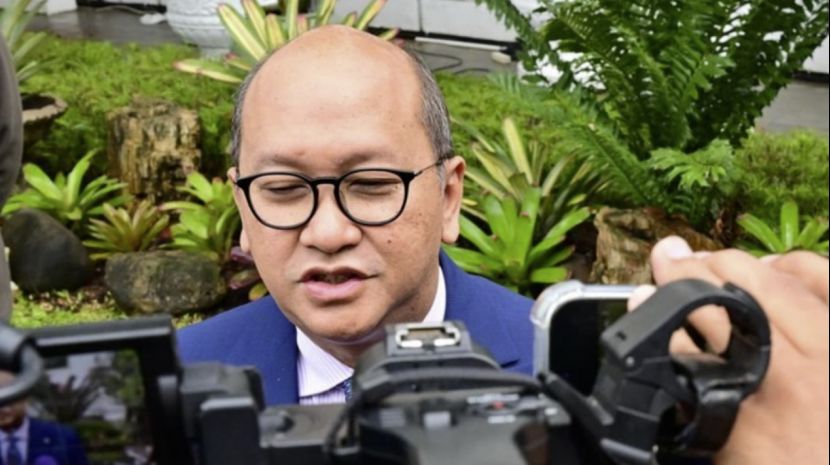
The CEO of Danantara revealed that the government plans to launch multiple downstream projects in the near future, including bauxite smelters, environmentally friendly aviation kerosene refineries, and downstream processing of coconut products. Previously, the government set a target to consecutively complete groundbreaking ceremonies for 18 major downstream projects by March 2025. Projects to be launched include an aluminum smelter in Mempawah and an environmentally friendly aviation kerosene refinery in Cilacap, West Java. In Mempawah, West Kalimantan, two alumina refining
Indonesia Bans Imports of 12 Categories of Goods Starting This Year
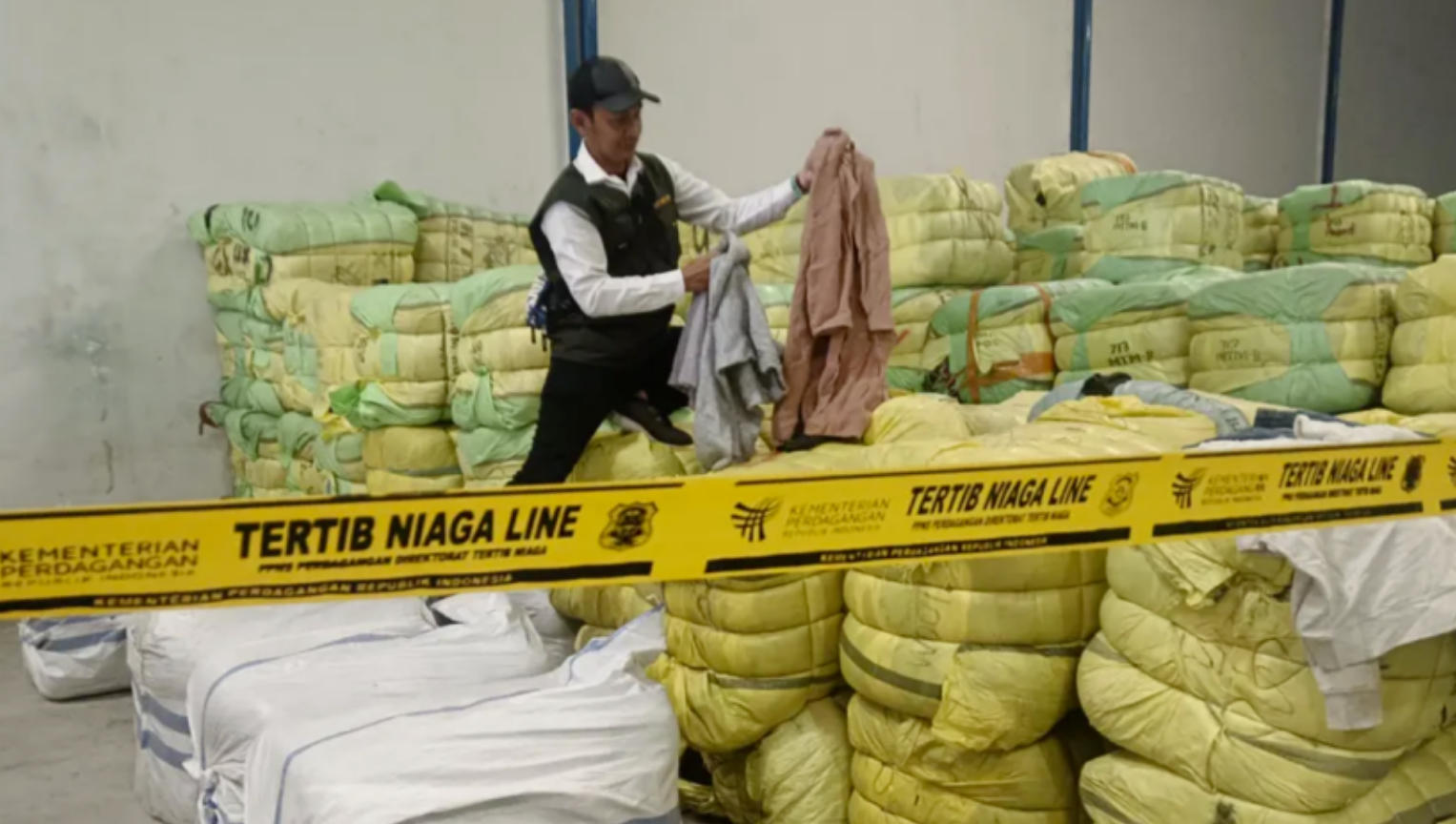
The Ministry of Trade recently issued a document announcing that starting January 1, 2026, a comprehensive ban on the import of 12 categories of goods will come into effect. These goods can be grouped into five major categories: certain finished household appliances, used clothing, certain grains and food raw materials, certain pharmaceutical raw materials, and polluting and high-risk products. This ban is not a simple blockade but provides Chinese companies with opportunities to reorganize and upgrade their businesses. First, the import ban on finished household appliances mainly targets old models using restricted refrigerants and low-end tools. This actually offers businesses a transformation opportunity, encouraging a shift from pure product sales to zero