
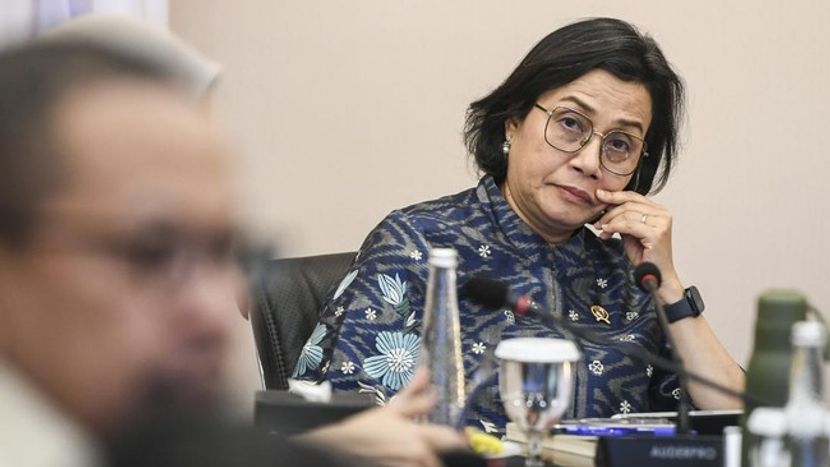
Finance Minister Confirms Indonesia Will Not Impose New Taxes in 2026
The Finance Minister clearly stated during an online working meeting with the Regional Representative Council that although the national tax revenue target for 2026 is as high as 2,357.7 trillion rupiah (approximately US$160 billion), a 13.5% year-on-year increase, the government will not introduce any new taxes. She emphasized that revenue will be increased by strengthening enforcement of the existing tax system and improving taxpayer compliance, rather than imposing new tax burdens. The government is well aware of the huge development needs but limited fiscal resources, so it must prioritize key areas. She pledged that tax policies will embody the spirit of social solidarity, for example by continuing to exempt annual
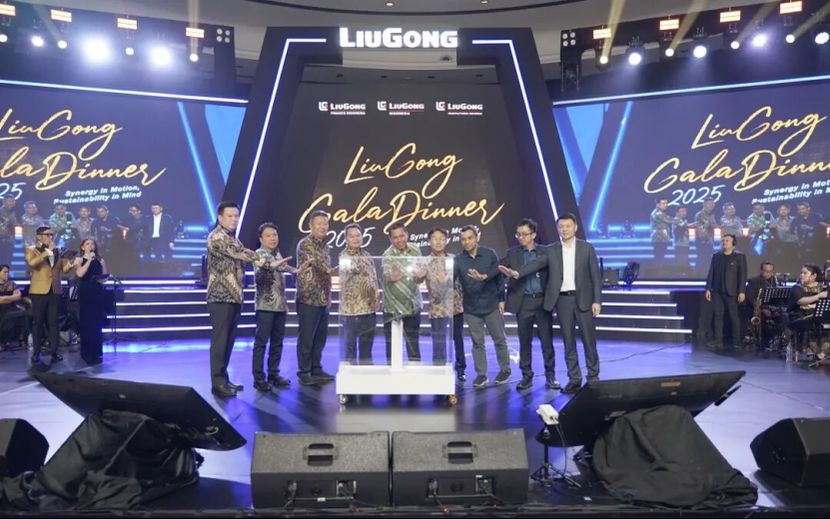
LiuGong Machinery Invests 500 Million Yuan to Build Factory in Indonesia
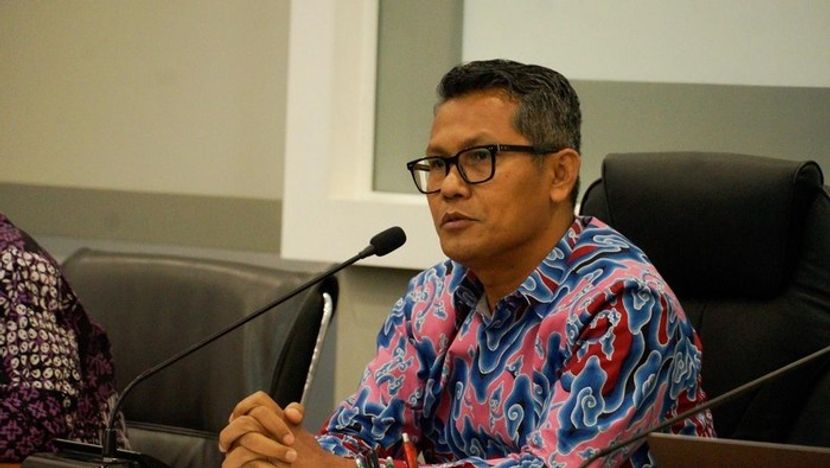
1,690 Indonesian Companies Invest Over 930 Trillion Rupiah in Factory Construction
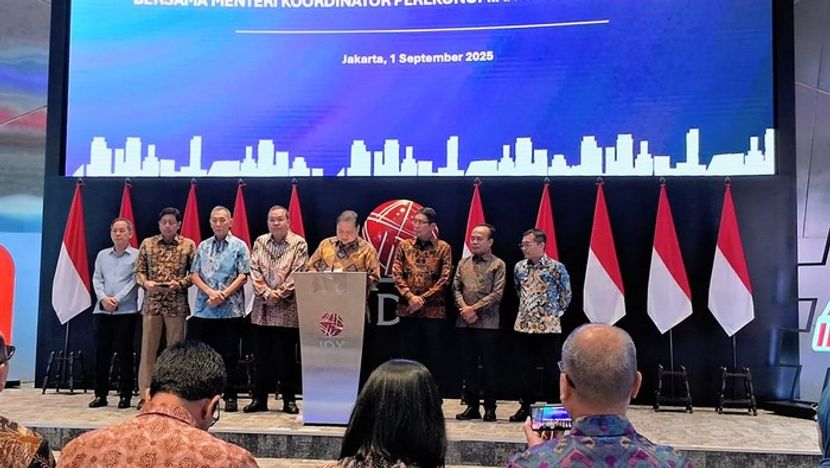
Indonesian Stock Market Plunges 3.4% Amid Recent Unrest
Indonesia Continues to Implement Current Ethanol Import Regulations
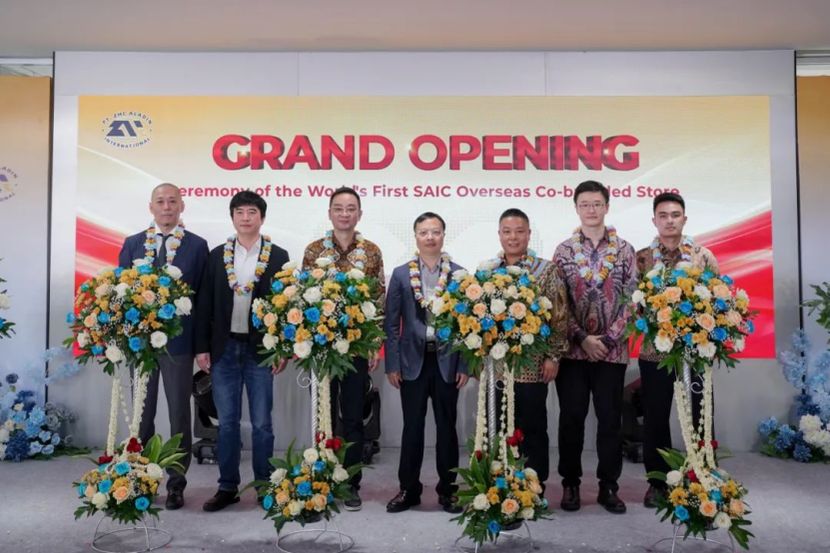
SAIC's First Overseas Dual-Brand Store Opens in Jakarta
SAIC Group's first overseas dual-brand co-branded experience center, featuring "Wuling + MG," recently opened in a prime commercial district in Jakarta. This is the second store since its entry into Indonesia in 2024, marking a new phase of coordinated development for Chinese automotive brands in ASEAN. The center is jointly built by SAIC-GM-Wuling (deeply rooted in Indonesia for 8 years, driving 17 Chinese supply chain partners to go overseas, and establishing 150 sales and service outlets) and MG Indonesia, providing channel support for the "Indonesia-Malaysia-Thailand Integration" strategy. The General Manager of Wuling Indonesia stated that this is a practice of product, channel, and capacity synergy in the group's overseas strategy.

Anta Officially Enters Indonesia's Sporting Goods Market
The globally renowned sportswear brand Anta officially announced its entry into the Indonesian market through a launch event featuring its brand ambassador. Previously, Anta opened its first mono-brand store in Jakarta's Living World Kota Wisata Cibubur in July 2025, and set up an Anta Kids superstore at Puri Indah Mall in early September, adopting a multi-store operation model covering core sports series, children's series, and fashion-forward stores to serve different consumer groups. Anta Group's Vice President stated that Indonesia, with its large population and vibrant market, is a

Protests and Clashes Erupt in Over 20 Cities Across Indonesia
The local immigration office in Surabaya recently carried out deportation procedures for two Chinese citizens at Juanda International Airport, who were expelled for violating relevant provisions of Indonesia's Immigration Law. The specific articles involve violations of residence permits for foreign nationals, and all judicial review processes have been completed. The head of the local immigration office stated that the immigration enforcement actions demonstrate the country's determination to uphold sovereignty, and they will continue to supervise the residence of foreign nationals in a professional and humane manner. Since the beginning of this year, the office has deported a total of 23 foreign nationals from 14 countries who violated regulations. Data from the Directorate General of Immigration shows that the number of deportation cases nationwide in the first half of 2025 has increased by 17% year-on-year.
China's Investment in Indonesia Exceeds RMB 254 Billion
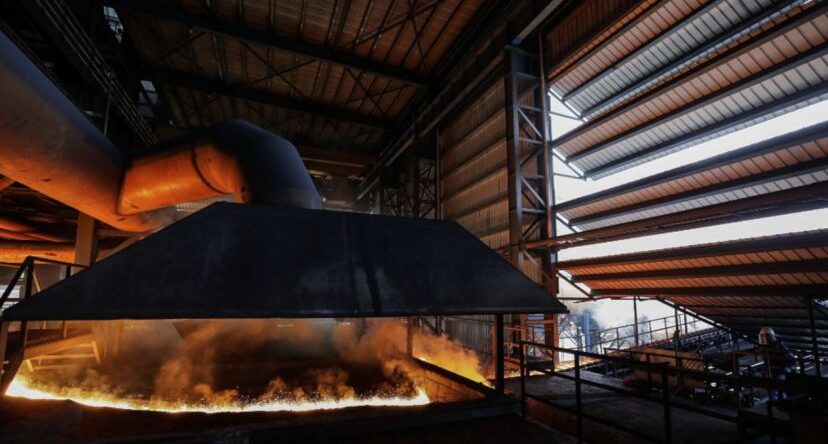
According to the latest data from the Investment Ministry, from 2020 to the first half of 2025, China's cumulative direct investment in Indonesia reached IDR 578 trillion (approximately RMB 254 billion), an increase of 31% compared to six years ago, firmly positioning it as one of Indonesia's largest foreign investment sources. Investment focuses on three major sectors: metal processing industry (44%) with key investments in the North Maluku nickel industrial park, exceeding IDR 254 trillion. Transportation and communication (18%) include ports, 5G infrastructure projects, etc.; chemical and pharmaceutical (10%) drive the upgrade of the local pharmaceutical industry chain. 60% of funds are invested outside Java Island,
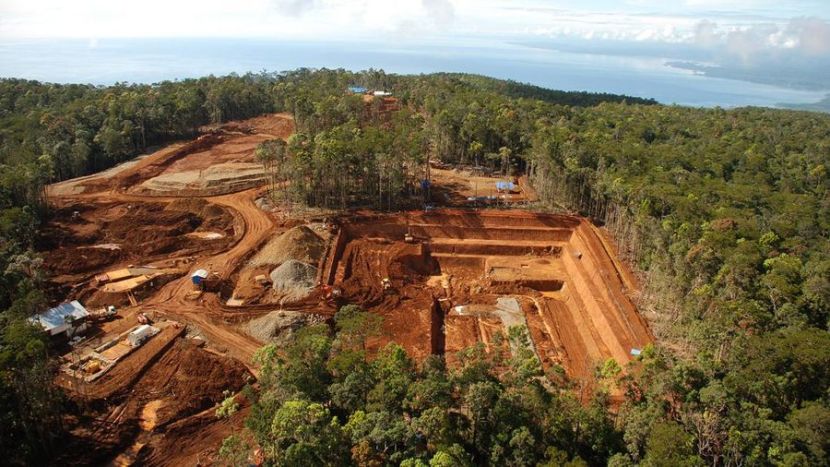
French Mining Company Expands Nickel Mining Operations in Indonesia
French mining company Eramet's 2025 production target is 42 million tons (originally planned 32 million tons + additional 10 million tons quota), of which 30 million tons are high-grade nickel (saprolite), with 27 million tons supplying local NPI smelters and 3 million tons supplying Eramet's own smelter; 12 million tons of low-grade nickel (limonite), all supplied to the High Pressure Acid Leach (HPAL) project. The project partners include French Eramet, China's Tsingshan Holding, and Indonesia's Antam, with the base located in Weda
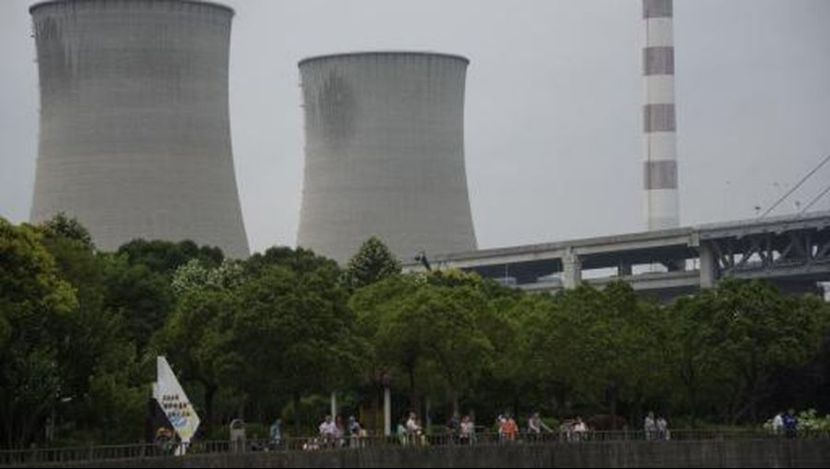
From 500MW to 7GW: Indonesia's Ambitious Nuclear Power Layout Exposed
Indonesia's nuclear power development plan has a short-term target of building a 500MW nuclear power plant by 2034, and a long-term target of expanding to 7GW by 2040. The initial investment of IDR 52.3 trillion (approximately USD 320 million) covers the 2025-2034 construction period. Total investment in the power sector is USD 18.8 billion (approximately IDR 2,967 trillion), with nuclear power accounting for 17% (second only to geothermal and solar PV). The project is led by the State Electricity Company, adopting small modular reactor technology, with candidate sites including Bangka Belitung (feasibility study stage) and Kalimantan (alternative).
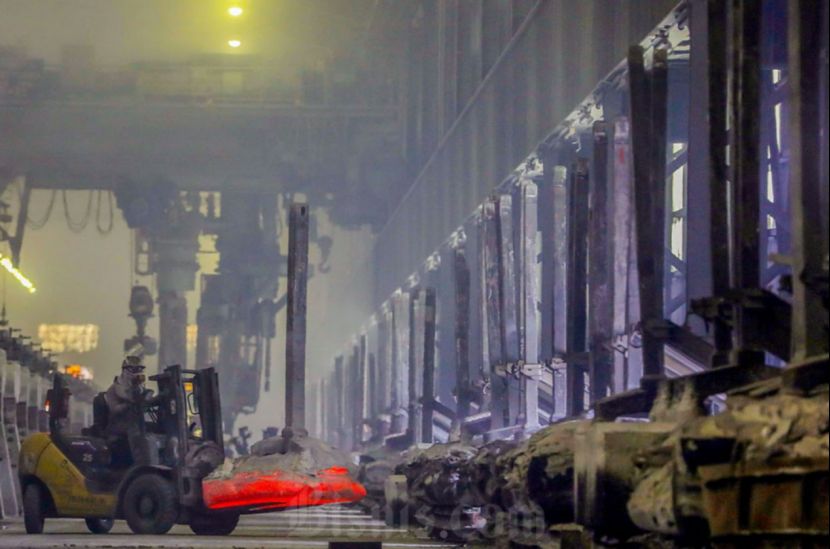
Chinese Companies Accelerate Entry into Indonesia's Aluminum Industry Chain
Chinese capital is accelerating its布局 into Indonesia's aluminum industry chain. The Ministry of Energy and Mineral Resources confirmed that Nanshan Aluminum has entered the Galang Batang Special Economic Zone on Bintan Island (annual capacity of 2 million tons of alumina); Hongqiao Aluminum is expanding its West Kalimantan alumina plant through PT WHW (capacity doubled to 4 million tons); and three other Chinese companies are negotiating electrolytic aluminum plant projects (planned investment of USD 1.2 billion). Indonesia has 7.4 billion tons of bauxite reserves (third globally), with 2025 production locked at 14 million tons (matching existing smelting capacity). In 2023, the bauxite export ban forced dom