
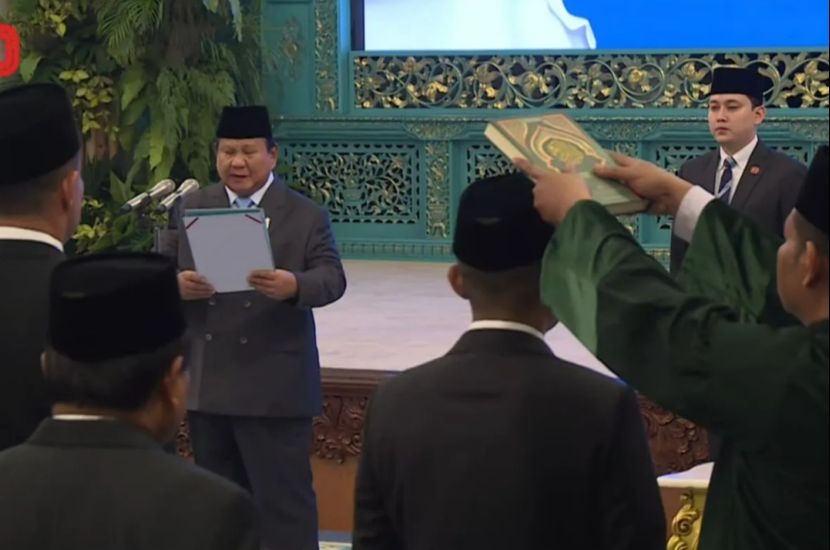
Giant North Java Sea Wall Project Set to Launch
President Prabowo officially appointed Deputy Minister of Marine and Fisheries Didit Herdiawan Ashaf (Retired Navy Vice Admiral) as Chairman of the North Coast Authority (Pantura Authority), with Deputy Chairmen Darwin Trisna Djajawinata (Executive of PT SMI) and Suhajar Diantoro (Former Secretary General of the Ministry of Home Affairs). The core task of this agency is to lead the construction of the giant sea wall on the north coast of Java Island, covering an area from Banten Province to East Java Province, with a total
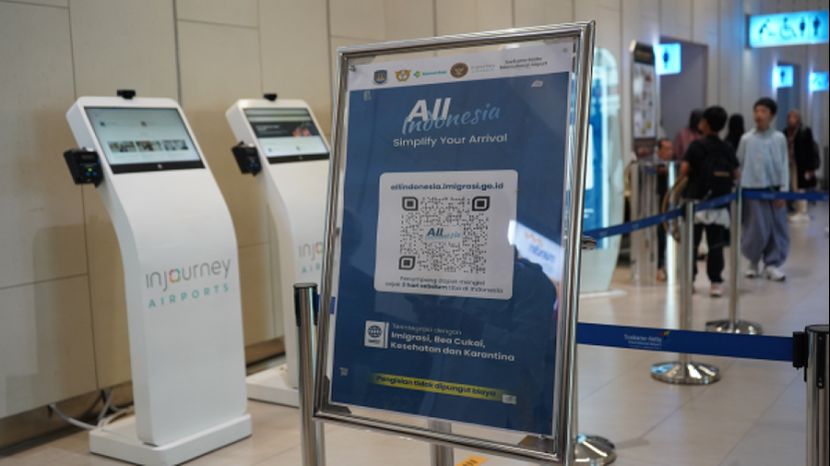
Latest Regulations for Foreign Citizens Entering Indonesia

Chinese Brand Trucks Dominate Indonesian Mining Market

Indonesian Textile Association Questions Unfair Import Quota Allocation
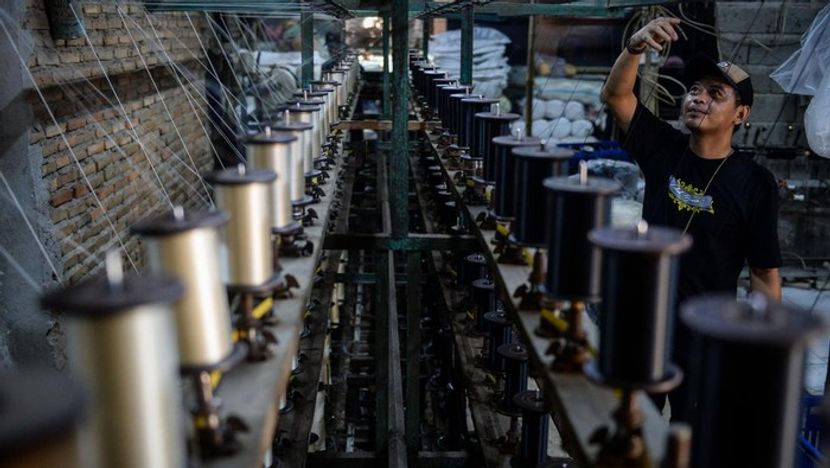
Indonesian Ministry of Industry Criticizes Trade Association for Duplicity
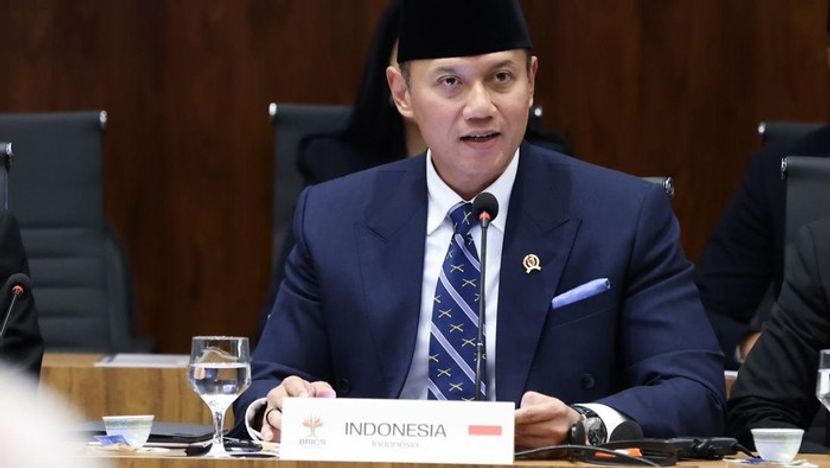
Indonesia Establishes the North Java Coast Authority
President Prabowo signed a presidential regulation establishing the North Java Coast Authority (Badan Otorita Pantura), with two key tasks: leading the construction of the giant sea wall project and attracting investment to the north coast region. The chairman is Deputy Minister of Marine Affairs and Fisheries Didit Herdiawan Ashaf, with vice chairmen Darwin Trisna Djajawinata and Suhajar Diantoro. The steering committee includes Coordinating Minister for Infrastructure and Regional Development Agus Harimurti Y
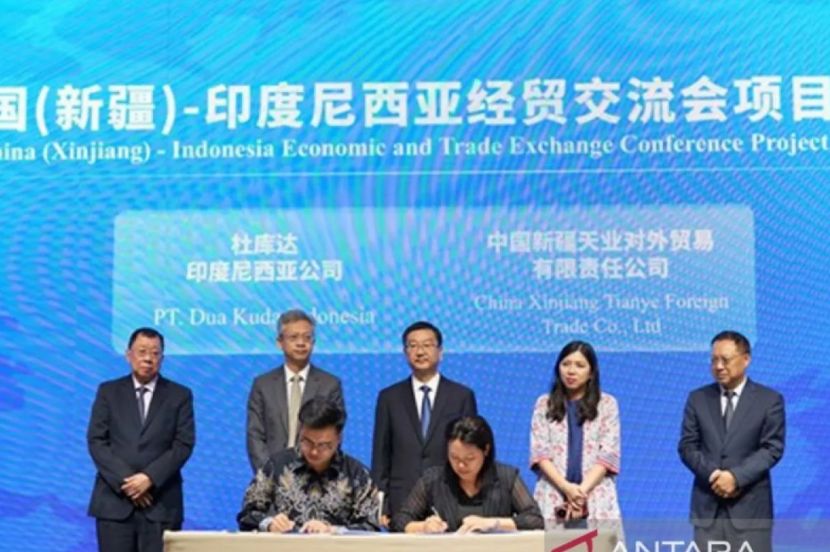
China's Xinjiang Signs Multiple Investment and Industrial Synergy Agreements with Indonesia
The China Committee of the Indonesian Chamber of Commerce and Industry (KADIN) and the Xinjiang Production and Construction Corps jointly hosted the "China (Xinjiang) - Indonesia Economic and Trade Exchange" in Jakarta. Both sides reaffirmed their commitment to deepening economic cooperation in multiple fields, extending beyond trade to cover supply chain development, halal industry strengthening, and creating long-term mutually beneficial opportunities. The cooperation is based on mutual respect, reciprocity, and the large Muslim populations of both sides, and Xinjiang's industrial strengths in agriculture, logistics, energy, and healthcare align with the priorities of President Prabowo's government. Additionally, in the first five months of 2025, bilateral trade between Indonesia and China reached
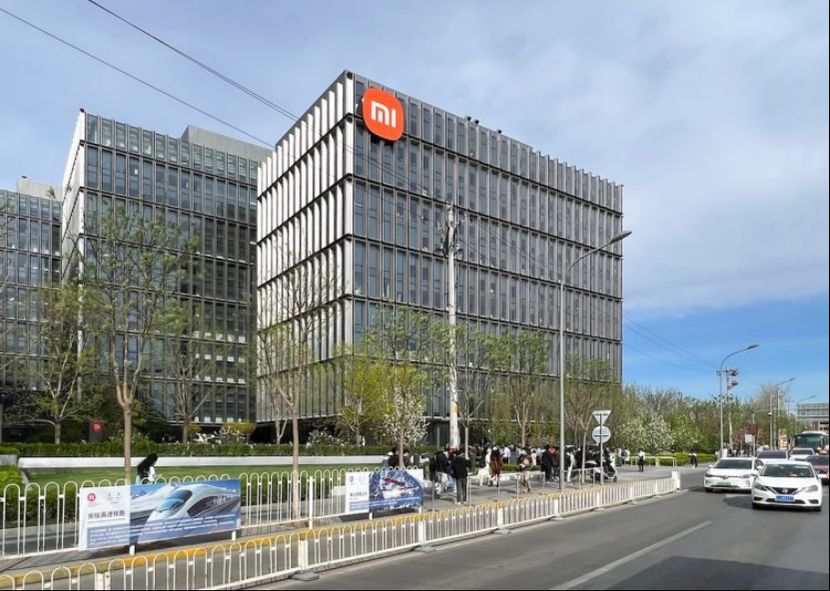
Xiaomi Dominates Southeast Asia and Indonesia Smartphone Markets in Q2
In the second quarter of 2025, Xiaomi surpassed all competitors to become the champion in both the Southeast Asian smartphone market (25 million units shipped, down 1% year-on-year) and the Indonesian market. This marks the first time Xiaomi has reclaimed the top spot in the region since Q2 2021. Xiaomi shipped 4.7 million units in Southeast Asia, capturing a 19% market share (up 8% year-on-year), while its market share in Indonesia reached 21%, driven by the popularity of the Redmi series, an extensive distribution network (direct sales + operator partnerships), strong growth from sub-brand Poco (shipments more than doubled), and the notable success of the flagship Xiaomi 15 series (up 54% year-on-year).
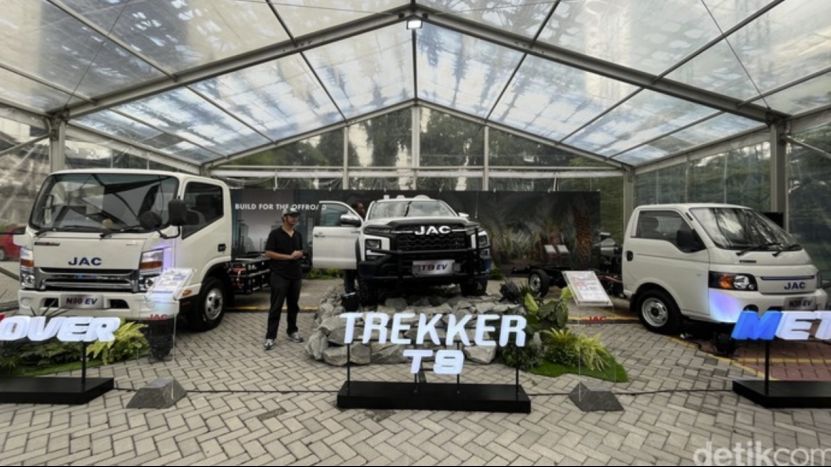
JAC Motors Officially Enters Indonesian Commercial Vehicle Market
Chinese automaker JAC Motors has officially entered the Indonesian market, partnering with the Indonesian Indomobil Group for business operations and vehicle production. The two parties have been collaborating since 2023, focusing on developing products suitable for Indonesian consumers and local conditions. Originally planned to enter the Indonesian market last year, the partnership was officially finalized and launched on August 19, 2025. In its initial phase in Indonesia, JAC Motors will not launch passenger cars but will focus on commercial electric vehicles (EVs). This decision is based on changes in market demand and efficiency, aiming to build
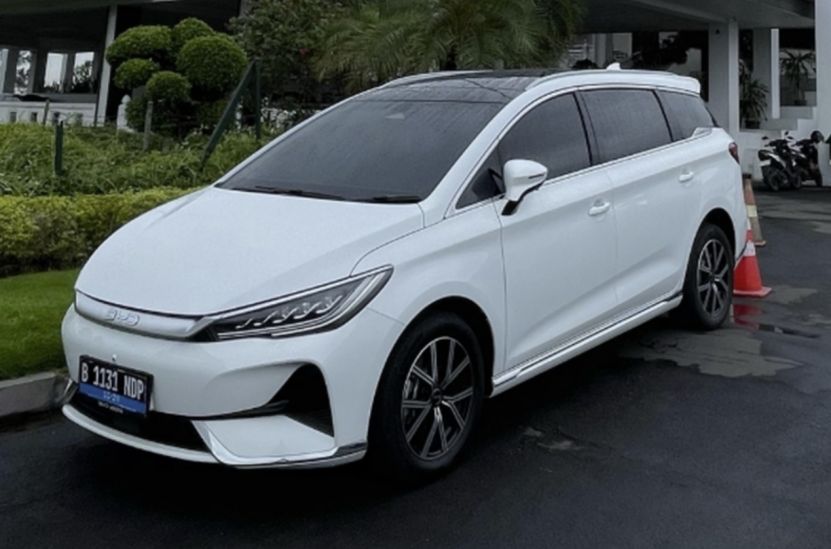
BYD Electric Vehicle Performs Well on Long-Distance Trip in Indonesia
A recent owner drove a BYD M6 on a cross-Java long-distance trip, covering a total of 1,760 km over 8 days and 7 nights, passing through destinations such as Solo, Yogyakarta, and Gunung Kidul. On the uphill section near the Semarang Ungaran toll gate, the power performance was strong, feeling like driving a 2500 to 3000 cc vehicle without any lack of power. The equipped regenerative braking system automatically converts deceleration energy into electricity to charge the battery; for example, on the downhill section from Dieng to Purbalingga, the battery charge actually increased. This system reduces brake load
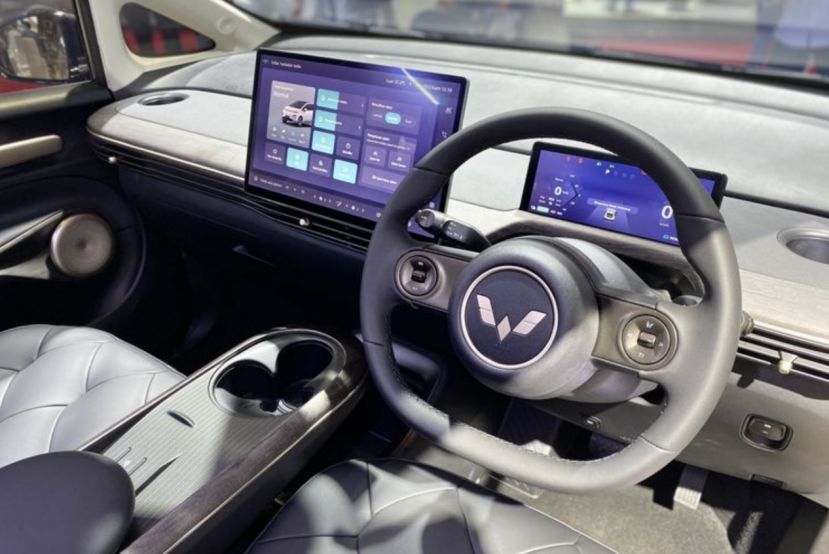
Real Owner Experience of Wuling Cloud EV in Indonesia
A Jakarta owner who purchased a Wuling Cloud EV in October 2024 has driven over 11,583 km, mainly for daily city commutes and weekend family trips. He believes it is more energy-efficient than a fuel car, with monthly electricity costs of around IDR 300,000 to IDR 400,000, far lower than the previous fuel cost of over IDR 1 million; annual tax is approximately IDR 343,000, including IDR 143,000 for SWDKLLJ and IDR 200,000 for STNK administration fees; it is quite practical for daily city driving. However, this model uses an automatic parking brake instead of a mechanical hand lever, which requires adaptation; if the vehicle rolls backward on a slope, you need to brake to a stop before moving forward, which is less convenient than a fuel car.
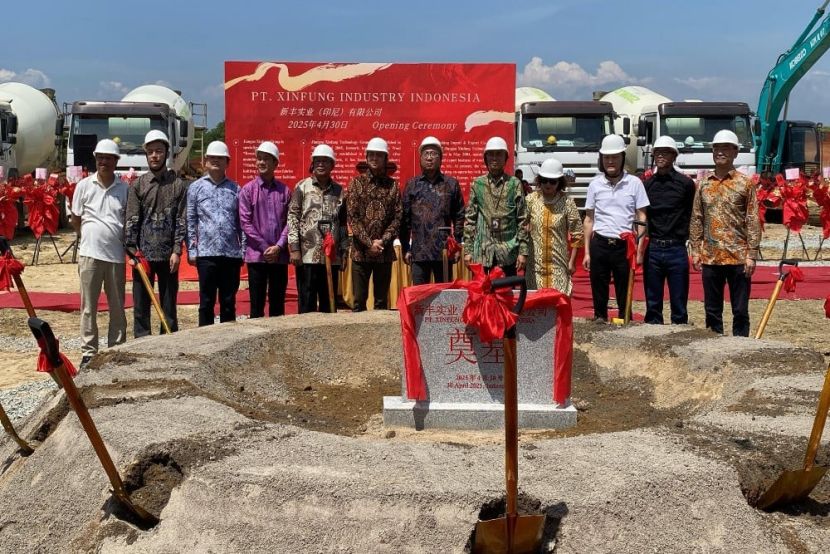
Many Chinese Companies Shift Investment to Jababeka Due to US Tariffs
The US imposed a 19% reciprocal tariff (the "Trump tariff") on Indonesia, which is predicted to attract investment in the industrial and manufacturing sectors. Compared to neighboring countries and regions such as Taiwan (20%) and Vietnam (20%), Indonesia's 19% tariff is relatively low, making it somewhat attractive to certain foreign investors. However, this investment interest is limited to specific products. Since early 2025, Chinese and East Asian companies have shown increased investment interest in Indonesia's Jababeka Industrial Estate, with a rise in visits as well. The US tariff policy has driven the "China+1" strategy,