
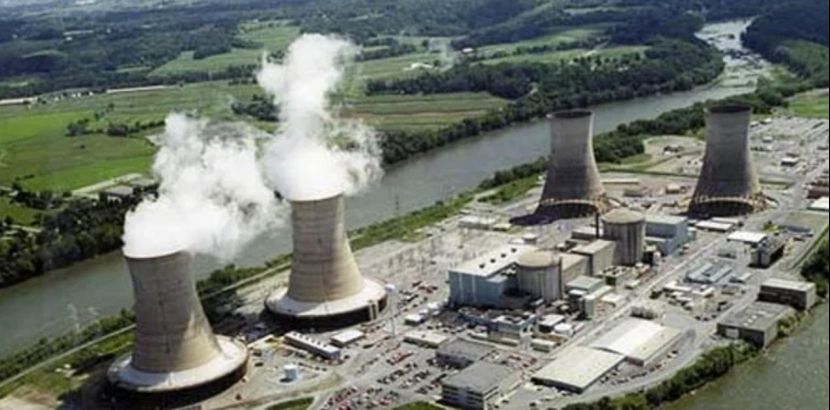
China Participates in Developing Indonesia's Nuclear Power Industry
The global trend of investment in nuclear power plants is increasing year by year. The Indonesian Chamber of Commerce and Industry will work together with the government to seize this momentum and potential. The Vice Chairman of the Indonesian Chamber of Commerce and Industry for Energy and Mineral Resources expressed appreciation for the government's priority on developing the new energy industry. President Prabowo stated that nuclear energy is one of the cleanest renewable energy sources, and most of the funds may be injected into green and renewable energy sectors as well as related key industries. According to the International Energy Agency report, the value of nuclear energy investment will increase year by year under three scenarios. In 2023, over 410 reactors were operating in 30 countries, and this number is expected to increase by 2025. Countries around the world are competing to build nuclear

President Prabowo Meets with Eight Chinese-Indonesian Business Tycoons

Indonesian Ministry of Industry Responds to Crisis at Jiangsu Delong's Indonesian Nickel Company

Chinese Enterprises Building Factories in Indonesia to Create Tens of Thousands of Jobs
Indonesia Identifies 21 Downstream Industry Projects with Total Investment of US$40 Billion
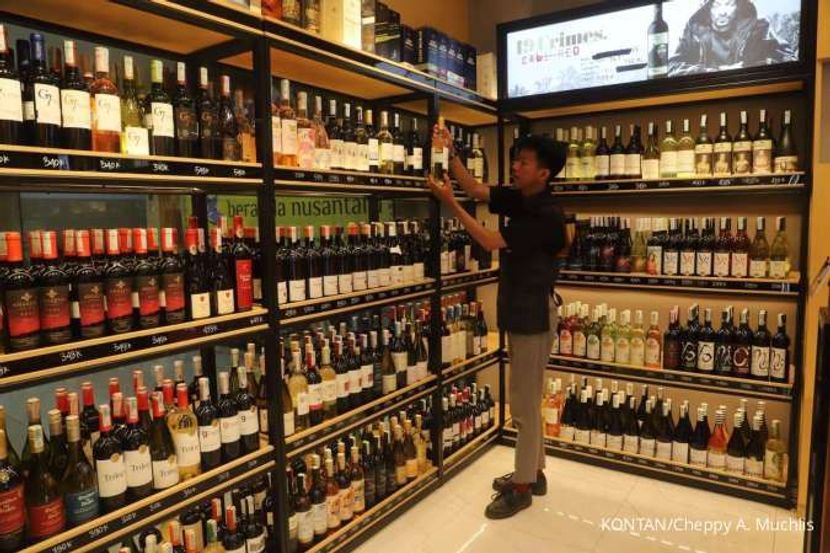
Import License Issues Hinder Development of Indonesian Liquor Companies
In early 2025, members of the Indonesian Alcoholic Beverage Importers Association reported difficulties in selling their products due to incomplete issuance of alcoholic beverage import licenses. Currently, only 9 out of 17 member importers have obtained licenses, and the association is unaware of the reasons for the remaining 8. According to regulations, license applications through the trade system should only take 5 business days. The association has sent a complaint letter to the Ministry of Trade but has received no response. The license issue may lead to unfair competition and could allow illegally imported alcoholic beverages to enter the market. Additionally, since last year, the demand for imported alcoholic beverages has been slowing, linked to global and domestic economic uncertainty and declining public purchasing power.
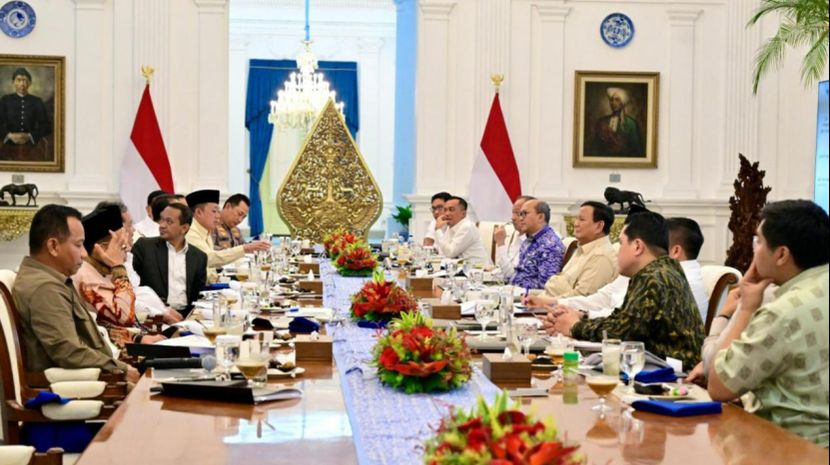
Indonesian Government Cabinet Reviews Downstream Industry Projects
The Indonesian government is reviewing various downstream projects, including minerals, coal, agricultural products, and seafood. President Prabowo received a report from the downstream task force and relevant ministries on investment development in downstream industries. During the meeting, the task force reported several strategic projects aimed at promoting industrialization and national economic growth. The Minister of Investment and Downstream stated that, in addition to economic considerations, these projects also examine their impact on job creation, increasing exports, and reducing imports. The government's goal is for these projects to contribute not only short-term benefits but also to healthy and sustainable industrialization, with evaluations at each stage to ensure optimal investment outcomes. As risk mitigation

BYD's Indonesia Factory Construction Proceeds as Planned
PT BYD Motor Indonesia emphasized that construction of its factory in Subang, West Java, is proceeding as planned, with a target to begin operations in early 2026. Everything is progressing smoothly, and BYD is confident in meeting the operational schedule. BYD has already sold several electric vehicle models in Indonesia, including Dolphin, M6, Atto 3, Seal, and the latest Sealion 7. The company has also introduced its premium brand Denza to Indonesia, launching the luxury MPV D9. BYD's electric vehicle production facility is located in Phase II of the Subang Smart Industrial Park in West Java, covering more than 10

China and Indonesia Strengthen Vocational Education Cooperation, Cultivating Over 300 Technical Talents
The Indonesia Luban Workshop Smart Manufacturing Center, jointly established by China's Yangzhou Polytechnic Institute and Indonesia's Universitas Muhammadiyah Jakarta, was inaugurated at Universitas Muhammadiyah Jakarta. Covering nearly 300 square meters, the training center aims to deepen the integration of vocational education with industry needs and cultivate highly skilled technical professionals for Indonesia. The center features two functional zones: electrical assembly and intelligent production lines, supporting talent development in Indonesia's electrical and automation sectors. The Dean of Yangzhou Polytechnic Institute emphasized the center's importance in strengthening industry-university-research cooperation between the two countries, while the Rector of Universitas Muhammadiyah

Five Investors Enter New Capital City
The Head of the New Capital Authority signed land use agreements and notarial deeds at the Public Works Ministry Hall in Jakarta with five investors, including PT Balikpapan Ready Mix Nusantara, PT Berkah Bersinar Abadi, PT Brantas Abipraya (Persero), PT Puri Persada Lampung, and Surabaya State University. They will build mixed-use buildings, office towers, a ho
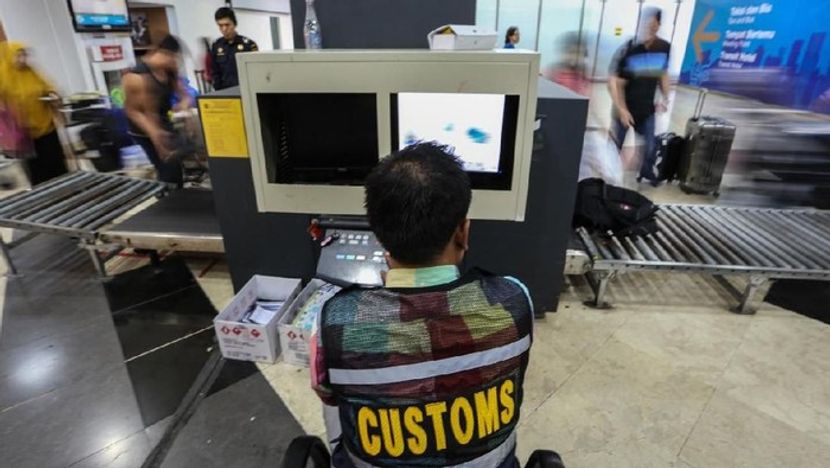
Indonesia simplifies import tariffs on eight categories of goods
The Indonesian government has simplified import tariffs on eight specific categories of goods, currently reducing them to three rates: 0%, 15%, and 25%. The Director of Imports at the Technical Directorate of Customs and Excise, Ministry of Finance, stated that the import tariff for goods worth over US$3 to US$1,500 is uniformly set at 7.5%, but this regulation does not apply to the eight designated categories. The eight specific categories include: scientific books with a tariff of 0%; watches, cosmetics, steel, bags, textiles, footwear and similar products, and bicycles with tariffs adjusted to 15% and 25% respectively. Customs officers no longer need to look up specific HS codes, and recipients can more easily calculate tariffs. The new policy is stipulated in Minister of Finance Regulation No. 4 of 2025, effective from March 5, 2025. Goods in specific categories are also subject to a 5% income tax, except for books.
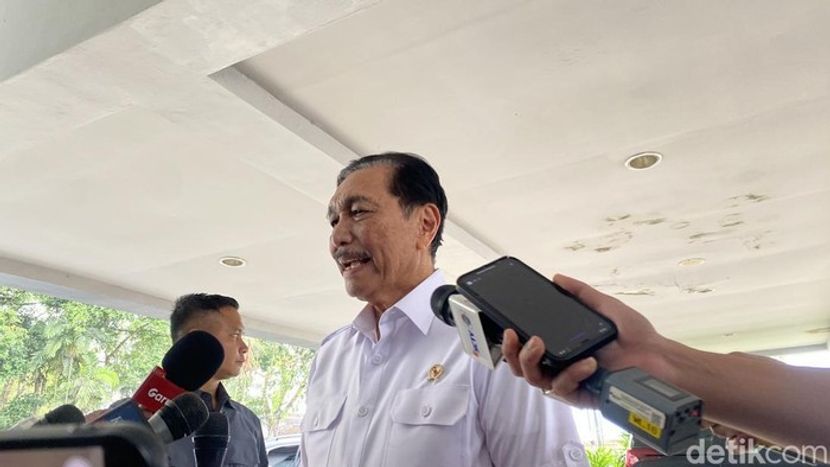
Indonesia attracts investment in textile and footwear industry to create job opportunities
Chairman of the National Economic Council Luhut stated that over the past year, Indonesia has become a target for the relocation of the textile and footwear industry. The textile and footwear industry is highly strategic, capable of creating a large number of jobs with relatively short workforce training periods, and can also drive the development of small industries, especially the food and beverage sector, opening up broad employment opportunities for MSMEs. Investing US$20-30 million in a garment factory can absorb 6,000 to 10,000 workers. He recently met with the Indonesian Footwear Association and global representatives such as Adidas and Nike, who are optimistic about Indonesia. A global brand plans to increase orders