
Indonesia Bans Copper Concentrate Exports Starting This Year
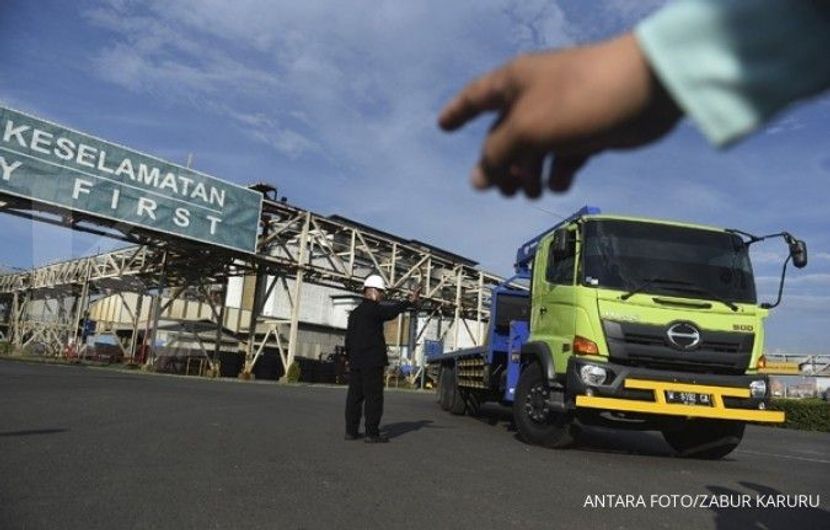
On January 1, 2025, the Indonesian government officially implemented a ban on the export of copper concentrate. This ban dashed the hopes of PT Freeport Indonesia (PTFI) to extend its copper concentrate export permit after a fire at its processing and refining facility located in the Gresik Special Economic Zone (KEK) Gresik JIIPE, East Java. The Director of Industrial and Mining Product Exports at the Ministry of Trade stated that according to Minister of Trade Regulation No. 10 of 2024, the list of prohibited exports from January 1, 2025, includes copper ores and copper concentrates under specific codes.
BYD to Supply New Energy Vehicles to Grab in Southeast Asia
Indonesia's New Energy Investment Demand Reaches 1,100 Trillion Rupiah
Wuling's Cumulative Production in Indonesia Reaches 160,000 Vehicles
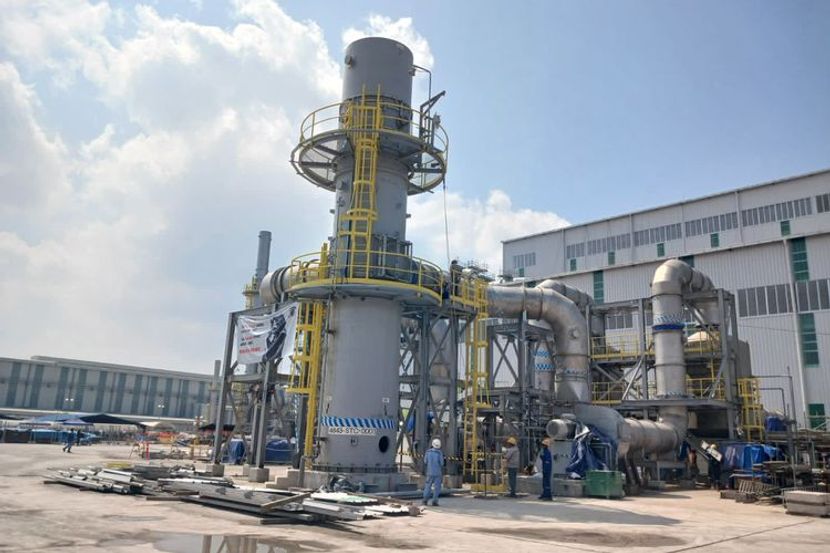
Indonesia's Mineral Downstreaming Drives Economic Development
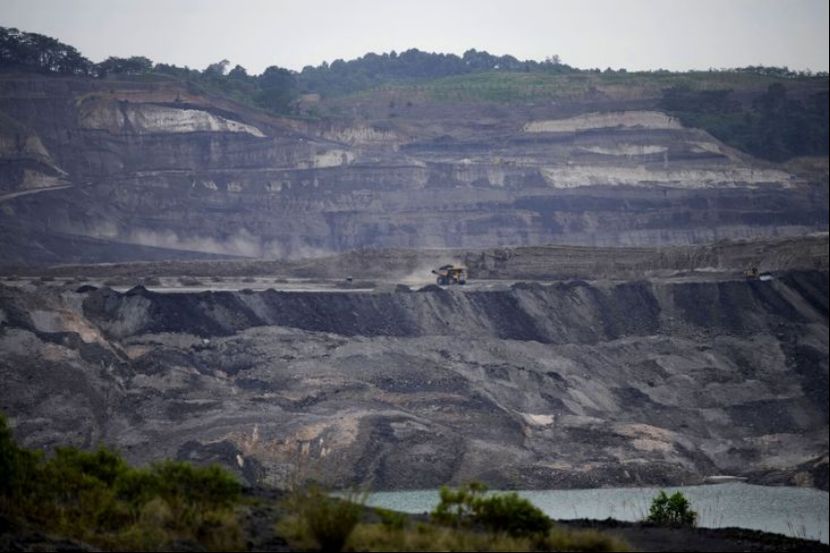
Indonesia Plans to Significantly Cut Nickel Production This Year
Indonesia is considering a drastic reduction of nickel production from 272 million tons in 2024 to 150 million tons in 2025. Macquarie Group warns that Indonesia's nickel mine output cuts could reduce global supply by 35%, threatening the supply of a key metal for electric vehicle batteries and potentially causing nickel prices to surge. Since Indonesia contributes over 50% of global nickel production, this decision has a huge impact on the international market. In 2024, nickel prices fell for the second consecutive year, mainly due to increased nickel production in Indonesia and declining demand from battery producers and the stainless steel industry. Traders and analysts are closely watching China's economic stimulus measures and the US...
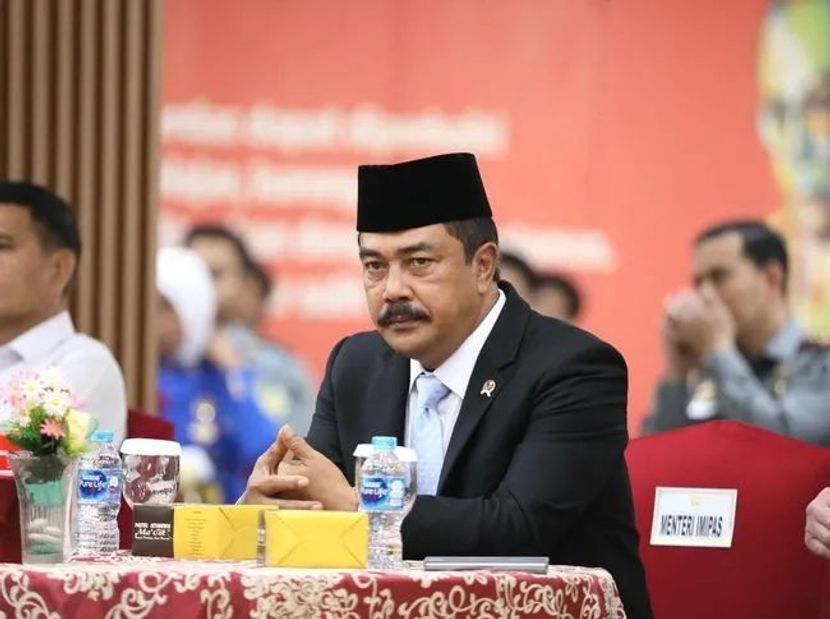
Chinese Embassy Sends Letter; Airport Immigration Officers Removed from Duty and Investigated for Alleged Extortion
All immigration officers at Jakarta's Soekarno-Hatta Airport have been temporarily removed from duty! The incident originated on January 21, 2025, when the Embassy of the People's Republic of China in Indonesia sent a letter to relevant Indonesian authorities, stating that multiple Chinese citizens had been extorted by immigration officers at Soekarno-Hatta Airport. The letter included a list of suspected extortion cases from February 2024 to January 2025, detailing at least 44 suspected extortion cases involving over 60 Chinese citizens who were collectively demanded IDR 32,750,000, along with specific cases and
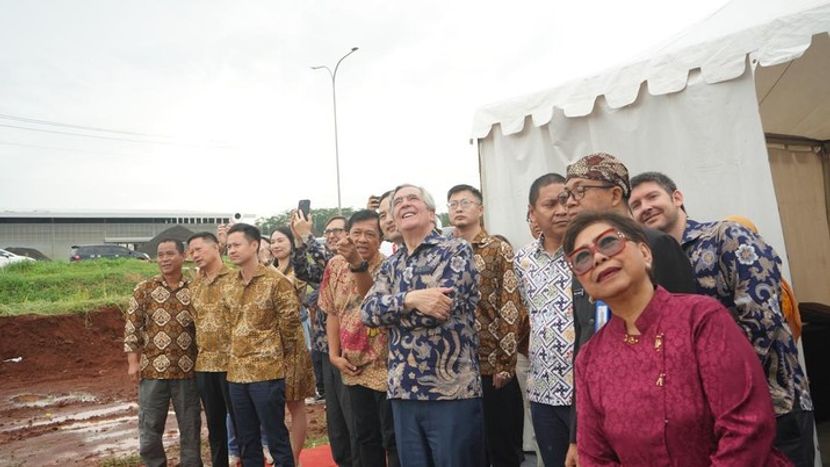
Chinese Steel Giant Invests IDR 600 Billion to Build Factory
PT Elecmetal Longteng Indonesia has started construction of a grinding ball production facility in Batang Integrated Industrial Zone (KITB), covering an area of 4.99 hectares with a total investment of nearly USD 40 million (approximately IDR 600 billion). The company is a joint venture between Chile-listed ME Elecmetal and China's Longteng Special Steel. ME Elecmetal is the world's largest producer of mill liners, supported by the Claro Group; Longteng is a major player in the special steel market and owns the world's largest grinding ball manufacturing facility. The new facility is designed
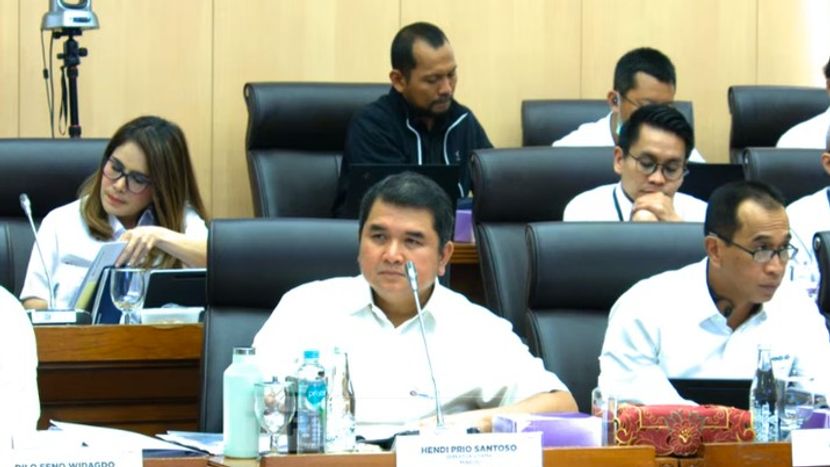
Indonesian State-Owned Mining Company Calls for Limits on Number of Nickel Smelters
State-owned mining holding company MIND ID states that the number of nickel smelters in Indonesia is booming. Its Chief Director indicated that the surge in nickel smelters has lowered the selling prices of related products, with nickel pig iron already facing a situation where prices can barely cover costs. Therefore, it hopes to restrict the construction of secondary nickel smelters (such as those producing nickel pig iron and ferronickel) to prevent oversupply in the global market. At the same time, considering that the remaining lifespan of nickel reserves is only enough for the next dozen years, it calls for full support for ongoing smelter projects to avoid policy harm to nickel companies that have invested heavily. The 2009 relevant law regulated the downstream implementation of the mineral materials industry, and the government implemented an export ban in January 2014 based on this.
![Indonesia Belt and Road High-tech Development Zone [Chinese]](/storage/uploads/2025/01/1738291115-01YDYL1.jpg)
Indonesia Belt and Road High-tech Development Zone [Chinese]
![China-Indonesia Economic and Trade Cooperation Zone [Chinese]](/storage/uploads/2025/01/1738288943-01KITIC1.jpg)
China-Indonesia Economic and Trade Cooperation Zone [Chinese]
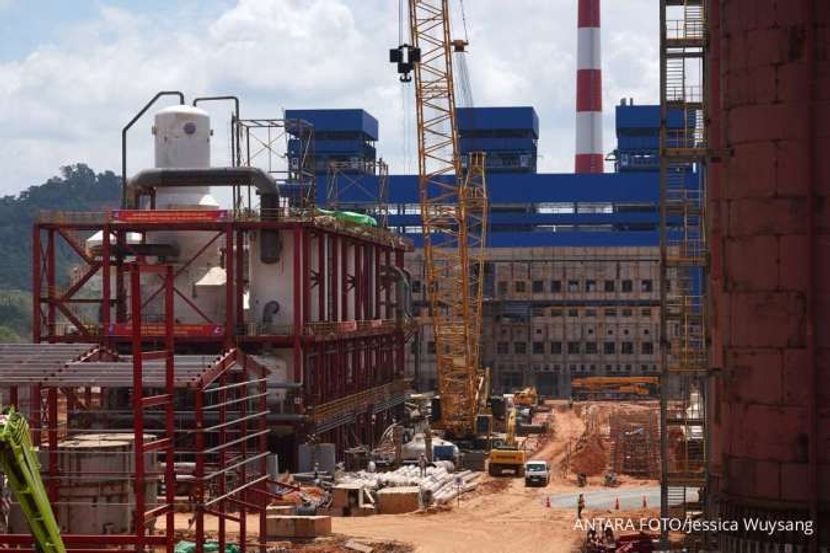
Indonesia's Bauxite Downstream Industry Development Stagnates
The construction of bauxite smelting projects in Indonesia faces numerous difficulties. Although downstream plans are in place, only three smelters have been built in the past decade, while seven remain stalled. The obstacle lies in the lack of serious investors committed to project development. Since 2014, aside from PT Aneka Tambang and PT Bauxite Alumina Indonesia, no IUPK holders have successfully constructed a smelter. The Minister of Energy and Mineral Resources has previously stated the intention to improve the stagnant bauxite downstream industry. According to records from the Ministry of Energy and Mineral Resources, there are seven mineral processing facilities or bauxite smelters with construction progress exceeding 50