
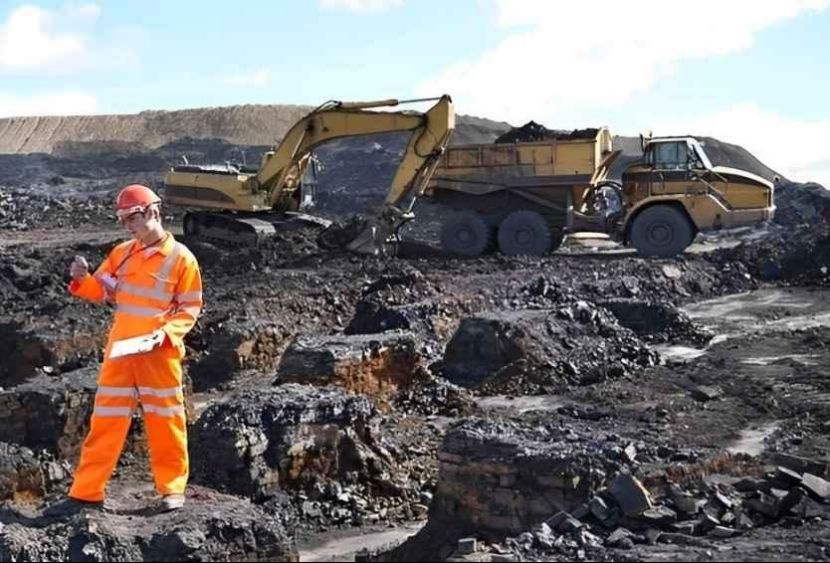
Details of Indonesia's Six Major Nickel Mines
According to Indonesia's 2022-2027 National Mineral and Coal Management Plan, Indonesia ranks first in the world for both total nickel reserves and production, with usable nickel resources accounting for 23% of global reserves and 29% of global production. Indonesia has several large nickel mines: Blok Sorowako in South Sulawesi covers 70,566 hectares and is managed by PT Vale Indonesia Tbk, producing high-grade nickel ore; Weda Bay Nickel in North Maluku covers 54,874 hectares, with shares mostly held by China's Tsingshan and France's Eramet; Pula

Qiandao and Indonesia Enterprise Connect Wish You a Happy New Year
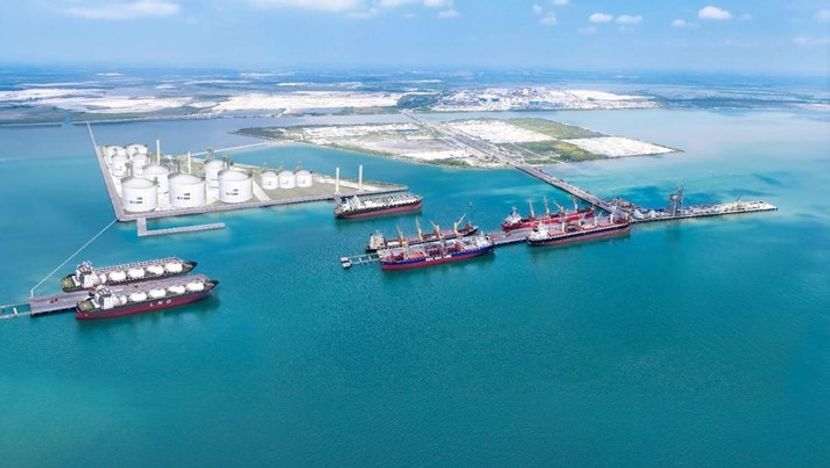
Chinese Ambassador to Indonesia Inspects JIIPE Special Economic Zone
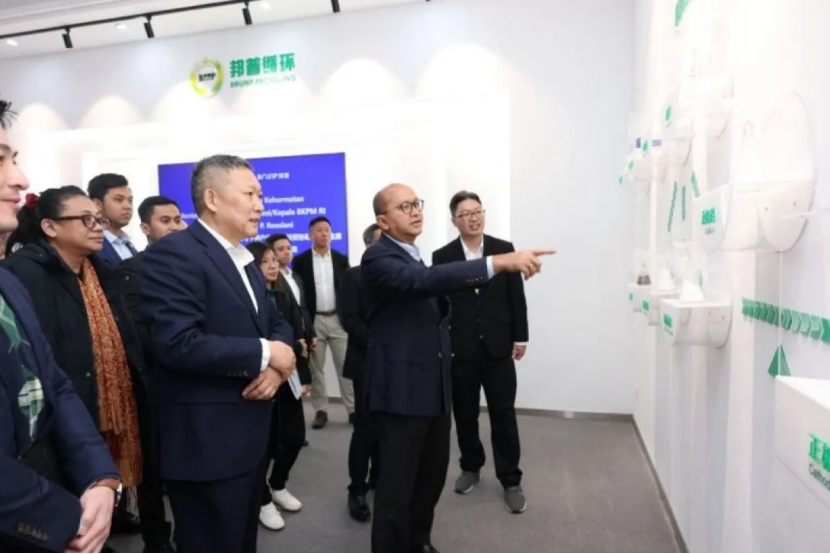
Indonesia's Investment Minister Meets with Three Major Chinese EV-Related Companies
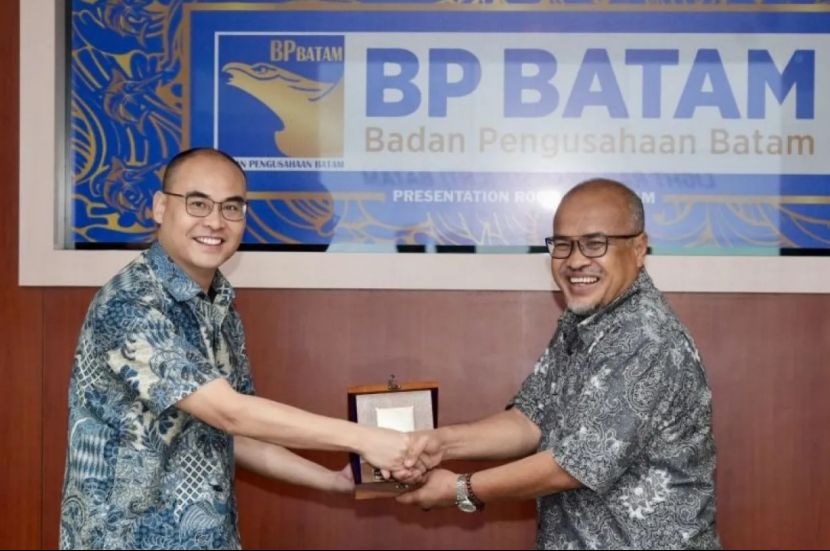
China and Indonesia Plan to Cooperate on Batam Light Rail Construction
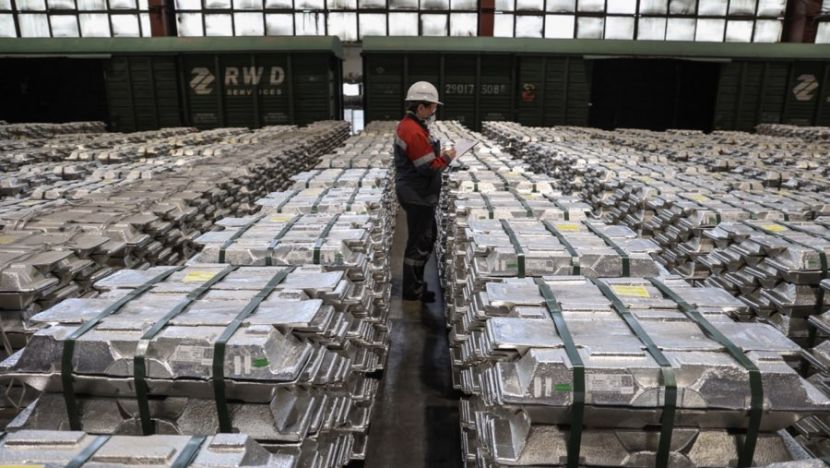
US Cancels Anti-Dumping Tariffs on Indonesian Aluminum Products
The United States International Trade Commission has decided not to impose anti-dumping and countervailing duties on Indonesian extruded aluminum products, ending the investigation and ensuring that Indonesian aluminum products are not deemed harmful to US industry. Indonesia's Trade Minister called this a blessing for the country's manufacturing sector, attributing the result to coordination among Indonesian ministries, agencies, and enterprises. In a press release, the US government stated that it would not impose anti-dumping or countervailing measures on imported extruded aluminum from all investigated countries, including Indonesia. During the investigation, the Indonesian government actively defended the position of exporters. According to data from the Central Statistics Agency, from January to August 2024, affected by the investigation,
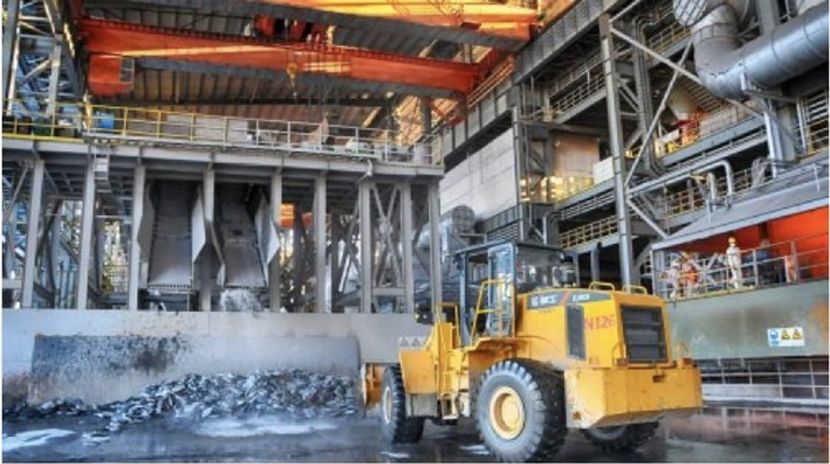
Morowali Industrial Park Sees Significant Investment and Tax Growth
Morowali Industrial Park (IMIP) has invested a massive total of USD 34.3 billion (approximately IDR 552.2 trillion) from 2015 to 2024. Investment continued to increase as of August 2024, with an increase of USD 5.4 billion (approx. IDR 86.9 trillion) from 2022 to 2023, and USD 4.16 billion (approx. IDR 66.9 trillion) from 2023 to 2024. In addition, the park has paid USD 1.16 billion (approx. IDR 185.6 trillion) in taxes to Indonesia. In 2022, it paid USD 1.32 billion (approx. IDR 21.12 trillion)
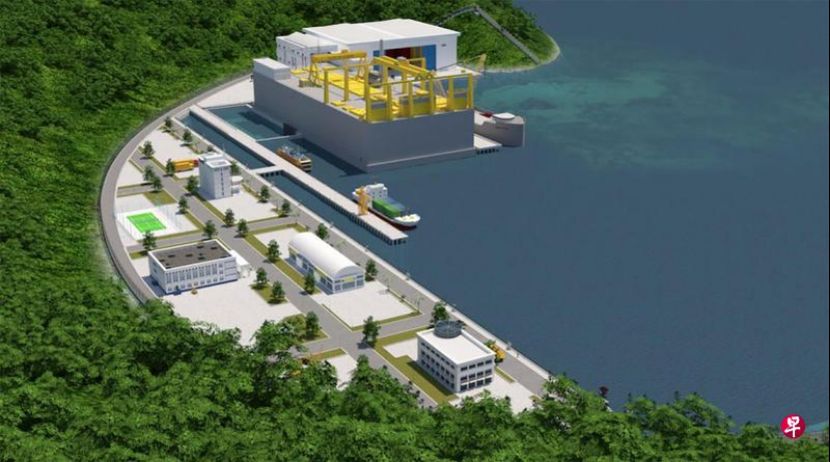
Indonesia's First Nuclear Power Plant Site Selected in Bangka Belitung
Indonesia's first nuclear power plant will be built on Kelasa Island, over 400 km north of Jakarta, invested by Thorcon with a total investment of IDR 17 trillion. The prototype reactor will be shipped from South Korea in 2028, with commercial operations planned for 2030, and power transmission to PLN (State Electricity Company) by 2032, targeting an electricity price below 6.9 US cents per kWh. The plant uses thorium as fuel, leveraging the region's abundant tin resources. A 500 MW plant will be built first, with a second phase adding six more units, reaching a total of 3.5 GW. To address energy demand and transition, the Indonesian government plans to add 100 GW of power supply within 15 years, with 75% from renewable energy and 5% from nuclear. By 2050, more than 20 nuclear plants will be built, and by 2060, nuclear capacity will reach 45–54 GW. PLN is cooperating with multiple countries, and authorities have screened 29 potential sites, prioritizing nuclear projects in four provinces including Bangka Belitung.
Indonesia Market Insights and Overseas Expansion Guide: Summary of Wang掌柜's Live Stream Key Points
In this live stream, Wang掌柜 from Indonesia engaged in in-depth discussions and sharing with the audience on topics related to expanding into Southeast Asia, especially landing in Indonesia, providing companies with rich market information and practical advice. I. Market Trends and Industry Opportunities New Energy Vehicles and Charging Pile Sector: The Indonesian new energy vehicle market is still in the cultivation phase. In 2024, sales reached around 20,000 units, accounting for a small proportion of total vehicle production and sales, but with rapid growth, it is expected to exceed 100,000 units in the next three years. Although the charging pile market is currently immature, with the development of new energy vehicles, the potential is huge. The government has increased the layout of charging piles in areas such as Java. Companies can take an early position, such as cooperating with automakers, leveraging their own advantages (equipment or operations) to enter the market, while paying attention to upstream and downstream linkages to integrate into the industry ecosystem.

Future Development and Housing Market Prospects of the Jakarta Special Region
On November 30, 2024, the status of the Special Capital Region of Jakarta was changed to the Jakarta Special Region. The construction of Indonesia's new capital, IKN, is underway. President Prabowo plans to start working at IKN on August 17, 2028, and civil servants will be relocated to IKN in April. After Jakarta ceases to be the capital, its future has raised many questions. Research by Colliers Indonesia shows that populations in other cities that have lost their capital status are still growing, and Jakarta is expected to become more livable. With reduced traffic congestion, real estate values may rise, and old government buildings can be converted into residences or hotels. Although Jakarta's housing price growth has stagnated, it remains the primary choice for homebuyers due to its abundant supply and convenient transportation. Young people aged 25-34 and productive adults aged 45-54 are the main homebuyer groups. The diverse supply of second-hand homes can meet the needs of different segments.
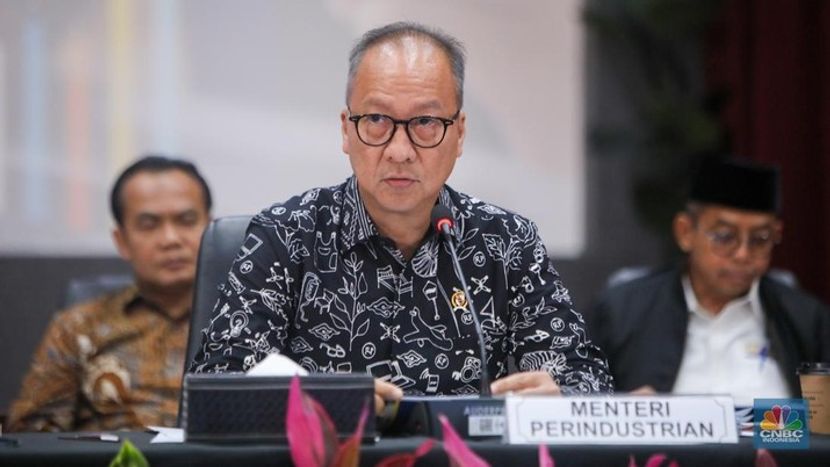
BYD and AION Receive Multiple Tax Incentives from Indonesian Government
The Minister of Industry revealed that Chinese automakers will enjoy multiple preferential policies provided by the Indonesian government for the automotive industry, including PPnBM incentives borne by the government and exemption from import duties. The Coordinating Minister for Economic Affairs stated that in addition to PPnBM DTP incentives, some vehicles will also enjoy VAT DTP incentives to encourage domestic purchasing power. Currently, the automotive industry is experiencing low sales due to declining purchasing power of the middle class. This government move aims to stimulate both demand and supply. The Minister of Finance requested hybrid vehicle manufacturers to register in time to enjoy incentives starting January 1, 2024. This program is regulated by the Minister of Industry Regulation, which stipulates the TKDN value as participation criteria. In 2024, three companies—BYD, Citroën, and GAC AION—committed to building automotive production facilities in Indonesia and will enjoy zero import tariffs and 15% PPnBM DTP. The government aims to demonstrate the competitiveness of Indonesian regulations and help Indonesia become a production hub for KBLBB in ASEAN.
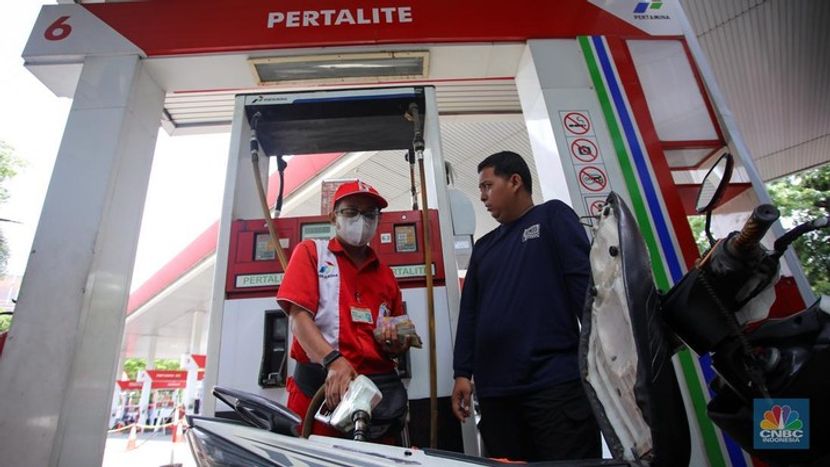
Latest Fuel Prices at Indonesia's Four Major Gas Stations
All fuel providers such as PT Pertamina (Persero), Shell Indonesia, BP-AKR, and PT Vivo Energy Indonesia have jointly increased fuel product prices at all gas stations in Indonesia. This price adjustment took effect from December 1, 2024. For example, non-subsidized fuel types such as Pertamax Turbo, Dexlite, and Pertamina Dex have seen price increases. Other non-subsidized fuel types such as Pertamax (RON 92) and Pertamax Green (RON 95) remain unchanged.