
Indonesia's Investment Ministry Reminds Chinese Investors to Be Cautious in Finding Industrial Land
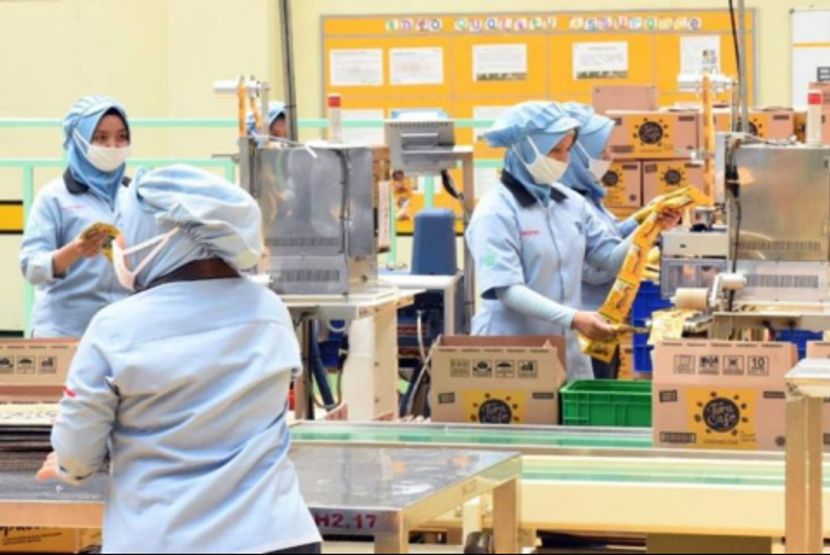
The Indonesian government reminds investors to be cautious when selecting industrial land, as investors often choose the wrong land type, leading to obstacles in factory construction. Chinese investors in particular need to pay attention and should consult with the government. Manufacturing investment in Indonesia has been growing year by year, with investment value increasing 2.7 times from 2018 to 2023. Singapore's investment contributes significantly, some of which may come from Chinese investors. The mining and food industries are the most encouraged. The Chairman of the Indonesian Food and Beverage Producers Association stated that Chinese entrepreneurs are welcome to invest, which can add value, and expressed hope that domestic industries can cooperate to solve raw material supply issues. The President of the China Import and Export Food Chamber said that the chamber is optimistic about its potential to contribute to Indonesia's food and beverage industry, paying attention to the President's free nutritious meal program. Last year, China-Indonesia food trade reached USD 12.8 billion, with strong import and export performance.

Indonesian Official Regulations on VAT Rates Applicable to Different Commodities
Indonesian FDA Suddenly Seizes Large Batch of This Type of Chinese Product

Plan to Increase VAT to 12% in Indonesia Has Been 'Canceled'
Indonesia Receives Over IDR 120 Trillion in Chinese Investment

Indonesian Government Forms Task Force to Address Imports Threatening MSMEs
The Coordinating Ministry for Community Empowerment will establish an import task force aimed at monitoring incoming goods to prevent disruption to micro, small, and medium enterprises (MSMEs). The Coordinating Minister stated that the task force is being formed to supervise and propose regulatory reforms to the president, addressing the issue of large-scale imports harming domestic production, especially impacting MSMEs. The current flood of imports has led to a decline in local product volumes due to the influx of untaxed or illegal goods. The task force will also review import-related regulations and will be directly led by a deputy of the coordinating ministry. Various ministries have agreed to form the task force to review regulations and handle excessive imports. A special task force will later be established to involve all parties in limiting imports that endanger MSMEs.
6.5% Minimum Wage Hike Poses Heavy Burden on Indonesian Businesses
The Economic Policy Analyst of the Indonesian Employers' Association assessed that a 6.5% increase in the minimum wage will place a heavy burden on the business community, especially in labor-intensive industries, which are currently a focus of the government's efforts to reduce unemployment. While the government aims to encourage a lower unemployment rate, it is simultaneously imposing excessive burdens on businesses. They hope the government can adopt a more neutral policy. The policy is intended to ensure sustained minimum wage growth while taking into account the productivity and competitiveness of national industries. Previously, President Prabowo announced an average 6.5% increase in the minimum wage for 2025.

BYD Leads Indonesia's Electric Vehicle Market
Within less than a year of entering Indonesia, BYD has taken the lead in the local electric vehicle market. In January 2024, it launched three models—Dolphin, Atto 3, and Seal—with sales beginning mid-year. In July, the M6 was introduced and received a positive response. According to data from the Indonesian Automotive Industry Association, BYD became the market leader within a few months with just four models, and the M6 was the best-selling model in October. Wholesale sales from July to October reached 11,024 units, supported by a network of 24 dealers. The company also promoted its products through auto shows and Mall-to-Mall exhibitions. Its electric vehicle assembly plant is planned to be completed by the end of 2025 and operational in 2026, at which point models will be locally assembled.

Indonesia's 2025 Minimum Wage Standard Increased by 6.5%
Recently, Indonesia announced that starting from 2025, the minimum wage standards (UMP) in all 38 provinces will be uniformly increased by 6.5%. The core goal of this adjustment is to adapt to the continuous development of the socio-economy and alleviate the pressure of inflation and rising living costs. The adjustment of the minimum wage standard is mainly based on the following key factors: Social and economic development: comprehensive consideration of national economic growth and development trends. Market inflation: to cope with inflation and ensure that workers' purchasing power does not decline. Rising living costs: ensure wages can cover basic living expenses.
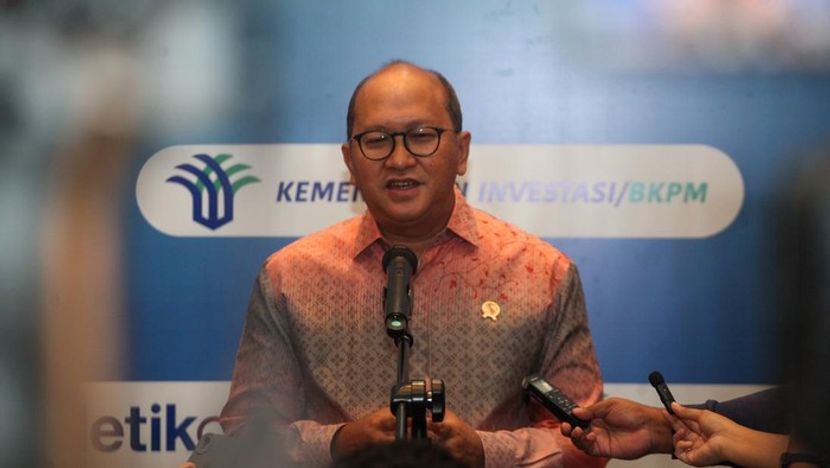
Indonesia Reduces Industry Sectors Closed to Foreign Investment from Over a Hundred to Five
Indonesia's Minister of Investment and Downstreaming, among others, stated that investment is key to economic growth, and the government prioritizes increasing high-quality investment flows. President Prabowo targets 8% economic growth. Currently, Indonesia's economic growth is driven by domestic consumption (contributing 53-54%), investment (around 24-35%), government expenditure (about 8%-9%), and imports/exports (each about 2%), and the country is increasingly open to foreign investment, with the negative list of industries greatly reduced. The Chairman of the National Economic Council, Luhut, said that despite global challenges, Indonesia's economy still grew 5.2% last year, with optimistic expectations of reaching 6% in 2024, and will also
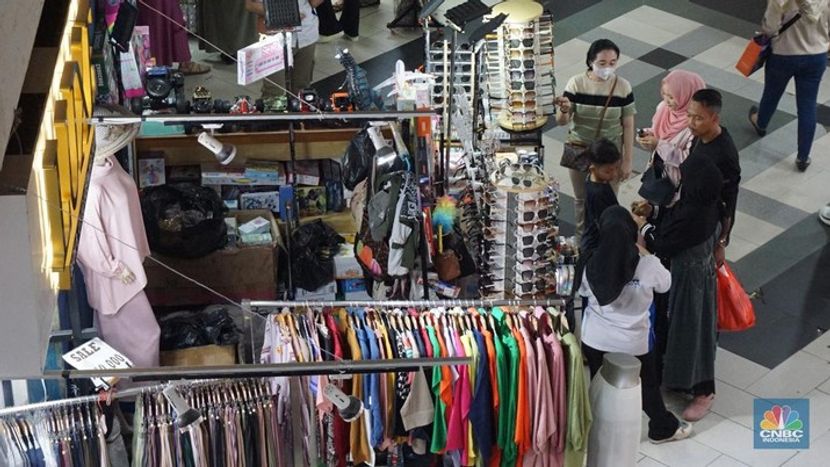
Indonesian Local Textile Industry Complains Imported Goods Impacting the Indonesian Market
The General Chairman of the Association of Counterflow Entrepreneurs stated that over the past two years, a large number of imported goods have flooded in, causing 60% of small and medium-sized enterprise members to cease operations and 50% to struggle to survive. Due to the low prices of imported goods, suspected to be illegal imports, local enterprises find it difficult to compete and have laid off workers and closed factories. He hopes to secure a larger market for textile SMEs domestically, believing that Indonesia has strong purchasing power and low inflation. If the local market controls at least 70%, SMEs will progress. The Chairman of the Indonesian Fiber and Filament Producers Association urged the government to pay attention to the wholesale/incubation import model, such as distinguishing between red and green channel imports at ports, pointing out that the government has relaxed imports, such as issuing trade regulations
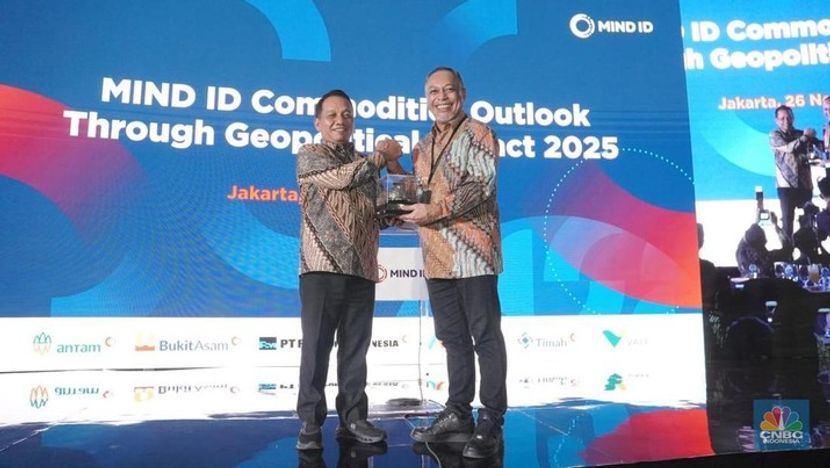
Indonesia's 267 trillion rupiah mineral downstream investment requires 5 gigawatts of electricity
Mining holding company MIND ID plans to invest 267 trillion rupiah to support downstream projects of its four members until 2029, a budget that has been planned for some time. The product director stated that the projects require a large amount of energy, with at least 5 gigawatts of electricity needed by 2029. However, this demand is not included in PLN's power supply plan, so the company will have to build its own power plants, not to mention supporting needs such as roads and housing. Taking the bauxite downstream project in West Kalimantan as an example, although production is limited, it has already boosted local per capita GDP to double digits, benefiting restaurants, boarding houses, etc., and can drive regional economic growth in the future. If entirely borne by the company, the burden would be too heavy, requiring cooperation from all parties to support President Prabowo's downstream plan. Currently, the government wants to strengthen downstream development but lacks electricity, making the provision of primary energy a top priority for industrial planning.