
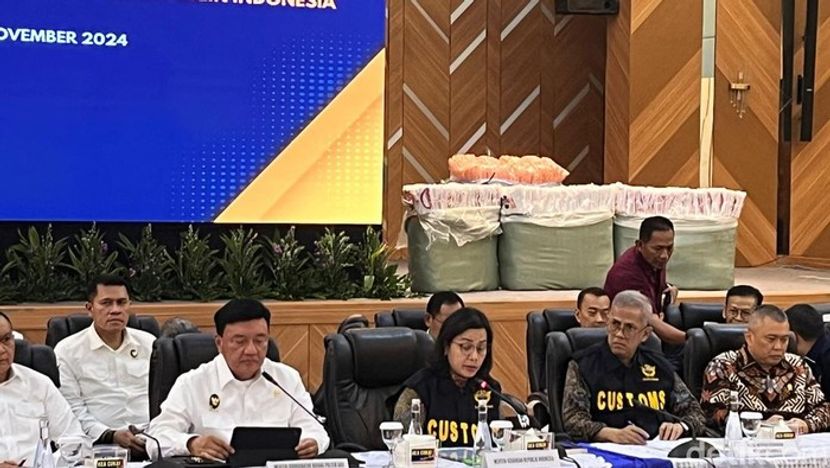
Indonesian Government Cracks Down on 490 Billion IDR Worth of Illegal Imported Goods in One Week
The Minister of Finance revealed that in cooperation with the Coordinating Minister for Political and Security Affairs, they cracked down on the smuggling of illegal imported goods worth 490 billion Indonesian Rupiah within a week. The operation was carried out through collaboration with the Directorate General of Customs and Excise, the National Police, the Attorney General's Office, the Indonesian National Armed Forces, and related ministries and institutions (K/L). The operation, conducted from November 4 to November 11, 2024, has cracked down on 283 smuggling cases involving various commodities.
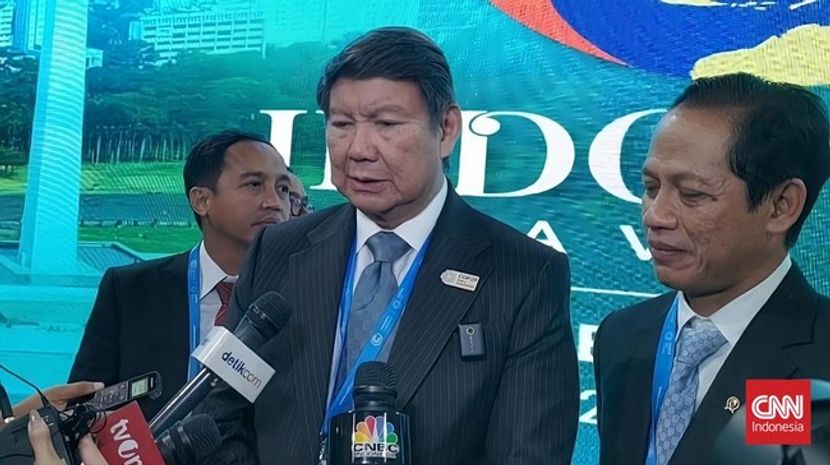
Indonesia's Nuclear Power Plant Plan to be Located in Western Regions

iPhone 16 Sales Blocked in Indonesia Due to Failure to Meet Local Content Requirements
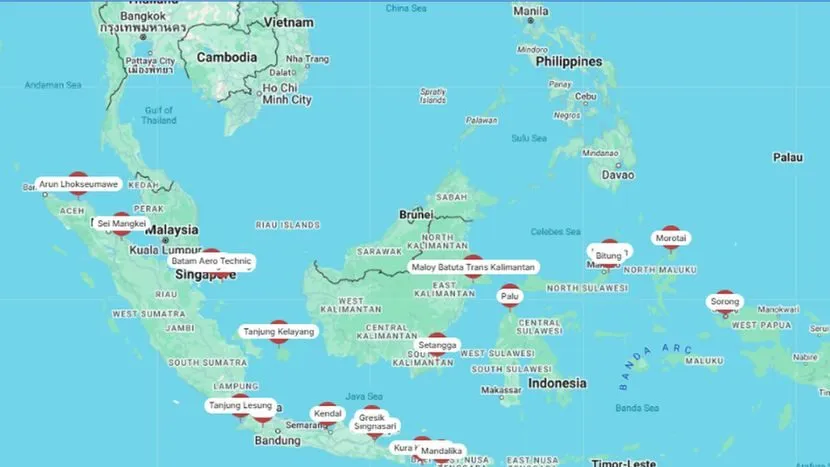
Complete List of Indonesia's 20 Special Economic Zones (SEZs)
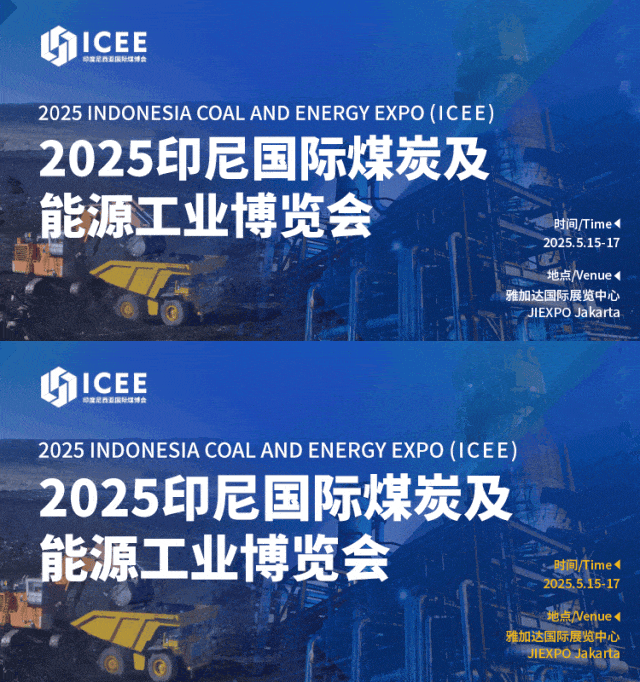
Indonesia International Coal & Energy Industry Expo to Be Held in May 2025 at Jakarta International Expo
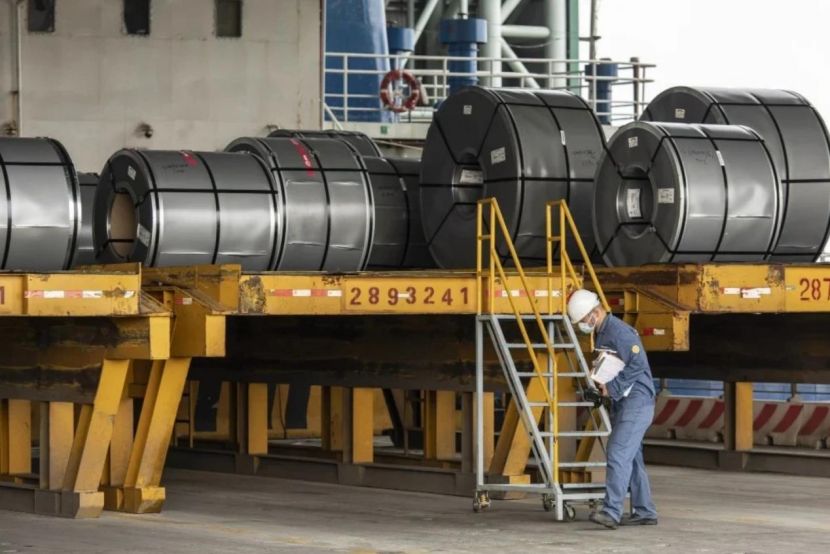
Indonesia Extends Anti-Dumping Duties to Mitigate Impact of Chinese Steel Imports
The Indonesian government has protected the steel industry with anti-dumping import duties (BMAD) for over a decade. Recently, the government extended BMAD on H-beams to I-beams made of iron or non-alloy steel for another 5 years, with a duty rate of 11.93%. Previous regulations had been adjusted multiple times, restricting imports from many regions. Over the past 10 years, the Indonesian Anti-Dumping Committee has conducted several investigations into Chinese steel imports. It recently completed an investigation into hot-rolled steel plates originating from China, finding evidence of dumping by China, Ukraine, and Singapore. Steel imports from these three countries surged 23.9% in the last three years, while imports from other countries also increased by 56.1%. The influx of Chinese steel has intensified competition for local steel enterprises, leading to reduced sales. Import volumes from China rose significantly in 2023-2024, threatening the survival of local steel companies, which urgently need policy support.

Indonesia's Core Tax System to Be Implemented Next Year
Indonesia's core tax administration system will officially launch in January 2025. According to the Director General of Taxes at the Ministry of Finance, the system is expected to gradually increase the tax rate from approximately 10% to 12% over the next five years, aiming to drive better economic growth. Currently, the Directorate General of Taxes is fully promoting socialization and education efforts, having trained over 50,000 large-transaction taxpayers. It has also opened the core tax simulator to other taxpayers, provided related books and video guides on its official website, and conducted system usage training for tax officers to make them community trainers. Through these preliminary efforts, the goal is to ensure smooth coordination among all parties when the system goes live, avoiding gaps in understanding and operation.
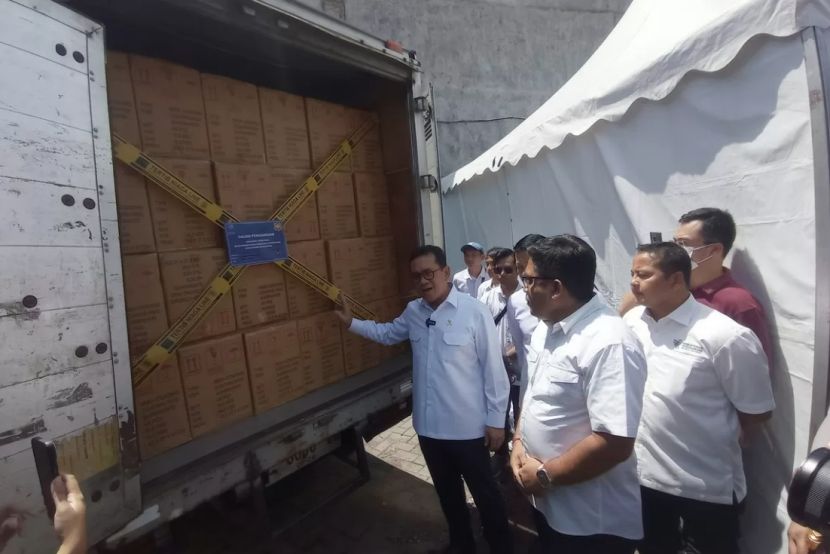
Indonesian Government Seizes 9.8 Billion Rupiah in Illegally Imported Chinese Ceramic Goods
Indonesian police, in collaboration with the Ministry of Trade, confiscated illegal ceramics and tableware worth 9.8 billion Indonesian rupiah. These goods from China were seized at Tanjung Priok Port and a warehouse in Surabaya due to incomplete import documents, such as Business Identification Numbers and inspection reports, failure to follow proper procedures, and lack of Indonesian National Standard labels and valid import permits, potentially harming consumer interests and national rights. The operation stemmed from findings by the police criminal investigation unit at the Surabaya container terminal, who, together with port, customs, and Ministry of Trade monitoring agencies, conducted inspections and confiscated the goods. The owner of the goods is PT SGD based in Medan. Indonesian authorities will continue to crack down on such illegal goods to maintain market order and protect national and consumer safety.
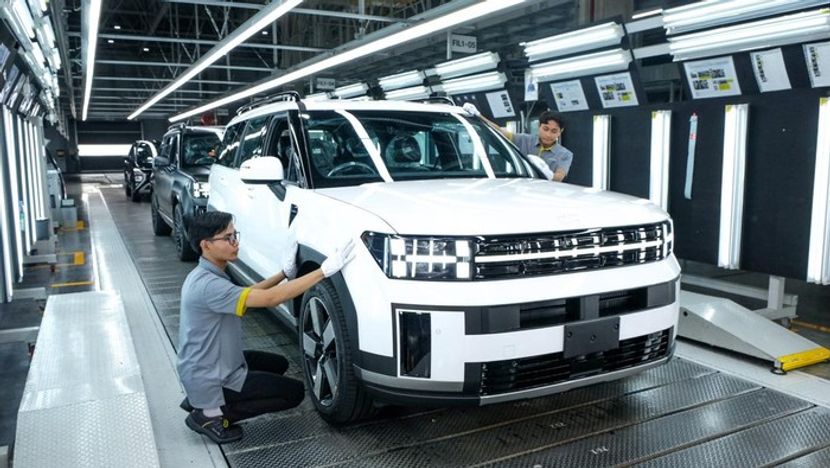
Two Factors Driving Growth in Indonesia's Automotive Market
In 2024, Indonesia's automotive market faces numerous challenges. Despite a constant influx of new brands, the market has stagnated or even contracted, failing to break the million-unit mark for years. This year, Gaikindo's target is only 850,000 units. Manufacturers like Hyundai Motor are under pressure. The Chief Marketing Officer of PT Hyundai Motors Indonesia stated that macro factors such as rising interest rates and global uncertainties have cooled the market, and consumer credit for car purchases also carries risks. Slow per capita income growth is another reason for stagnant sales. Looking back, sales peaked at 1.22 million units in 2013, with LCGC cars once driving market growth. Recent wholesale sales data shows market fluctuations, and without government collaboration with manufacturers on new products and supporting policies, the market could face even greater difficulties.
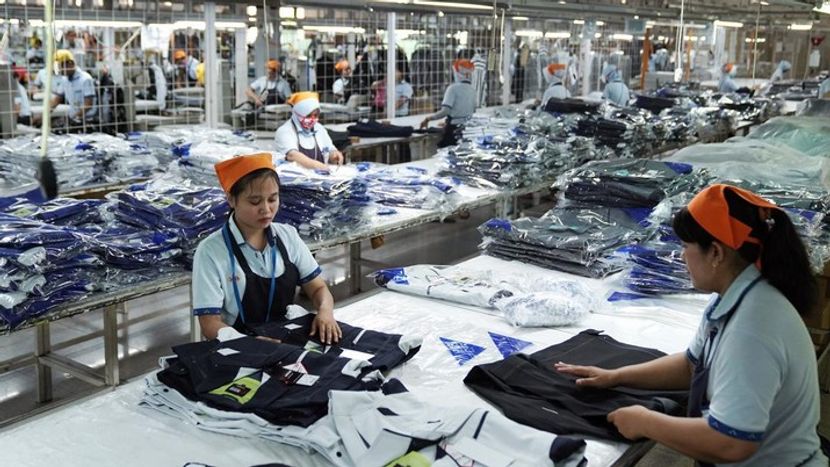
Indonesia's Ministry of Industry accuses Trade Ministry regulations of harming manufacturing
The Ministry of Industry once again criticized trade regulatory regulations for hitting Indonesia's manufacturing sector, with the October 2024 manufacturing PMI contracting to 49.2, marking four consecutive months of contraction. The Ministry of Industry questioned the regulation's claim to protect domestic industries, as it removed relevant requirements for finished goods imports, opening the door wide for imports. Of the 518 commodity groups, 88.42% are finished goods that can be produced domestically. The Ministry of Industry stated that the regulation has led to the market being flooded with imported goods, which is one of the reasons for the manufacturing downturn, and policies from other ministries also affect manufacturing. The Ministry of Industry hopes for coordination among parties, such as implementing safeguard import duties on garments, but
Indonesia battery factory to supply Chinese auto brands
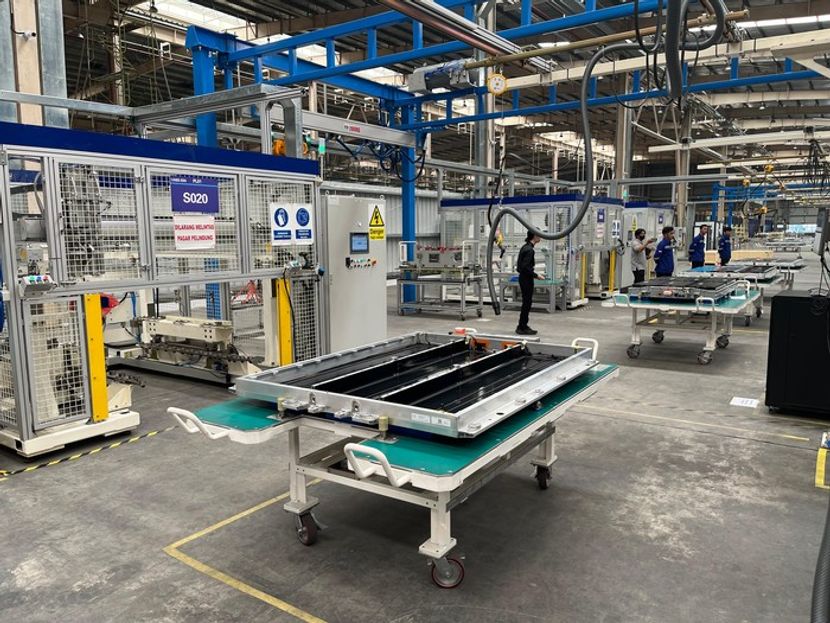
SAIC Motor and CATL join hands with Kentjana Group to build a battery packaging factory in Indonesia. The factory has an annual production capacity of 20,000 battery packs, operated by PT UABS Indonesia, with SAIC-CATL holding 67% and Kentjana Group holding 33%. Initially producing batteries for SAIC's MG brand, the investment is approximately IDR 100 billion, covering an area of 5,000 square meters. Components and modules will first be imported from China and then packaged. CATL is a globally leading battery brand, and SAIC has a rich product lineup. MG Indonesia will be the first to use the factory's batteries in 2024.
CATL invests $1.2 billion to build a factory in Indonesia
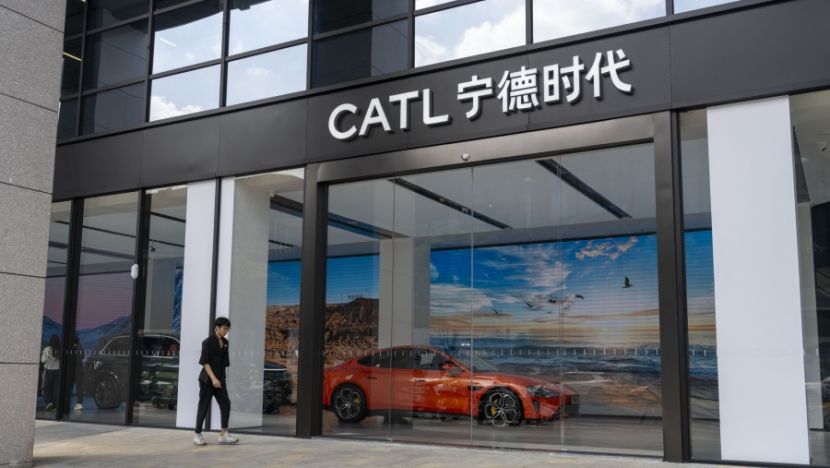
Chinese battery manufacturer Contemporary Amperex Technology Co., Limited (CATL) is investing $1.2 billion (approximately IDR 18.66 trillion) in Indonesia. CATL, through its subsidiary CBL International Development, has established a partnership with PT Indonesia Battery Corporation (IBC) and formed a joint venture to produce batteries for the Southeast Asian market. The project is located in Karawang, West Java, continuing the ambition to become a global electric vehicle hub. Battery