
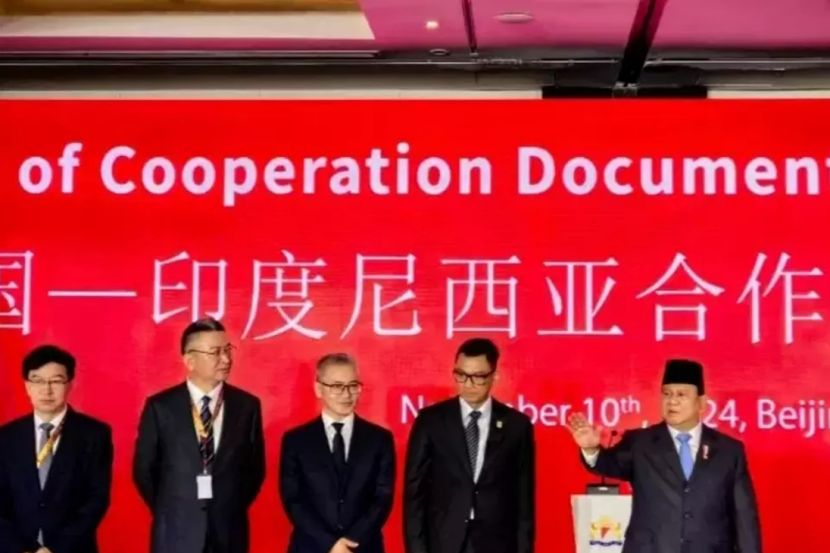
Prabowo Witnesses Huawei Supporting Indonesia's Renewable Energy Development
Indonesia's state electricity company PLN signed a Memorandum of Understanding (MoU) with two Chinese companies, Huawei and SDIC Power. The signing took place during President Prabowo's recent visit to China. The MoU aims to help Indonesia achieve energy self-sufficiency and promote the country's transition to renewable energy. During the signing ceremony, Prabowo stated that Indonesia and China have built a strong partnership in the energy sector, and Indonesia also seeks to achieve energy self-sufficiency through cooperation with other countries, including China. President Prabowo said that this cooperation opens a new chapter in Indonesia-China economic relations,
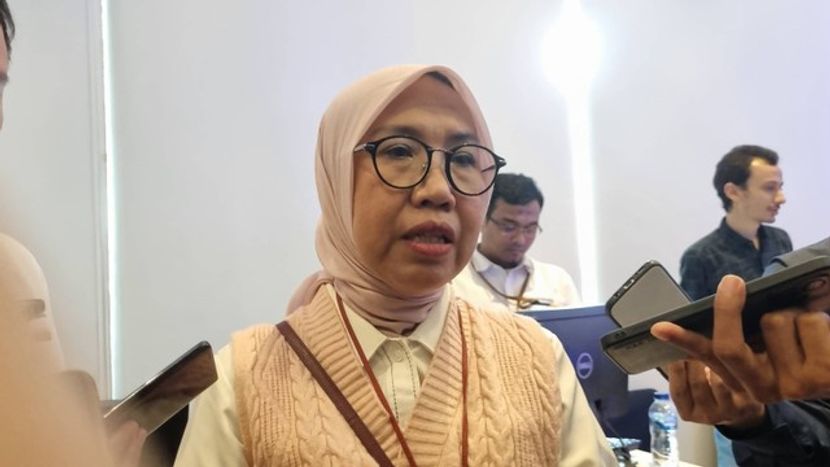
Indonesia's VAT Rate to Increase to 12% by Next Year at the Latest
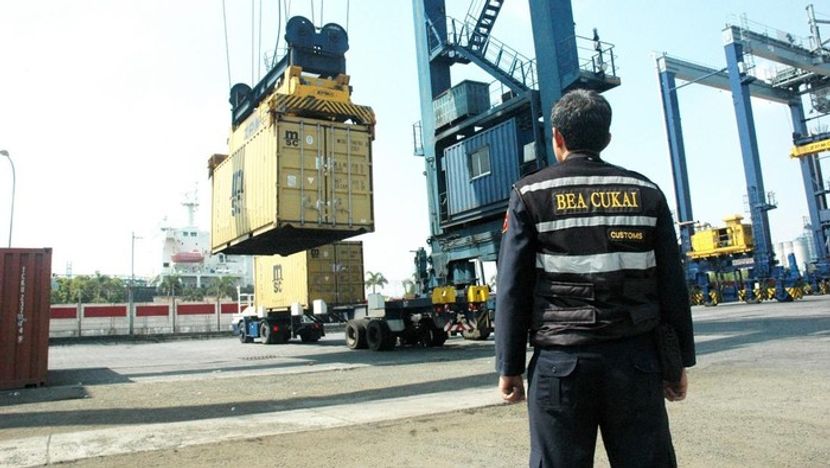
List of Items Exempted from Import Duties or VAT in Indonesia Starting Next Year

Indonesia Plans to Block IMEI Numbers of iPhone 16
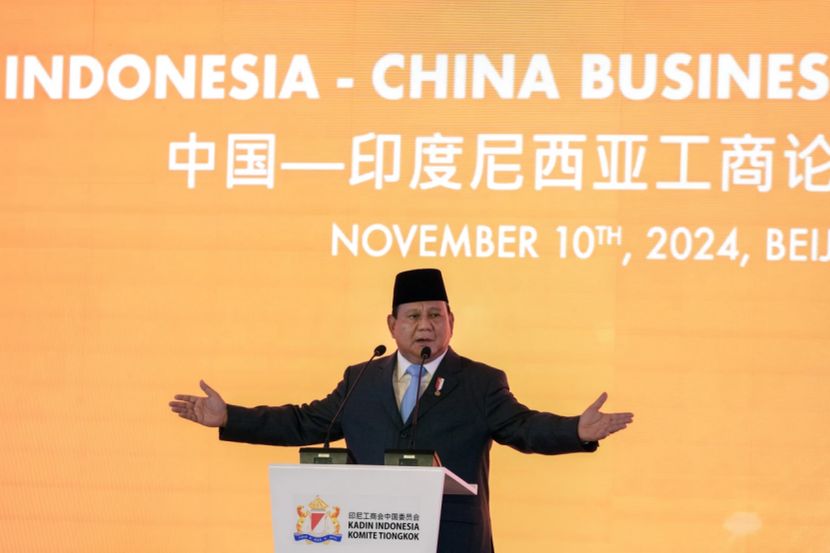
China-Indonesia Business Forum Held in Beijing
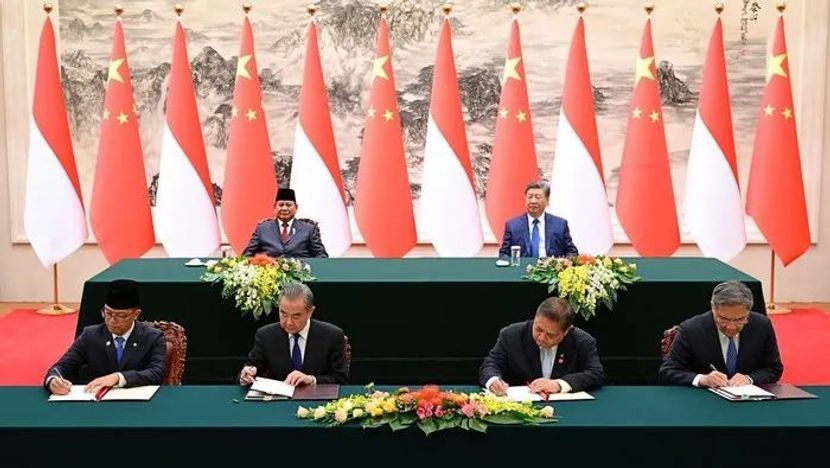
China and Indonesia Sign Seven Cooperation Agreements
President Prabowo, together with the Chinese national leadership, witnessed the signing of seven cooperation agreements between Indonesia and China. According to the Presidential Secretariat, the signing ceremony for the cooperation agreements was held in a room at the Great Hall of the People on Saturday (November 9, 2024). The cooperation agreements were signed by relevant ministers from both Indonesia and China. The Indonesian officials who signed included the Coordinating Minister for Economic Affairs, Minister of Foreign Affairs, Minister of Energy and Mineral Resources, and Minister of Marine Affairs and Fisheries. The cooperation agreements signed between Indonesia and China include the Protocol on Phytosanitary Requirements for the Export of Fresh Coconut Fruit from Indonesia to China, Technical Work Guidelines for Promoting Sustainable Capture Fisheries, Mutual Understanding Memorandum on Strengthening Blue Economy Cooperation, Memorandum of Understanding on Mineral Resource Cooperation, Mutual Understanding Memorandum on Green Mineral Cooperation, Mutual Understanding Memorandum on Water Sector Cooperation, and Mutual Understanding Memorandum on Conformity Assessment Cooperation. Some of these agreements reflect a comprehensive approach to strengthening Indonesia-China relations in various fields. The agreements also reflect the commitment of both countries to continue enhancing bilateral cooperation between Indonesia and China.
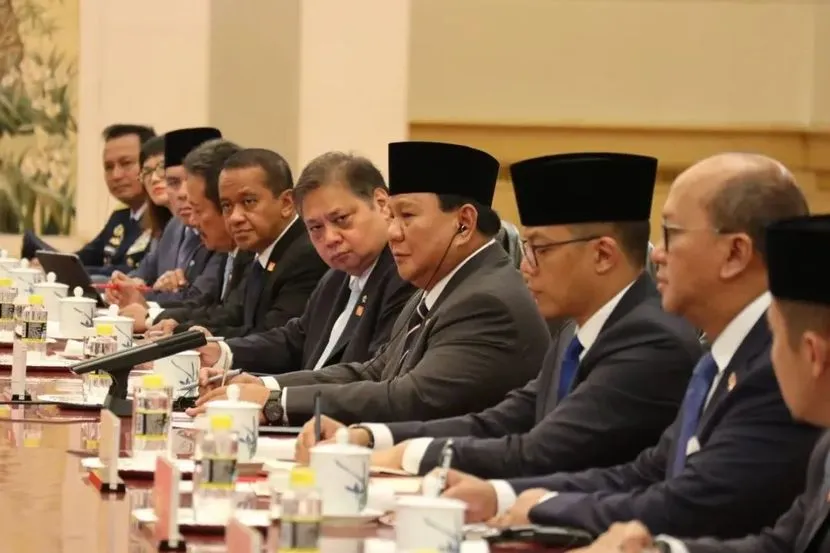
Prabowo's Visit to China to Sign $10 Billion in Contracts
President Prabowo stated that several Indonesian companies will sign contracts worth over $10 billion with Chinese companies. Tomorrow afternoon, the Indonesian Chamber of Commerce and Industry will hold an event where Chinese and Indonesian companies will sign contracts in the scientific field worth over $10 billion. He made this statement during a bilateral meeting with the Chinese Premier at the Great Hall of the People in Beijing on Saturday, as part of his state visit to China, in addition to meeting with the national leadership and the Chairman of the Standing Committee of the National People's Congress (NPC). He thanked the Premier for his statement that they need to take practical measures, and he believes progress in practical steps has been very rapid. Chinese companies currently have very significant investments in Indonesia, reflecting cooperation and showing that Chinese companies are increasingly partnering with Indonesian companies for the benefit of both nations. Furthermore, Indonesia and China will celebrate the 75th anniversary of diplomatic relations in 2025. Next year, when both sides celebrate the 75th anniversary of diplomatic relations, he wants to convey to all parties that cooperation in all fields will increase substantially.
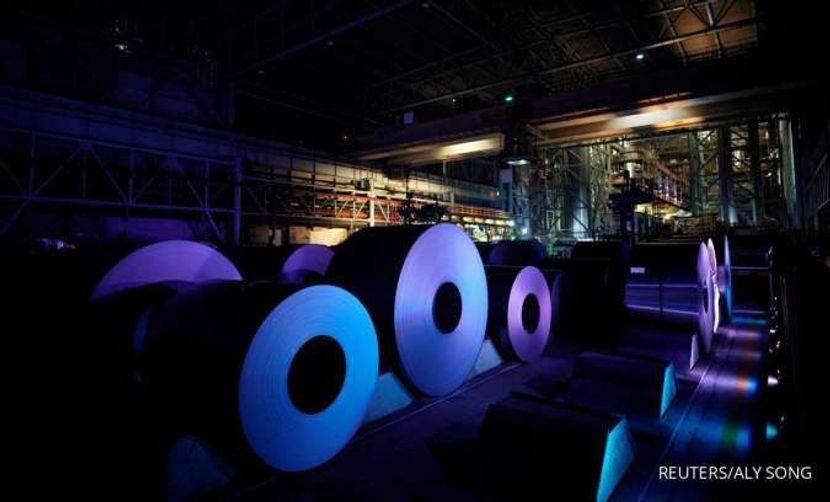
Indonesian Industry Calls for Protection of Steel Sector from Chinese Imports
Recently, the domestic steel industry has been overshadowed by news of massive steel imports from China. Therefore, the industry hopes the government can protect the national steel industry from suffering the same fate as the textile industry, which was severely hit by the invasion of imported products. The head of the Industry, Trade, and Investment Center at the Institute for Development of Economics and Finance (Indef) assessed that the decline in China's steel industry performance indeed provides an opportunity for the country to expand exports to various nations, including Indonesia, at very cheap prices or through dumping practices. Due to oversupply, they naturally export production directly abroad, and Indonesia is a market with penetration potential. Hence, government protection for domestic steel is urgent; otherwise, Indonesia's steel industry could collapse due to the impact of imported steel. Other countries have also adopted protective measures for their domestic steel industries. The US, EU, and Canada have imposed anti-dumping duties (BMAD) and high tariffs on Chinese steel products. Many countries have provided various trade remedies, while Indonesia's protective measures remain minimal. He hopes the Indonesian government will take similar actions, such as safeguard measures or implementing BMAD, to protect the domestic steel industry. The government can also promote other certifications. If large-scale steel imports are allowed, it will not only bankrupt the domestic steel industry but also threaten massive layoffs. Other sectors will also be affected, such as steel distributors and related industries, creating a significant domino effect. Production can grow positively, encouraging investors to enter this field.
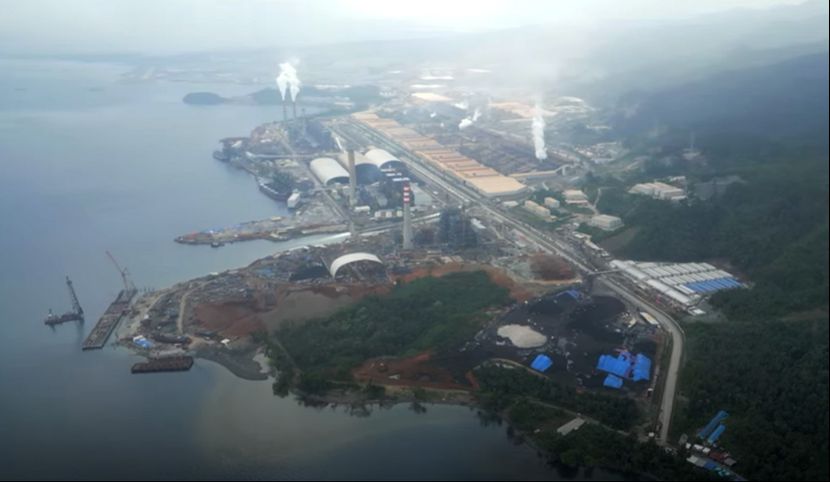
Indonesia to Ban Export of Copper and Tin Raw Materials Starting Next Year
To strengthen downstream industry development, the Ministry of Industry (Kemenperin) continues to enhance downstream optimization and improve the competitiveness of the national copper and tin industry. Furthermore, the copper and tin industries play an important role in supporting downstream industries such as automotive, electronics, electrical equipment, and renewable energy. To this end, effective January 1, 2025, the export of copper concentrate and anode slime will be officially banned. The Director of Metal, Machinery, Transportation Equipment, and Electronics Industry (ILMATE) at the Ministry of Industry stated that this decision is to continue encouraging further downstream industry development. Meanwhile, on the other hand, tin is still widely exported in the form of raw metal.
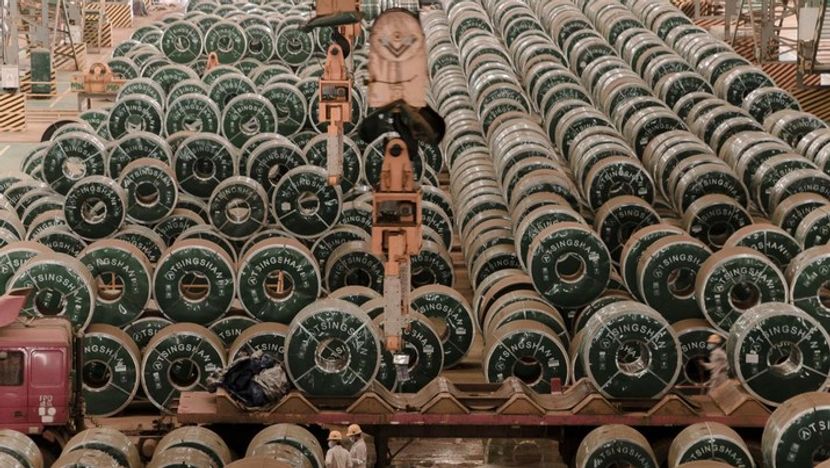
China-Indonesia Cooperation to Establish Electric Vehicle Battery Production Enterprise
PT Industri Battery Indonesia, or Industry Battery Corporation (IBC), a state-owned investment holding company operating in the renewable energy materials sector, is cooperating with CBL International Development Pte Ltd, a business unit of CATL, the world's largest electric vehicle (EV) battery company. The cooperation is carried out through the establishment of a joint venture (JV) to produce batteries. In this cooperation
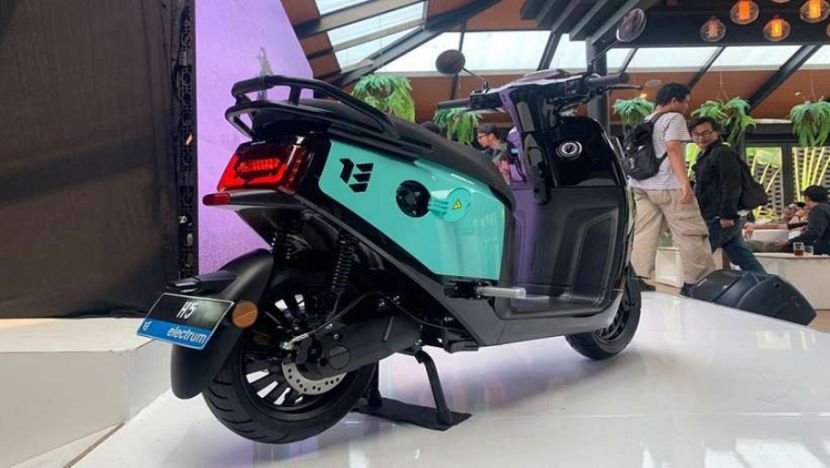
Indonesia Plans to Export Electric Motorcycles to Southeast Asia and Africa
The Indonesian Electric Motorcycle Industry Association (Aismoli) is optimistic that the export potential of battery-powered motorcycles will continue to grow. Indonesian electric motorcycle exports have entered Southeast Asian countries such as Malaysia and Cambodia. The association outlined last week the national electric motorcycle industry's plan to seize export opportunities, targeting other Southeast Asian countries, Thailand, and the African market, with continued expansion into African nations. They have agreed on the industry's presence, and now it has started flowing to Malaysia and Cambodia, followed by other potential markets, namely Thailand, Vietnam, and then Africa.
Huayou Cobalt Deepens $5 Billion Investment in Indonesia's Nickel Industry
On October 18, 2024, the feeding ceremony for Huayou Cobalt's battery ternary precursor project factory was successfully held at the Weda Bay Industrial Park in Indonesia. Since 2018, Huayou Cobalt has accumulated nearly $5 billion in investments in Indonesia. So why does Huayou Cobalt choose to bet on Indonesia and deeply cultivate the new energy battery materials industry there? Let Manager Wang explain in detail: First, Huayou Cobalt was founded in 2002 by Zhejiang businessman Chen Xuehua, headquartered in Tongxiang, Zhejiang. It is a high-tech enterprise engaged in the R&D and manufacturing of new energy lithium battery materials and cobalt new materials, and ranks among China's top 500 enterprises.